Fragile Playthings: The Hidden Costs of Buying Breakable Toys for Toddlers
Introduction: A Familiar Scene
Every parent has witnessed it: the joyful moment when a toddler receives a shiny new toy, only to have it shatter into pieces within twenty-four hours. The tiny hands that were so eager to hold the toy become the very instruments of its destruction. Crashing, dropping, throwing, and stomping – these are not acts of malice but natural expressions of a developing mind exploring cause and effect. Yet many well-meaning adults continue to purchase toys that break easily for toddlers, often without considering the deeper consequences. This article explores the multifaceted problems associated with such purchases, from safety hazards and financial waste to developmental setbacks, and offers thoughtful alternatives for caregivers who want to nurture both their children and their budgets.
The Illusion of Affordability
At first glance, cheap, fragile toys seem like a practical choice. A two-dollar plastic car or a flimsy wind-up duck appears to be a low-risk investment. If it breaks, the loss is minimal. But this logic ignores the cumulative cost of repeatedly replacing broken items. A parent who buys five fragile toys at three dollars each over the course of a month has spent fifteen dollars – the same amount as one well-made, durable toy that could withstand months of vigorous play. Worse, disposable toys often need to be replaced more frequently than their sturdier counterparts, leading to a cycle of constant purchasing. This "penny wise, pound foolish" approach quietly drains household budgets while filling trash bins with shattered pieces.
Moreover, the cheapness of a toy often correlates with its quality of materials. Many breakable toys are made from thin, brittle plastics that splinter into sharp edges when cracked. A toddler who steps on or falls onto a broken piece can sustain painful cuts that require medical attention. Small parts can detach and become choking hazards. Paint can chip and be ingested. Thus, the illusion of saving money dissolves the moment a child is harmed – a hospital visit costs far more than any premium toy. Financial prudence, in this case, is not about avoiding expensive toys but about avoiding repeated cheap failures.
The Developmental Disconnect
Toddlers are not miniature adults; they are learning through their bodies. Their play is sensory, motor, and exploratory. They throw objects to understand gravity, bang them to hear sounds, and bite them to investigate texture. A toy that breaks on the first impact teaches a frustrating lesson: the world is fragile, and my actions are dangerous. Rather than encouraging experimentation, breakable toys punish natural curiosity. This can discourage a child from active engagement, leading to hesitant or overly cautious play. On the other hand, a durable toy that survives a series of drops and tosses provides positive reinforcement for exploration. It says, "Keep testing, keep learning." The physical robustness of a toy directly influences the cognitive and emotional safety of play.
Furthermore, fragile toys often have limited functionality. They may have flashing lights or a single sound effect, but they cannot be taken apart, stacked, or repurposed. When they break, the interaction ends abruptly. In contrast, sturdy, open-ended toys like wooden blocks, silicone stacking cups, or cloth balls allow endless variations. A toddler can knock down a block tower and rebuild it, developing spatial reasoning and problem-solving skills. Breaking a toy, however, terminates the learning sequence prematurely. The child learns that objects are unreliable, which can translate into a sense of powerlessness. Over time, this may reduce a child's willingness to engage deeply with any object, for fear that it will fall apart. That is a silent but significant developmental cost.
The Emotional Fallout of Broken Toys
For a toddler, a favorite toy is not just an object; it is a companion, a source of comfort, and an extension of self. When that toy breaks easily, the child experiences genuine grief and frustration. Adults may dismiss the issue as trivial – "It's just a toy, we'll get you a new one" – but for a young child, the loss is real. Repeated experiences of beloved items disintegrating can foster a sense of insecurity. The child may become overly attached to remaining possessions or, conversely, stop forming attachments altogether, anticipating disappointment. This is not to say that every broken toy causes trauma, but a pattern of buying fragile toys sends a message that objects are disposable. In a world increasingly concerned with sustainability, teaching toddlers that broken things are simply thrown away rather than repaired or replaced is a missed opportunity for values education.
Emotional resilience actually develops when children learn to cope with loss, but a constant stream of easily broken toys provides too many losses and too few recoveries. A better approach is to choose toys that are robust enough to survive the energetic love of a toddler. When a toy eventually wears out after months of heavy use, the child can participate in its retirement – discussing recycling, repurposing, or even repairing it together. This process builds patience, responsibility, and a sense of accomplishment. Fragile toys rob children of these growth opportunities because they fail so quickly and so often that there is no time for meaningful attachment.
Environmental and Ethical Considerations
The environmental impact of buying toys that break easily for toddlers is staggering. Most such toys are made from low-grade plastic, which is derived from petroleum and treated with various chemical additives. Their short lifespan means they end up in landfills within weeks of purchase. Globally, millions of tons of broken toy plastic are discarded each year, where they slowly degrade into microplastics that contaminate soil and water. The carbon footprint of manufacturing, packaging, shipping, and disposing of these items is entirely disproportionate to their pitifully brief usefulness. In an era of climate crisis, purchasing a toy that will last for exactly four days is an act of environmental negligence disguised as frugality.
Ethically, the production of cheap, fragile toys often relies on exploitative labor practices and poor working conditions in low-income countries. The low price is made possible by cutting corners on material quality, worker wages, and safety inspections. By buying such toys, consumers inadvertently support a system that prioritizes profit over people and planet. On the contrary, durable toys – even those that cost more upfront – are frequently manufactured under better labor standards and with more sustainable materials, such as FSC-certified wood, organic cotton, or food-grade silicone. Choosing sturdier options is not just a personal parenting choice; it is a vote for a more ethical toy industry.
Better Alternatives: What to Buy Instead
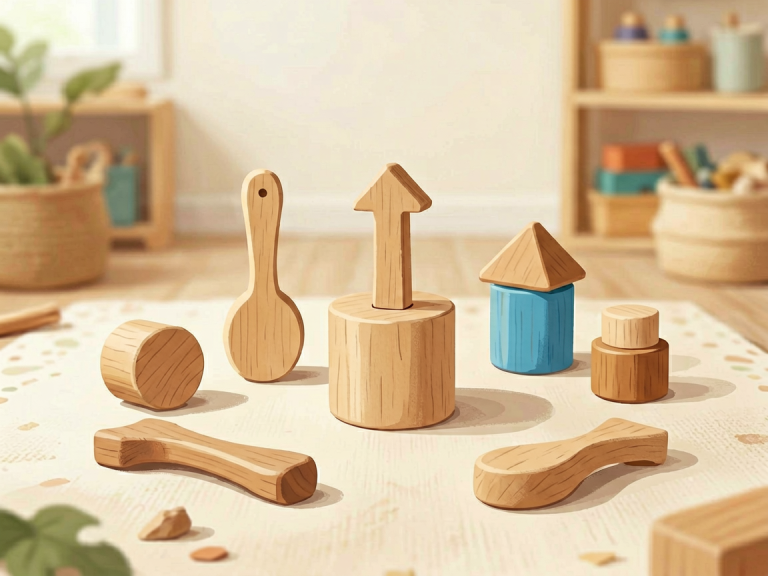
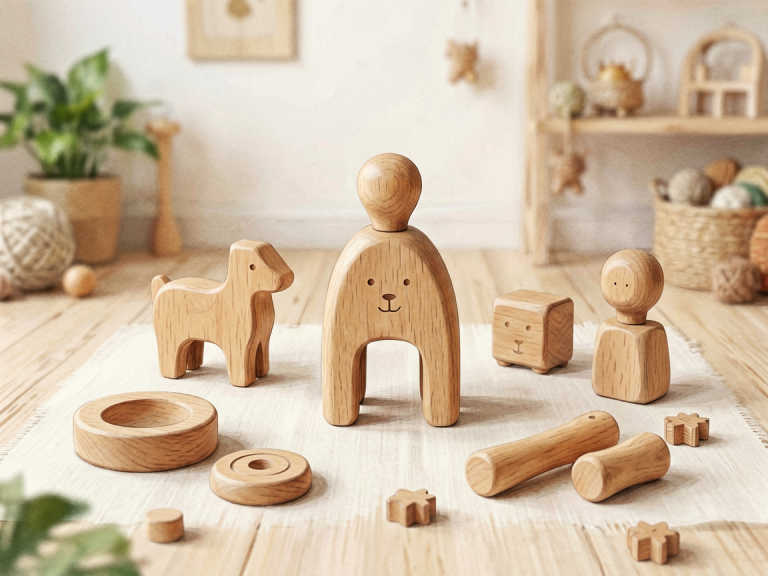
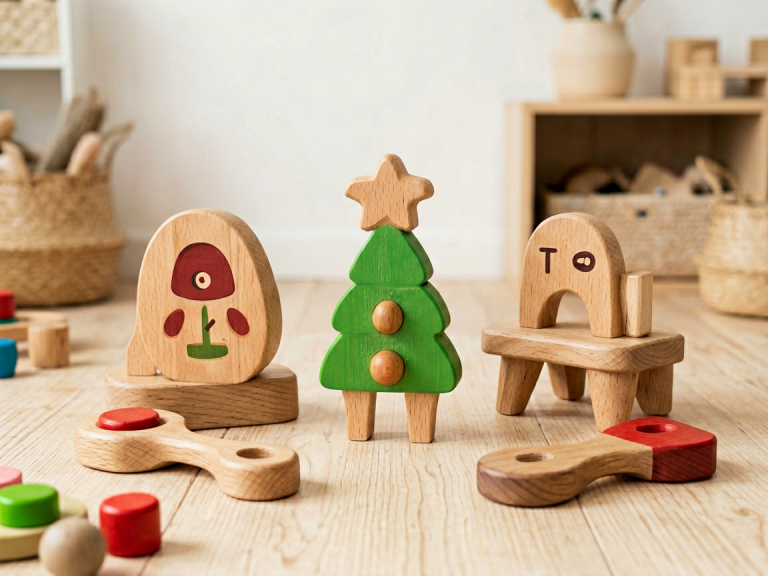
So what should a conscious parent or gift-giver purchase? The golden rule is to choose toys that are age-appropriate, simple, and made to last. For toddlers, the best toys are those that stimulate multiple senses and allow open-ended play. Consider solid hardwood blocks, which have been beloved for generations because they are nearly indestructible and can be used for building, counting, and imaginary play. Likewise, silicone nesting cups are soft, dishwasher-safe, and practically unbreakable, making them ideal for bath time and stacking. Sturdy cardboard or cloth books survive chewing and rough handling far better than paper pages. Push-and-pull toys with thick wheels and reinforced axles provide locomotion practice without snapping on the first collision.
Another excellent category is artisanal or classic toys manufactured by companies that guarantee durability. Many European and North American brands offer five- or ten-year warranties on their products, a testament to their confidence. While these toys may cost two or three times more, they can be passed down to younger siblings or even donated for reuse. The cost-per-play-hour of a sixty-dollar wooden train set that lasts for five years is minuscule compared to a five-dollar plastic train that shatters in a week. When calculating value, consider not just the price tag but the total lifespan and the quality of play experiences provided.
Additionally, parents can foster resilience in children by involving them in basic toy maintenance. Teaching a three-year-old to gently wipe down a wooden toy or to pick up pieces and store them correctly instills a sense of ownership and care. A durable toy becomes a trusted friend that the child learns to respect. This relationship between child and object is far more meaningful than the fleeting novelty of a cheap gewgaw that breaks immediately.
Conclusion: Choose Lasting Joy
The impulse to buy toys that break easily for toddlers is understandable, driven by cost concerns, convenience, and the sheer allure of colorful packaging. But this practice is fraught with hidden dangers – physical, psychological, environmental, and ethical. It undermines a child's natural desire to explore, teaches wasteful habits, and ultimately costs more money and tears than it saves. Instead, caregivers can embrace a philosophy of "fewer, better." By investing in durable, safe, and developmentally rich toys, we give our toddlers not just objects, but opportunities for joyful, enduring discovery. Let us choose toys that can withstand a toddler's love – because a broken toy is not a lesson in thrift, but a failure of our own foresight. And in those robust blocks and sturdy cups, we cultivate not only stronger playthings, but stronger children.