The Essential Guide to Following Toy Trends for 6-Month-Olds
The first six months of life are a whirlwind of rapid neurological and physical development. By the time a baby reaches the half-year mark, they are typically sitting with support, reaching for objects with purpose, turning their heads toward sounds, and beginning to explore the world through their mouths and hands. For parents, caregivers, and gift-givers, choosing the right toy at this stage is not merely about entertainment—it is about supporting foundational cognitive, sensory, and motor skills. Following toy trends for six-month-olds requires a blend of developmental science, safety considerations, and an awareness of the latest innovations in early childhood products. This article delves into the key trends shaping the toy market for this age group, offering a comprehensive guide to making informed choices that delight babies and reassure adults.
Sensory Exploration and Natural Materials
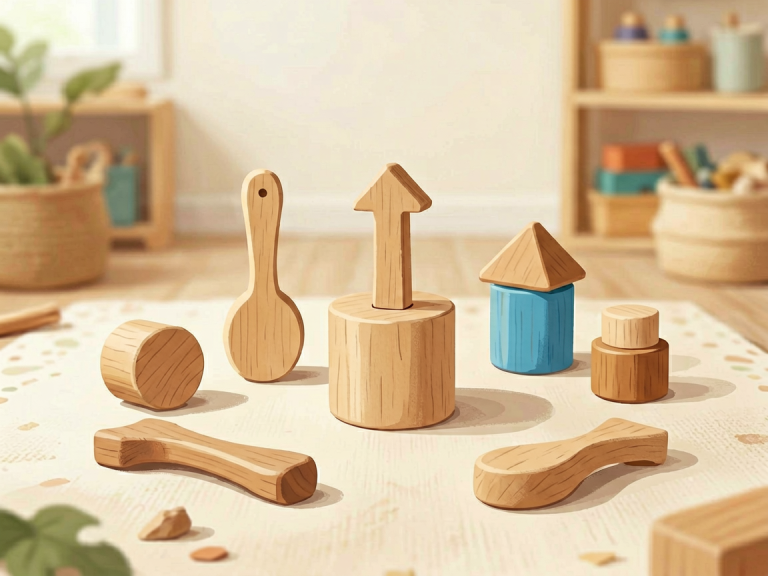
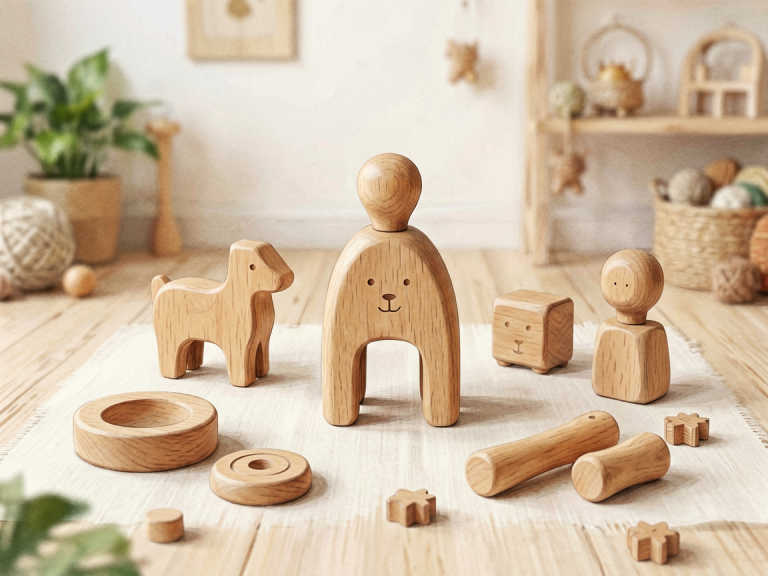
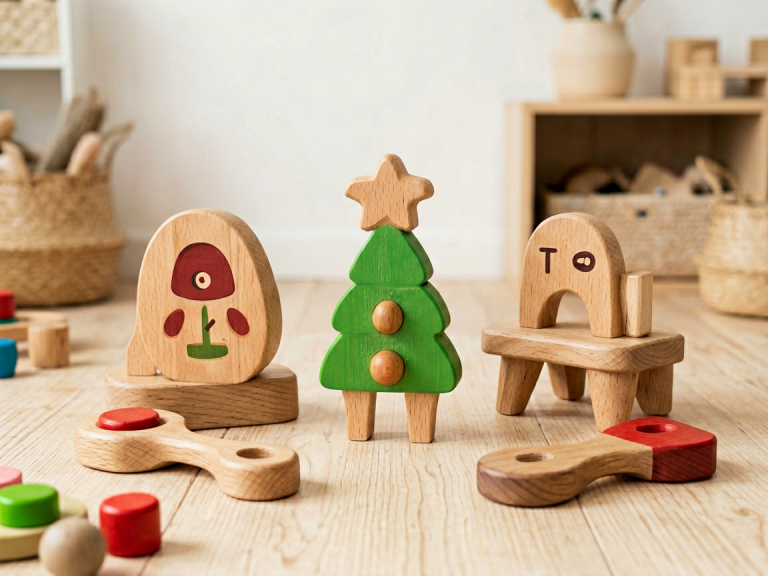
One of the most prominent trends in toys for six-month-olds is a shift toward sensory-rich experiences crafted from natural, non-toxic materials. At six months, babies are sensory sponges. They crave textures that vary—silky, bumpy, crinkly, ridged—and they are drawn to high-contrast patterns, gentle sounds, and subtle scents. Modern parents are increasingly moving away from plastic-heavy, battery-operated gadgets and toward toys made of organic cotton, untreated wood, natural rubber, and food-grade silicone.
For example, wooden rattles with smooth, unpainted surfaces allow babies to feel the grain of the wood, while silicone teethers in shapes of leaves or animals provide safe, chewable relief for emerging teeth. Companies now prioritize eco-friendly dyes and water-based finishes, ensuring that even when a baby mouths a toy—as they inevitably will—no harmful chemicals leach in. Additionally, sensory books with crinkly pages, felt flaps, and mirror inserts are gaining popularity because they engage multiple senses simultaneously. The trend reflects a broader cultural move toward minimalism and sustainability: parents want fewer toys that are of higher quality and that stimulate real-world exploration rather than passive screen-based engagement.
Another sub-trend within sensory play is the use of natural textures like bamboo, cork, and loofah. These materials are not only biodegradable but also offer unique tactile feedback that plastic cannot replicate. Brands are designing stacking cups with cork rings, fabric blocks with linen covers, and rolling balls with knobby rubber surfaces. The underlying principle is that a six-month-old’s brain forms neural connections through diverse sensory input, and natural materials provide a richer, more variable palette than uniform plastics.
Montessori-Inspired and Open-Ended Play
The Montessori philosophy, which emphasizes child-led, purposeful play with simple, beautifully designed materials, has deeply influenced toy trends for the youngest infants. For a six-month-old, the key Montessori principles involve toys that isolate a single skill and allow the baby to discover cause-and-effect independently. Instead of a busy, flashing electronic toy that does everything for the baby, Montessori-inspired toys encourage the infant to be the active agent.
A classic example is the grasping ring or interlocking disc. Made from smooth hardwood and often painted in a single primary color, these rings are just challenging enough for a six-month-old to hold, transfer from one hand to the other, and eventually bang together. Another popular item is the rolling bell or rattle ball—a transparent sphere with a small bell inside that moves when the baby pushes it. The baby learns that their own action (pushing) creates a sound, fostering an early understanding of causality.
Open-ended toys are those that can be used in multiple ways as the baby grows. For instance, a set of soft, stackable cups can serve as teethers, nesting toys, and eventually tools for water play or architectural stacking. The trend toward open-ended play aligns with research showing that simple toys encourage longer attention spans and deeper problem-solving skills. Parents are increasingly seeking toys that will “grow” with their child, lasting from the six-month stage through toddlerhood, rather than being discarded after a few weeks. This also supports a more sustainable consumption pattern—a win for both development and the planet.
Milestone-Focused Toys for Motor Development
Between six and nine months, a baby’s gross and fine motor skills undergo dramatic transformations. They learn to roll over both ways, sit unsupported for brief periods, bear weight on their legs, and eventually begin to pivot on their tummy or even scoot. Toys designed specifically to support these milestones have become a major category in the infant market.
One standout trend is the use of activity gyms and play mats that incorporate adjustable features. Modern activity gyms are no longer just a mat with dangling toys. They now include soft mirrors at baby’s eye level, crinkle patches, detachable toys that can be clipped to a stroller, and even low, stable supports that encourage pulling up (when the baby is developmentally ready). The trend emphasizes that the mat itself should be engaging from a belly-down position, as tummy time is crucial for neck and shoulder strength.
Another milestone-focused toy is the push-and-pull walker designed for early sitting and standing practice. While traditional walkers (the rolling kind that babies sit inside) have been discouraged due to safety concerns, stationary activity centers and floor-based push toys are on the rise. For a six-month-old who is just beginning to bear weight on their legs, a sturdy, non-moving “toddler tower” with a wide base and multiple textures at different heights can be both safe and stimulating.
Fine motor development is also addressed by toys that promote pincer grasp and hand-eye coordination. Stacking rings, simple wooden puzzles with large knobs, and textured balls that are easy to grip all support the muscles needed for later writing and self-feeding. The trend is to introduce these toys earlier than previous generations did, but with careful supervision and age-appropriate complexity. Manufacturers are also improving the design of teethers to double as fine-motor tools: for example, a teether shaped like a chain of beads encourages the baby to manipulate each segment individually.
Tech-Free and Interactive Simplicity
In a world saturated with screens and digital devices, a growing counter-trend among parents of infants is the deliberate choice of tech-free, analog toys. For six-month-olds, the American Academy of Pediatrics recommends zero screen time except for video calls with family. While there are some “smart” toys that connect to apps or play recorded songs, the prevailing trend in 2025 is to return to simple interactive toys that rely on the baby’s own actions and the caregiver’s involvement.
Cause-and-effect toys that require no batteries are seeing a renaissance. A classic example is the pop-up toy with buttons that make characters spring up when pressed, or a simple push-button that activates a bell. These toys teach the same lessons as electronic equivalents—cause and effect—but without the overstimulation of flashing lights and pre-recorded sounds. Babies respond more naturally to the unpredictable jingle of a bell they ring themselves than to a digitized melody they cannot control.
Interactive simplicity also extends to toys that encourage social interaction between parent and baby. For instance, a simple silk scarf can be used for peek-a-boo, or a small hand puppet can animate a story. These activities build language skills and emotional bonding far more effectively than any app. The trend is supported by a wave of parenting influencers who advocate for “slow parenting” and mindful play, emphasizing that the best toy is often the one that requires a parent’s lap, voice, and smile.
Moreover, soft, musical instruments like wooden shakers, mini drums, and rainmakers are preferred over electronic music players. The irregular, organic rhythms of a shaken maraca or a tapped drum help babies discern patterns in sound, laying a foundation for future musical appreciation. Because these instruments are hand-held and require motor effort, they also strengthen the baby’s grip and arm muscles.
Safety, Sustainability, and Ethical Manufacturing
No discussion of toy trends for six-month-olds would be complete without addressing the paramountcy of safety and the growing demand for sustainability and ethical production. At six months, babies explore primarily by mouthing, so every toy must be free of small parts, sharp edges, toxic paints, and choking hazards. The trend toward cleaner manufacturing has pushed many toy companies to obtain certifications such as ASTM F963 (US), EN71 (Europe), or the Greenguard Gold seal for low chemical emissions.
Simultaneously, parents are becoming more conscious of the environmental and social impact of their purchases. Eco-friendly toy subscriptions have emerged, where families receive a curated box of age-appropriate toys every few months, often made from recycled or biodegradable materials. Brands are also adopting take-back programs where old toys can be returned for recycling or donation.
Another important aspect of ethical manufacturing is fair labor practices and transparency. Parents now research whether the wooden toys they buy are sourced from sustainably managed forests, whether the labor involved is fairly compensated, and whether the company supports community initiatives. For example, some toy lines partner with women’s cooperatives in developing countries to handcraft organic cotton dolls or felted play mats, creating economic opportunities while providing infants with unique, handmade items.
The safety trend also includes phasing out certain materials. Many high-end toy makers have eliminated PVC, phthalates, BPA, and lead entirely. Water-based paints and glues are now standard. In addition, inflatable toys and foam play mats are being scrutinized for formaldehyde and flame retardants. Parents are encouraged to look for toys labeled “free of VOCs” (volatile organic compounds) when purchasing items for the nursery or play area. The cumulative effect of these trends is a marketplace where quality is prized over quantity, and trust in a brand is built on rigorous testing and ethical sourcing.
Conclusion
Following toy trends for six-month-olds is more than a shopping exercise—it is an investment in a baby’s developmental journey. The current landscape favors toys that are sensory-rich, natural, Montessori-aligned, milestone-focused, tech-free, and ethically manufactured. These trends reflect a deeper understanding of how infants learn: through active exploration, repetitive practice, and meaningful human interaction. As you curate a toy collection for a six-month-old, remember that less is often more. A few well-chosen objects—a wooden grasping ring, a crinkly cloth book, a silicone teether—can provide endless opportunities for discovery. By staying attuned to these trends, you ensure that every toy you choose supports the baby’s growing brain, body, and spirit, while also respecting the planet and the people who make them. In the end, the best trend to follow is the one that encourages joyful, safe, and connected play—the kind that a baby will remember not with words, but with delight.