LEGO Style Bricks for 6-Month-Olds: A Comprehensive Evaluation of Worth and Safety
Introduction
The arrival of a six-month-old infant marks a period of rapid cognitive, sensory, and motor development. Parents and gift-givers naturally seek toys that can stimulate these budding abilities while ensuring absolute safety. Among the most iconic playthings in the modern world are LEGO style bricks—colorful, interlocking plastic blocks that have entertained children and adults for decades. However, the question of whether such bricks are appropriate for a baby who cannot yet sit unsupported, grasp objects with precision, or understand the concept of cause and effect is far from straightforward. This article examines the developmental readiness of a six-month-old, the inherent safety risks of small parts, the potential benefits if any, and the best alternative toys for this age group. By the end, you will have a clear, evidence-based answer to the question: Are LEGO style bricks worth it for 6-month-olds?
Developmental Milestones at Six Months: What Toys Actually Support?
At six months, a baby is typically in the midst of several critical developmental leaps. Most infants can roll over in both directions, sit with some support, and begin to transfer objects from one hand to another. Their vision has improved to near-adult levels, and they are drawn to bright colors, high-contrast patterns, and faces. Hand-eye coordination is emerging, but their grip is still a palmar grasp—they use their whole hand to hold objects, rather than the pincer grip that develops closer to nine or ten months. Importantly, babies at this age explore the world primarily through their mouths. Mouthing is a natural and essential way for them to learn about texture, shape, and taste. They also enjoy shaking, banging, and dropping objects to observe cause and effect.
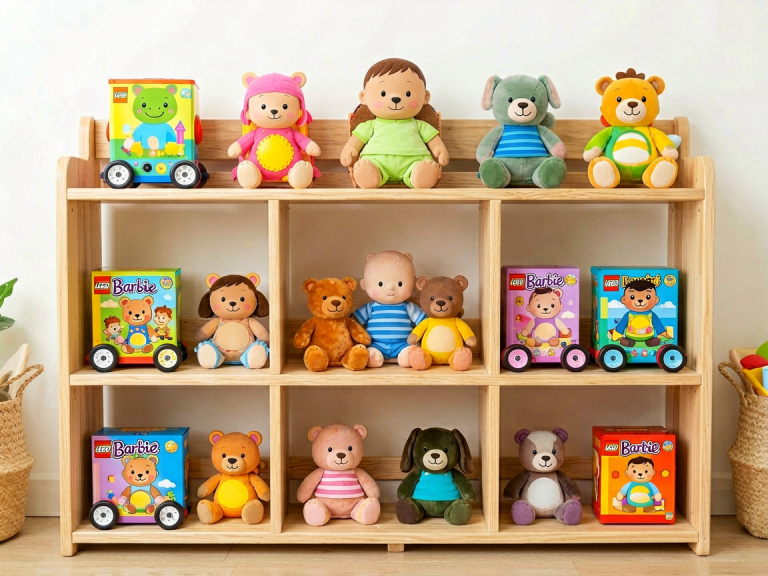
Given these milestones, the ideal toy for a six-month-old should be: large enough to prevent swallowing, soft or smooth to avoid injury, easy to grasp with a whole-hand grip, washable, and free of small detachable parts. Traditional LEGO bricks, even the larger DUPLO series, present several mismatches with these requirements. While DUPLO bricks are much bigger than standard LEGO pieces—approximately twice the size in each dimension—they are still small enough to pose a choking hazard if a determined baby manages to fit one into their mouth. Moreover, the hard plastic edges can be uncomfortable for teething gums, and the bricks do not naturally inspire the kind of sensory exploration that a six-month-old craves, such as crinkling, squeaking, or varied textures. The ability to snap bricks together requires fine motor control and force that a six-month-old simply does not possess; attempting to do so would only lead to frustration.
Safety Concerns with Small Parts: Beyond Choking
The most obvious danger of giving LEGO style bricks to a six-month-old is choking. According to the American Academy of Pediatrics, choking hazards are defined as any object that can fit inside a cylinder with a diameter of 1.25 inches (about 3.2 cm). Standard LEGO bricks are smaller than this threshold, but even DUPLO bricks measure roughly 1.5 by 1.9 by 1.3 inches—larger, but still small enough that a baby with a strong suck could potentially wedge one into their airway. Furthermore, a six-month-old’s swallowing reflex is not fully coordinated, and they lack the ability to cough effectively. The risk is not theoretical; emergency rooms regularly treat infants who have ingested toy pieces.
Beyond choking, there is the issue of sharp corners and hard surfaces. A baby who is learning to sit may topple over, and landing on a scattered pile of hard plastic bricks can cause painful bruises or even cuts if the brick has a rough edge. Additionally, many inexpensive imitation LEGO bricks contain chemicals like phthalates or BPA, which are regulated in genuine LEGO products but may be present in knockoffs. Babies mouth everything, so any toxic substance on the surface can be ingested. Even if you buy authentic LEGO, the manufacturer explicitly states that DUPLO sets are recommended for ages 1.5 years and up. For six-month-olds, the official advice is clear: no LEGO bricks.
Are There Any Benefits? The Case for Delayed Introduction
Proponents of early exposure to building blocks sometimes argue that handling bricks can promote sensory stimulation and early spatial awareness. However, these potential benefits are outweighed by the developmental reality that a six-month-old cannot yet build. The cognitive skills associated with construction—planning, stacking, balancing, and creative assembly—do not typically emerge until around 12 to 18 months. At six months, a baby might enjoy holding a single large, smooth block and mouthing it, but that same experience can be provided by a dedicated teething toy, a silicone block, or a fabric cube. The interlocking mechanism is wasted on an infant who lacks the fine motor control to align and press the pieces.
Moreover, introducing toys that are too advanced can lead to frustration and even discourage exploratory play. A baby who repeatedly fails to snap bricks together may lose interest in the toy altogether, missing out on more appropriate learning opportunities. There is also a risk that parents, eager to stimulate their child’s development, will hover and direct play, thereby reducing the infant’s opportunity for autonomous, self-directed exploration. For these reasons, most child development experts recommend waiting until at least 12 to 18 months before introducing any form of construction blocks—and even then, starting with very large, soft, or sensory blocks rather than classic hard plastic.
Alternative Toys That Are Worth It for a Six-Month-Old
Given that LEGO style bricks are not recommended for six-month-olds, what alternatives provide excellent developmental value without compromising safety? The following categories of toys are ideal:
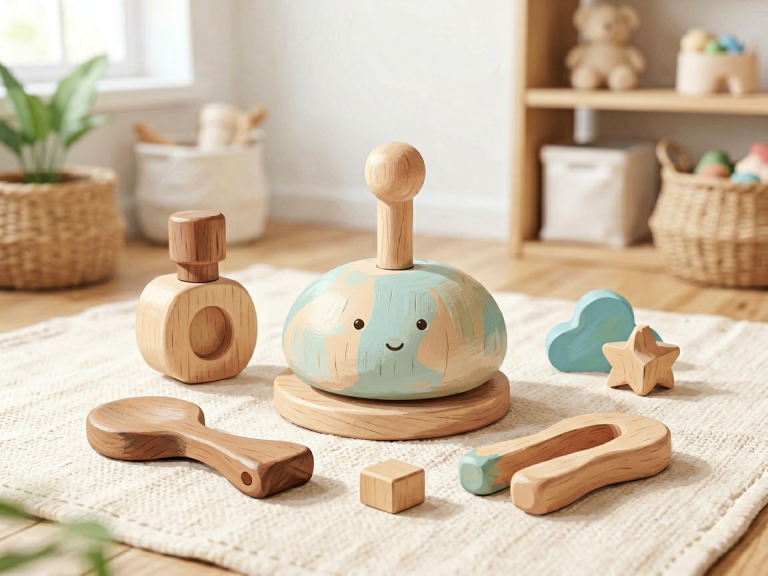
- Sensory and Teething Toys: Items made of food-grade silicone, natural rubber, or soft fabric offer varying textures, sounds, and resistance. Examples include teething rings with bumps, crinkle cloth blocks, and rubber grasping toys. These are safe to mouth, easy to clean, and help soothe sore gums.
- Rattles and Shakers: A simple rattle that a six-month-old can grasp and shake helps develop auditory discrimination and hand-eye coordination. Look for rattles with easy-to-hold handles and no detachable parts.
- Activity Gyms and Play Mats: Overhead arches with dangling toys encourage reaching, batting, and visual tracking. Soft mirrors, high-contrast patterns, and attached teethers on mats provide rich sensory input.
- Soft Blocks and Fabric Stackers: Large, lightweight fabric blocks that are filled with crinkle paper or bells allow the baby to practice grasping, dropping, and even knocking down a stack made by a parent. They pose no choking risk and can be washed.
- Cause-and-Effect Toys: Simple pop-up toys, nesting cups, and containers that open and close (with supervision) introduce basic concepts of object permanence and cause and effect. A six-month-old loves dropping a cup to watch it hit the floor.
- Board Books: Cloth or thick cardboard books with bright images, simple patterns, and textures engage a baby’s visual and tactile senses. Reading together also fosters language development and bonding.
All of these alternatives are specifically designed for the six-month-old’s developmental stage—they are large, safe, and stimulating in ways that reflect how babies actually learn. They also encourage parent-child interaction, which is far more valuable than any single toy.
Conclusion and Final Recommendations
After thoroughly examining the developmental needs, safety risks, and potential benefits, the answer is clear: LEGO style bricks are not worth it for six-month-olds. The choking hazard alone is sufficient reason to avoid them, and the lack of age-appropriate play value means that even supervised use offers little benefit. A six-month-old’s brain is wired to explore through mouthing, squeezing, and simple manipulation—activities that hard, interlocking bricks do not support. Instead, parents should invest in toys that are soft, large, sensorial, and tailored to the infant’s emerging motor skills.
Does this mean LEGO style bricks will never be a good purchase? Absolutely not. Starting at around 12 to 18 months, DUPLO bricks can become a wonderful tool for developing fine motor skills, creativity, and spatial reasoning. But for a half-year-old, patience is key. Resist the urge to introduce toys that are “advanced” in the belief that they will accelerate development. In reality, the best gift you can give a six-month-old is a safe environment filled with age-appropriate objects that invite exploration, accompanied by a loving caregiver who responds to their cues. Save the LEGO bricks for the toddler years, and choose the teether, the soft block, and the rattle today. Your baby’s development—and your peace of mind—will thank you.