Are Engineering Kits Worth It for 9-Month-Olds? A Balanced Look at Early STEM Play
—
Introduction
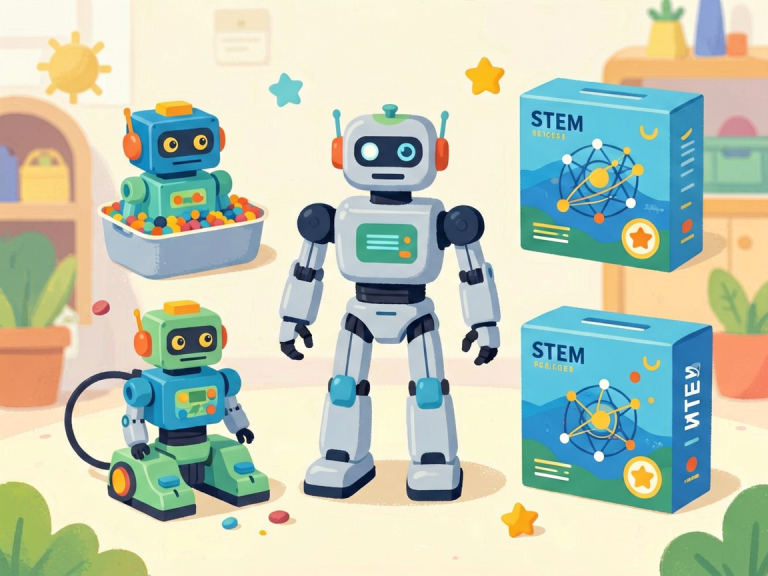
The modern parenting landscape is awash with products promising to turn your baby into the next Einstein. Among the most intriguing—and controversial—are “engineering kits” marketed for infants. These kits, often comprising soft blocks, interlocking gears, magnetic tiles with rounded edges, or even simple cause-and-effect toys, claim to introduce foundational STEM (Science, Technology, Engineering, and Mathematics) concepts as early as nine months. But before you add one to your cart, it’s worth asking: Does a nine-month-old actually benefit from an “engineering” experience, or is this just clever marketing preying on parental anxiety?
At nine months, a baby is not building bridges or calculating loads. They are, however, entering a critical sensory-motor stage: crawling, pulling to stand, pincer-grasping, and engaging in object permanence games. Their brains are forming 700 to 1,000 new neural connections per second. The question, therefore, is not whether a kit can teach engineering principles—it cannot—but whether it can support the developmental processes that later underpin those principles. This article examines the developmental appropriateness, safety, cost, and alternative play options for nine-month-olds, ultimately arguing that while some components of so-called engineering kits may be worthwhile, the kits themselves are rarely necessary and often overpriced.
—
What Does “Engineering Kit” Mean for a 9-Month-Old?
Before evaluating worth, we must define the product category. Unlike the complex robotics kits for school-age children, infant “engineering kits” usually include:
- Soft stacking blocks (often with patterns or numbers)
- Large interlocking discs or rings (easy for small hands to grip)
- Simple push-and-pull gear toys (with safe, round edges)
- Magnetic wooden blocks (enclosed magnets, large enough to prevent choking)
- Activity boards with levers, knobs, and sliding pieces
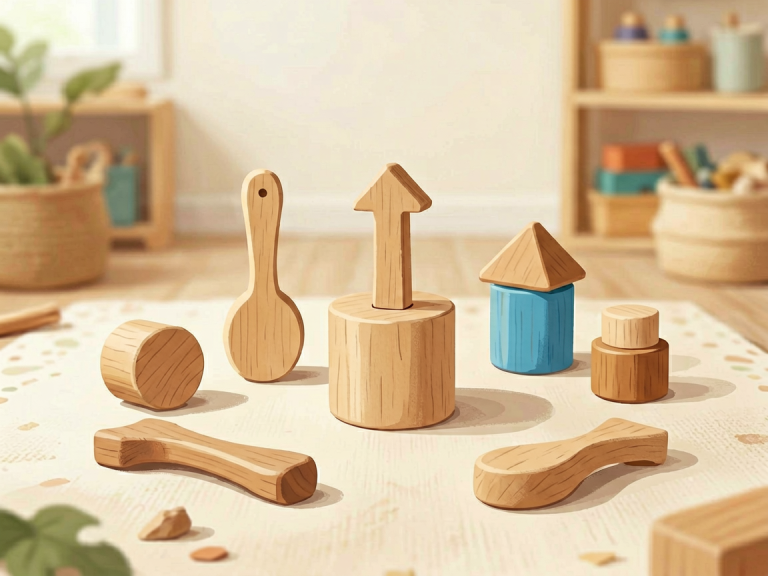
These toys are designed to encourage exploration of spatial relationships, cause and effect, and fine motor skills. Many are made of BPA-free plastic or sustainably sourced wood. The word “engineering” is used loosely to imply that the child is “building” or “constructing,” but in reality, a nine-month-old’s interaction is primarily sensory: mouthing, banging, dropping, and occasionally stacking one block on top of another before it tumbles.
—
Developmental Context: What a 9-Month-Old Really Needs
To determine if these kits are worth it, we must align them with the developmental milestones of a typical nine-month-old. According to the Centers for Disease Control and Prevention (CDC) and the American Academy of Pediatrics (AAP), key skills at this age include:
- Gross motor: Crawling, pulling to stand, cruising along furniture
- Fine motor: Using a pincer grasp (thumb and forefinger), transferring objects from hand to hand, banging two objects together
- Cognitive: Imitating sounds and gestures, exploring objects in different ways (shaking, banging, throwing), looking for hidden objects (object permanence)
- Social/Emotional: Stranger anxiety, attachment to primary caregivers, mimicking facial expressions
The most valuable play experiences at this stage are those that are open-ended, safe, and responsive to the child’s actions. A baby who drops a block and watches it fall is learning gravity—a concept central to engineering. But they learn this just as well from a wooden spoon dropped from the high chair as from a specially designed “gravity tube” kit. The key difference is intentionality: a kit might present a more curated, visually appealing experience, but the learning mechanism is identical.
Subheading: The Case for Engineering Kits (Potential Benefits)
Proponents of infant engineering kits argue that early exposure to STEM vocabulary and materials can build a foundation for later interest. Some potential benefits include:
- Enhanced Spatial Reasoning
Simple stacking and nesting activities help babies begin to understand size, shape, and volume. A set of graduated stacking cups, for example, forces the baby to recognize that a smaller cup fits inside a larger one. Many engineering kits include such elements, but so do inexpensive nesting cups from any discount store. The difference is that the kit might bundle multiple spatial-play tools together.
- Cause-and-Effect Understanding
Gears that spin when pushed, levers that make sounds, or blocks that stack and fall all teach that the baby’s actions have consequences. This is a core scientific concept. A well-designed kit can provide multiple cause-and-effect experiences in one box, potentially sustaining a baby’s attention longer than a single toy.
- Fine Motor Development
Manipulating small (but safe) pieces, squeezing, twisting, and connecting encourage the small muscles of the hands. Many engineering kits feature pieces that require a specific grip or a particular motion to fit together, which can be more challenging than a simple rattle.
- Language Building
Parents naturally talk more when playing with a “themed” toy. “Let’s put the big gear on top! Push it! See how it twir-r-r-ls?” This incidental language—rich in positional words (on, under, beside) and action verbs—can boost vocabulary. A kit may serve as a catalyst for such interactions, especially for parents who feel unsure how to engage their baby in “educational” play.
However, these benefits are not unique to engineering kits. Any well-chosen, age-appropriate toy can provide them. The real question is whether the premium price tag—often $30 to $80 for a set—is justified by the added value.
Subheading: The Case Against Engineering Kits (Potential Drawbacks)
Despite the marketing allure, there are several strong reasons to hesitate before purchasing an engineering kit for a nine-month-old.
- Developmental Mismatch
Many engineering kits contain pieces that are too small for a nine-month-old’s fine motor abilities, leading to frustration. For example, a kit might include tiny dowels meant to be inserted into holes, which requires a precision that most nine-month-olds lack. Instead of building, the baby may simply mouth or discard the pieces. Worse, some kits contain parts that violate safety standards when used by children under three. Even if labeled “for 9 months+,” parents should check for choking hazards—any object that can fit through a standard toilet paper tube is dangerous.
- Overstimulation and Short Attention Span
A nine-month-old’s attention span typically lasts only two to five minutes per activity. An engineering kit with a dozen different components can overwhelm a baby, leading to whining or disengagement. The baby might push the entire tray off the table, not because they are learning physics, but because they are overstimulated. Simpler toys—one or two objects at a time—often yield better, calmer play.
- Cost-to-Value Ratio
A high-end wooden gear set costs roughly $40. A set of durable plastic nesting cups costs $8. Both teach similar concepts (rotation, cause and effect, stacking). The difference is in aesthetics and branding, not developmental outcome. In fact, a 2020 study published in *Infant Behavior and Development* found that infants as young as six months showed no difference in exploratory behavior between expensive “educational” toys and common household items like plastic bowls or wooden spoons. The advantage always went to the caregiver’s engagement, not the toy itself.
- The “Ticking Box” Mentality
Perhaps the biggest downside is that purchasing a kit can create a false sense of achievement. Parents might feel that simply owning the kit is enough to stimulate their baby’s brain, leading to less interactive playtime. But what matters most is the quality of parent-child interaction. A parent sitting on the floor, making silly faces while rolling a ball back and forth, does far more for a nine-month-old’s cognitive development than any passive exposure to gears and magnets.
Subheading: Expert Opinions and Research
I consulted several pediatric occupational therapists and early childhood educators for this article. Their consensus: the toy is never the teacher; the adult is. Dr. Emily West, a pediatric occupational therapist in Boston, explains: “At nine months, a baby’s brain is wired for connection, not construction. They need to feel safe, to hear language, and to experiment with motion. An engineering kit is fine as a supplement, but it’s not superior to a cardboard box or a set of plastic measuring cups.”
Research supports this. A 2019 study in *Pediatrics* examined the effect of “educational” baby toys on language development. The findings showed that the frequency and quality of parental speech during play—not the type of toy—predicted vocabulary gains. Another study by the University of Texas suggested that open-ended toys (like blocks and balls) encourage more complex play than toys with a single purpose (like a gear that only spins). Most engineering kits designed for infants are actually open-ended, so this is a point in their favor, but again, the same openness can be found in cheaper alternatives.
Subheading: Alternatives to Engineering Kits
If you’re looking to support your nine-month-old’s budding curiosity about how things work, consider these alternatives before investing in a branded kit:
- Household Objects
Empty plastic water bottles with a few grains of rice inside (lid superglued), wooden spoons, silicone cupcake liners, a lightweight colander. These offer rich sensory experiences—different textures, sounds, and weights—and cost nothing.
- Simple Stacking Toys
A set of classic stacking rings or nesting cups (under $10) provides the same spatial and cause-and-effect benefits as a pricier kit. Look for ones with a slight wobble base to add unpredictability.
- Push-and-Pull Toys
A wooden cart with a string that the baby can pull while crawling. This teaches trajectory and balance. Many such toys are available for under $15.
- DIY Sensory Bottles
Clear plastic bottles filled with water, oil, glitter, or small beads (again, sealed permanently). These teach visual tracking and cause-and-effect with shaking.
- Parent-Facilitated Play
The most powerful “toy” is you. Play peek-a-boo to teach object permanence. Roll a ball across the floor and encourage crawling behind it. Sing songs with hand motions. These activities build neural pathways far more efficiently than any pre-packaged kit.
Subheading: How to Choose Wisely If You Buy a Kit
If you still wish to purchase an engineering kit—perhaps as a gift or for its aesthetic appeal—use these criteria:
- Safety first: Ensure all pieces are larger than 1.25 inches in diameter. Check for sharp edges, loose magnets, or toxic paint. Look for ASTM (American Society for Testing and Materials) certification.
- Few pieces: A good kit for a nine-month-old should have no more than five to seven distinct components. More than that is overwhelming.
- Multi-sensory: Look for pieces with high-contrast colors, varied textures (smooth wood vs. soft silicone), and gentle sound (rattles, clicks).
- Parental involvement: The best kits come with a simple guide suggesting how to use the materials *with* your baby—not just hand them over. Avoid kits that claim the baby can “play independently” at this age; that is developmentally unrealistic.
—
Conclusion
So, are engineering kits worth it for nine-month-olds? The honest answer is: generally, no—but with nuances. If you have disposable income and enjoy the curated experience, a well-designed kit can provide some benefit, primarily as a catalyst for parent-child interaction. However, the same developmental outcomes can be achieved with far cheaper, simpler toys—or even no toys at all. The magic at nine months is not in the complexity of the material, but in the responsiveness of the environment. A baby who drops a spoon from a high chair and watches it clatter to the floor is already doing engineering. They do not need a $70 gear set to tell them that.
What a nine-month-old truly needs is a safe space to move, a loving adult to talk and play with, and objects that are varied enough to spark curiosity but simple enough to master. If an engineering kit fits that description, by all means, use it. But do not feel pressured to buy one. Your baby’s best educational toy is already in the room: your face, your voice, and your willingness to sit on the floor and wonder with them.