Dolls vs. Plush Toys for Toddlers: A Comparative Analysis of Developmental Benefits and Play Value
—
Introduction
When it comes to selecting the perfect companion for a toddler, parents often find themselves torn between two classic categories: dolls and plush toys. Both have been cherished by children for generations, yet they serve distinct roles in early childhood development. Dolls typically represent human or human-like figures, encouraging imitation and social storytelling, while plush toys—soft, stuffed animals or creatures—offer tactile comfort and emotional security. Understanding the nuanced differences between these two types of toys is crucial for caregivers who wish to support their toddler's cognitive, emotional, and motor skill growth. This article delves into the unique advantages of dolls and plush toys, examines safety considerations, and provides practical guidance to help parents make informed choices. By comparing their impact on role-play, sensory exploration, language acquisition, and attachment formation, we aim to highlight how each toy type can complement a toddler's developmental journey.
—
The Nature of Dolls: Realism, Role-Play, and Social Learning
Dolls, whether baby dolls, fashion dolls, or simple wooden figures, are designed to represent human beings. Their realistic features—eyes, hair, limbs, and sometimes even movable joints—invite toddlers to engage in imaginative role-play that mirrors real-life interactions. A toddler might feed a doll, put it to bed, or scold it for misbehaving, activities that are essentially rehearsals for social and emotional situations. Through these simulations, children learn to understand empathy, nurture, and cause-and-effect relationships. For instance, when a toddler pretends to comfort a crying doll, they are practicing the very behaviors they have observed from caregivers. Moreover, dolls often stimulate language development because children talk to them, narrate stories, and create dialogues. This verbal practice is invaluable for expanding vocabulary and improving sentence structure. Dolls also encourage gender-neutral play opportunities: both boys and girls can benefit from the caregiving scenarios that dolls provide, challenging traditional stereotypes and promoting emotional intelligence.
—
The Appeal of Plush Toys: Comfort, Sensation, and Emotional Security
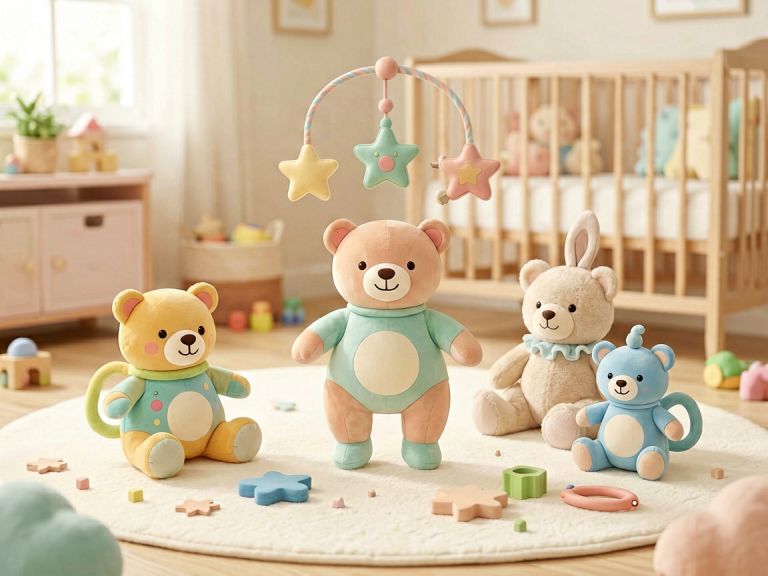
Plush toys, commonly known as stuffed animals or softies, are primarily tactile and comfort-oriented. Their soft textures, huggable shapes, and gentle weight offer a soothing sensory experience that is especially important for toddlers during periods of stress, separation anxiety, or bedtime transitions. Unlike dolls, which may have hard plastic parts or elaborate clothing, plush toys are uniformly soft and safe for cuddling. Many toddlers develop strong attachments to a particular plush toy, using it as a transitional object—a security blanket substitute that helps them feel safe when exploring the world independently. This emotional bond can support healthy attachment formation and self-regulation. From a sensory perspective, plush toys provide varied textures (furry, silky, or nubby) that stimulate tactile exploration, which is critical for neural development in early childhood. Additionally, plush toys often represent animals or fantasy creatures, sparking children's curiosity about nature and storytelling without the pressure of fully human-like interaction. They serve as loyal listeners and silent companions, offering unconditional acceptance that builds a toddler's confidence.
—
Safety Considerations for Toddlers
Safety is paramount when choosing toys for toddlers, and both dolls and plush toys come with potential hazards that require careful evaluation. For dolls, the primary concerns include small removable parts (buttons, shoes, or accessories) that pose choking risks, as well as stiff limbs that could cause injury if swung. Parents should ensure that dolls intended for toddlers under three years old have no detachable pieces, are made of non-toxic materials, and have securely attached eyes and hair. For plush toys, the main risks involve loose stuffing that can be ingested, long fibers that may cause breathing issues, and poorly attached features (like plastic eyes or buttons) that can become detached. Additionally, plush toys must be machine-washable to maintain hygiene, as toddlers often drool, spill food, or drag them through dirt. Both toy types should be free of lead, phthalates, and other harmful chemicals. The American Academy of Pediatrics recommends that all toys for toddlers meet current safety standards (e.g., ASTM F963 in the U.S.) and that parents regularly inspect toys for wear and tear. In summary, while both categories can be safe, diligence is required to choose age-appropriate, well-constructed versions.
—
Cognitive and Language Development: Which Toy Fosters Better Skills?
From a developmental psychology perspective, dolls tend to offer a more structured platform for cognitive and language growth than plush toys. When a toddler engages with a doll, they are prompted to create narratives that involve cause and effect (“If I feed the doll, she won’t be hungry”), sequencing (bathing, dressing, feeding), and problem-solving (“How do I put this shoe on the doll’s foot?”). These activities exercise executive functions such as planning and working memory. Moreover, the human-like features of dolls encourage more complex verbal interactions. A child might ask the doll a question, answer for it, or describe its emotions, all of which foster advanced language use.
Plush toys, on the other hand, are less likely to stimulate elaborate verbal exchange because they are not inherently “doing” anything. However, they excel in promoting receptive language and emotional vocabulary. A toddler may label a plush bear as “happy” or “sad,” or use the toy as a safe audience for practicing sounds and words. While plush toys are not as effective for structured role-play, they provide a low-pressure environment for verbal experimentation. Ultimately, the best cognitive outcomes come from a combination of both: dolls for active storytelling and plush toys for calming, reflective language practice.
—
Motor Skills and Interactive Play
Fine and gross motor development is another area where dolls and plush toys offer distinct benefits. Dolls often require more precise manipulation: buttoning clothes, brushing hair, holding a bottle, or moving limbs into different positions. These actions strengthen hand-eye coordination, finger dexterity, and bilateral coordination (using both hands together). For example, a toddler must coordinate both hands to dress a doll or arrange its accessories, which enhances fine motor control. Some dolls even come with interactive features like blinking eyes, rattles, or sound effects, further engaging hand movements.
Plush toys, conversely, are primarily designed for gross motor activities like hugging, carrying, tossing, or rolling. Their softness encourages whole-body interactions—toddlers may cuddle them during rest, drag them across the floor, or launch them into the air during energetic play. These actions build core strength, balance, and gross motor coordination. Additionally, plush toys can be incorporated into games like “hide-and-seek” or “toss the bunny into the basket,” which enhance spatial awareness and hand-eye coordination in a less demanding way. For toddlers who are still refining their motor skills, plush toys offer a forgiving, non-frustrating medium that encourages movement without the precision required by dolls.
—
Cultural and Gender Considerations
The debate between dolls and plush toys is also influenced by cultural norms and gender expectations. Historically, dolls have been marketed more heavily toward girls, reinforcing stereotypes about caregiving and domestic roles. However, modern research emphasizes that all children—regardless of gender—benefit from nurturing play. Dolls can help boys develop emotional expression, empathy, and communication skills that are often underemphasized in traditional masculine socialization. Conversely, plush toys are often perceived as gender-neutral, making them a safer choice for parents who wish to avoid gendered marketing. Yet, cultural backgrounds shape toy preferences. In some cultures, dolls representing family members or cultural heroes are highly valued, while in others, animal plush toys align with folklore and nature-based storytelling. When selecting toys, caregivers should be mindful of these cultural contexts without enforcing rigid gender binaries. Offering both dolls and plush toys ensures that toddlers can explore a wide range of play styles, from nurturing to adventurous, without judgment.
—
Choosing the Right Toy for Your Toddler: A Practical Guide
Given the unique benefits of both types, how should parents decide? The answer lies in observing the individual toddler’s temperament, interests, and developmental stage. For a child who is especially anxious, shy, or struggling with separation anxiety, a plush toy may be the ideal first companion due to its soothing sensory qualities. For a toddler who is curious about human interactions, imitating adults, or learning social routines, a simple doll (without small parts) can serve as a powerful educational tool. A practical approach is to have a small collection of both, rotating them to maintain novelty. For example, use a doll during structured playtime to practice dressing and feeding, and bring a plush toy to bedtime or car rides for comfort. Always prioritize safety: check for choking hazards, test for durability, and wash regularly. Also consider the child’s sensory preferences—some toddlers dislike the bumpy textures of plastic dolls, while others revel in the softness of plush. Pay attention to your child’s cues: if they repeatedly reach for a stuffed bunny over a doll, honor that choice. Ultimately, the best toy is one that engages the child joyfully and consistently, whether it is a doll that encourages them to be a “little parent” or a plush bear that becomes a loyal bedtime friend.
—
Conclusion
Dolls and plush toys each occupy a vital corner of a toddler’s play universe. Dolls shine in promoting social role-play, complex language, and fine motor skills, while plush toys excel in providing emotional security, sensory comfort, and gross motor activity. Neither is inherently superior; rather, they complement each other to support holistic development. By understanding these differences, parents and caregivers can curate a toy environment that nurtures a toddler’s growing mind, body, and heart. Whether through the imaginative conversations sparked by a doll or the quiet reassurance of a soft plush companion, both categories contribute to the rich tapestry of early childhood. The key is to choose thoughtfully, observe reflectively, and let the child lead the way—because in the end, the most meaningful play is always the play that feels right to the child.