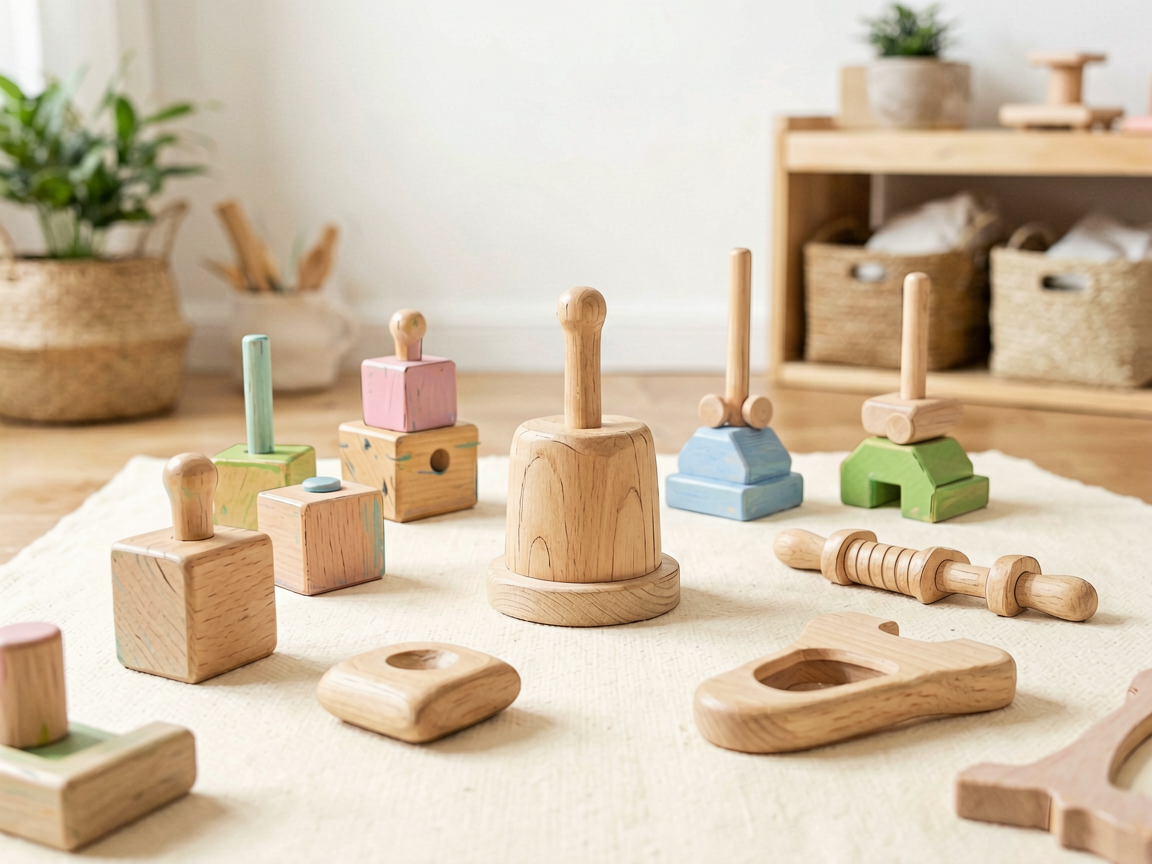
Designing Science and Engineering Kits for 1-Year-Olds
Designing science and engineering kits for 1-year-olds: tiny hands, big discoveries. What to check before buying.
Toy comparisons, safety checks, and buying guides that help parents decide before they buy.
Toy vs toy comparisons only work when both products are judged on what decides real use: how many ways there are to play, how fast setup and cleanup are, how it holds up, and the cost per hour of play. These head-to-head comparisons put similar products side by side. Before you read a comparison, it helps to know which criteria separate a good toy from an average one. If the two options differ mainly by the age they suit, check the age-by-age guide first — sometimes the comparison is settled before it starts.
Designing science and engineering kits for 1-year-olds: tiny hands, big discoveries. What to check before buying.
The case for science and engineering kits at 9 months: building brains from first grasps. A closer look at both.
Science and engineering kits for 6-month-olds: what exists, what works, what to skip. Here is how to decide.
Why science and engineering kits matter for babies: building tomorrow's thinkers early. Which one earns its shelf spot.
Science kits vs. engineering kits: unpacking the educational divide before you buy. The differences that matter.
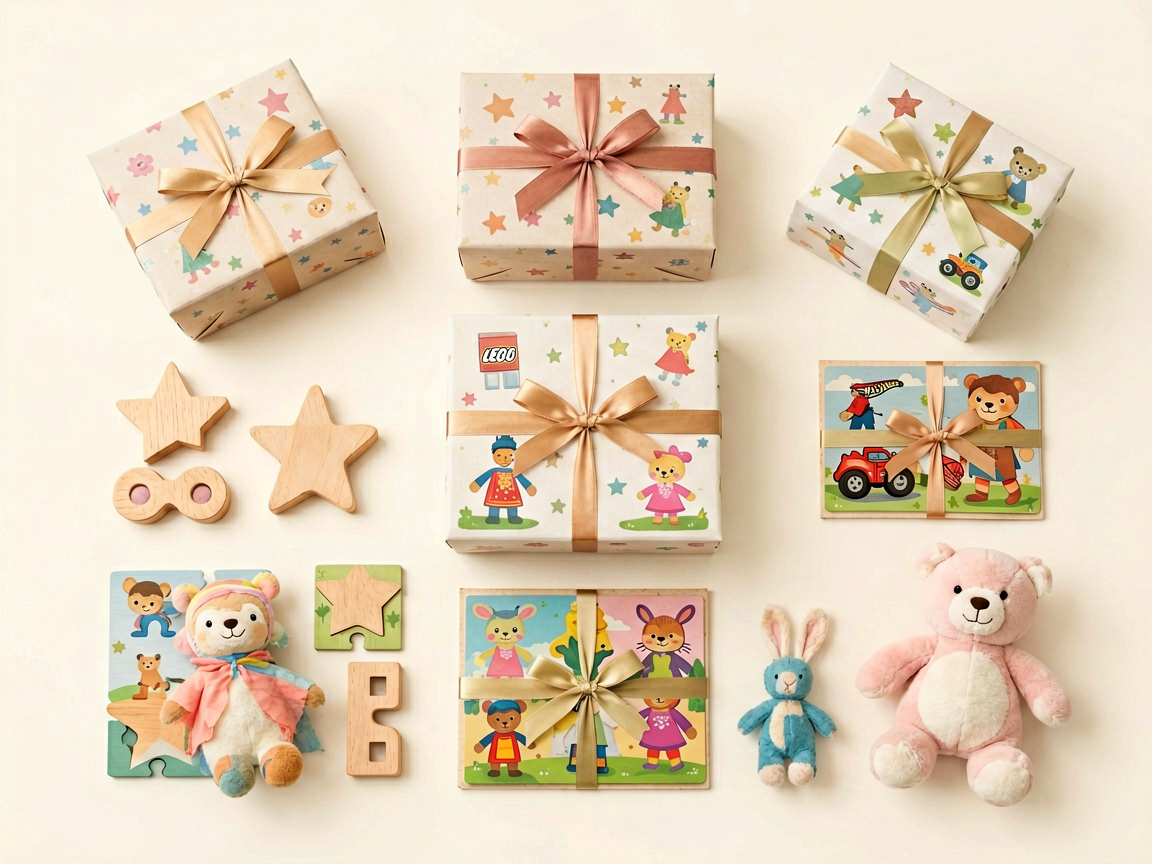
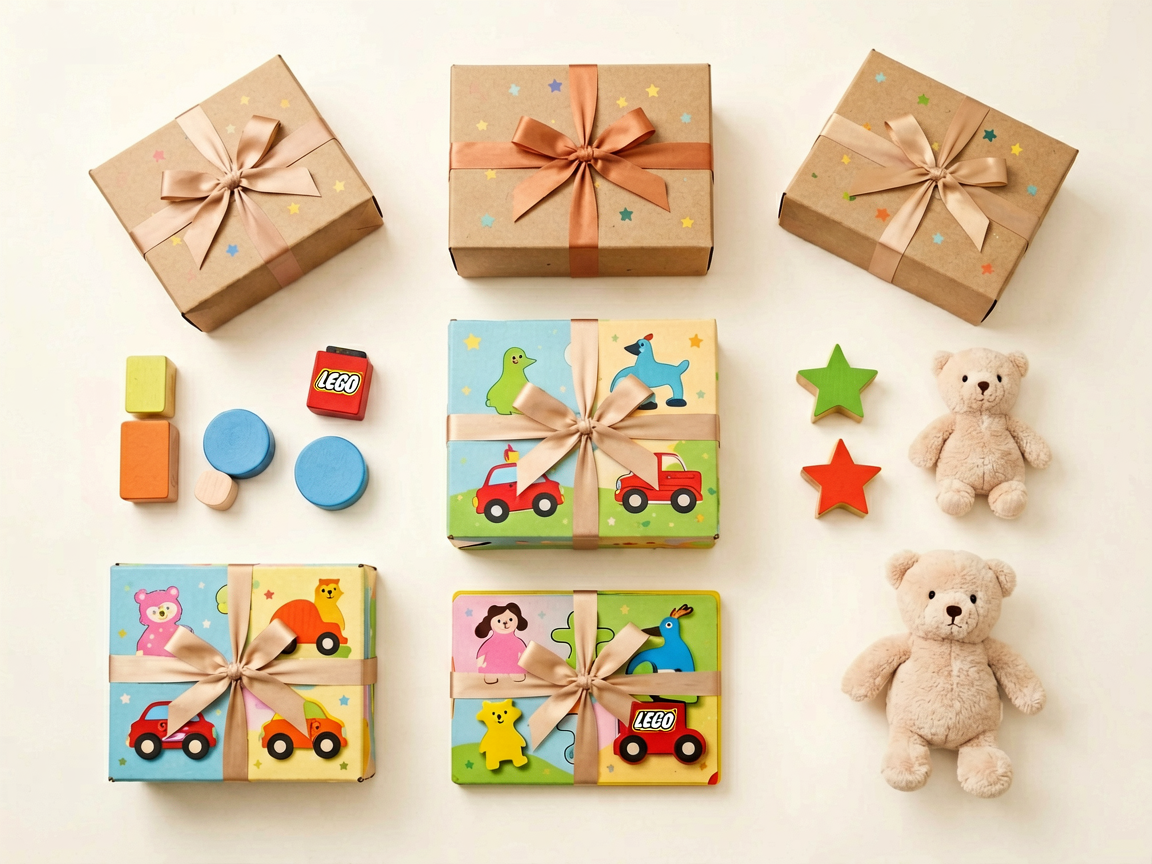
Why science and engineering kits make the best Christmas presents: the gift of curiosity. How to choose between them.
Why science and engineering kits make perfect birthday gifts: unlocking curiosity by age. What the play looks like.
Science kits ask children to follow a procedure and observe; engineering kits ask them to solve a problem. Which builds what, and when to start each.
The great debate: science kits vs. engineering kits. Which one should you buy, by age. Where each one falls short.
Understanding the difference between science kits and engineering kits: the distinctive divide. The honest comparison, inside.