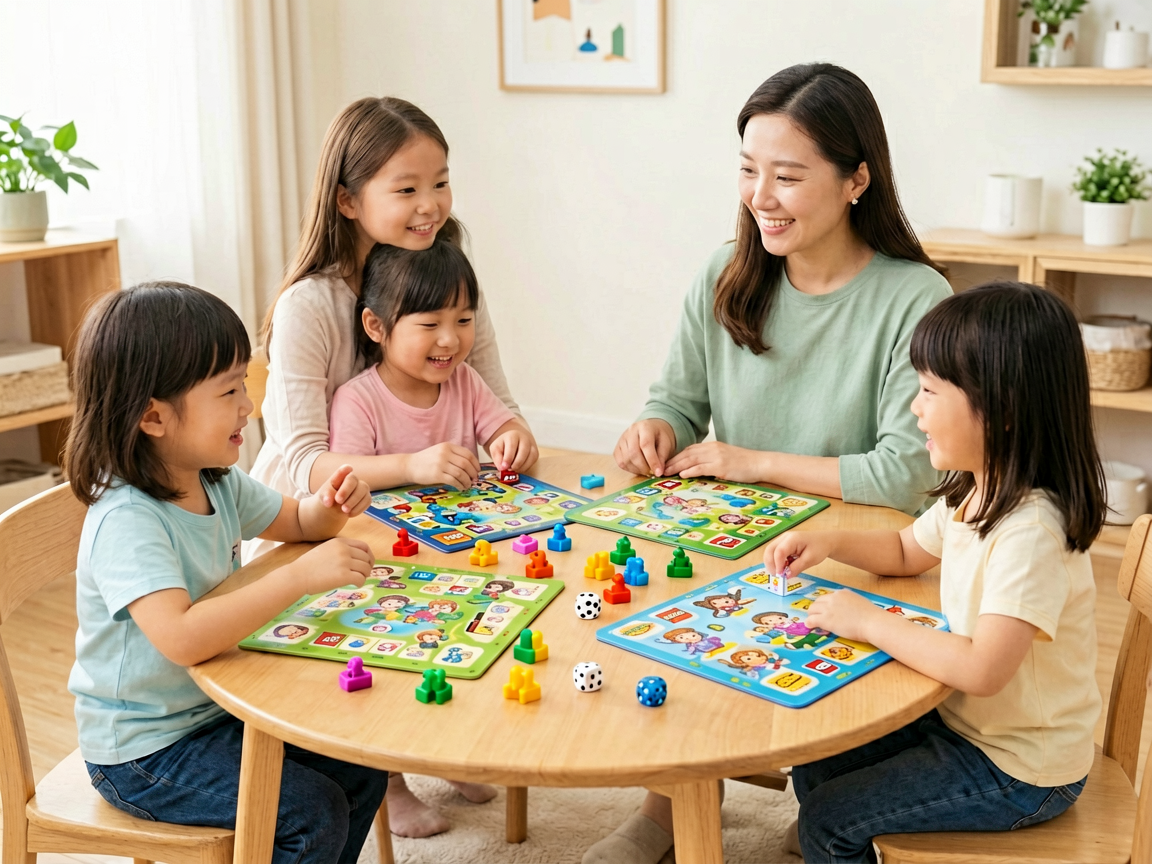
Beyond the Screen: Longer Lasting Alternatives to Educational Tablets
Educational tablets age in hardware years. Longer-lasting alternatives to educational tablets that grow with kids.
Toy comparisons, safety checks, and buying guides that help parents decide before they buy.
Toy alternatives are about picking a different version of the same idea: the same skill, a simpler build, a sturdier material, or a cheaper option from a smaller brand. These guides collect the alternatives worth considering when a specific toy is too expensive, too advanced, too fragile, or simply not available. Alternatives work best when you know what the toy is supposed to do for the child. The comparison criteria show how to keep the parts that matter — play patterns, age fit, durability — while changing the rest, and the ten-minute framework keeps the shortlist honest.
Educational tablets age in hardware years. Longer-lasting alternatives to educational tablets that grow with kids.
Tablets demand chargers, cases and space. Space-smart learning: small-space alternatives that do more with less.
Tablet play means sticky screens and dropped devices. Low-mess alternatives to educational tablets for daily learning.
Tablets bring screen-time and content risks. Safer alternatives to educational tablets that keep the learning intact.
Kindergarteners and tablets: what five-year-olds actually learn from apps, and the alternatives that teach more.
Preschoolers and tablets: the best alternatives to educational tablets that build school-readiness through play.
Toddlers and tablets: the best alternatives to educational tablets for hands-on learning before age three.
Thirteen-year-olds need more than a locked-down tablet. Top alternatives that support research and real creation.
Twelve-year-olds and tablets: the best alternatives to educational tablets that keep learning active and social.
Eleven-year-olds and tablets: the best alternatives to educational tablets that build skills without dependency.