Beyond the Lab Coat: Top Alternatives to Science Kits for One-Year-Olds
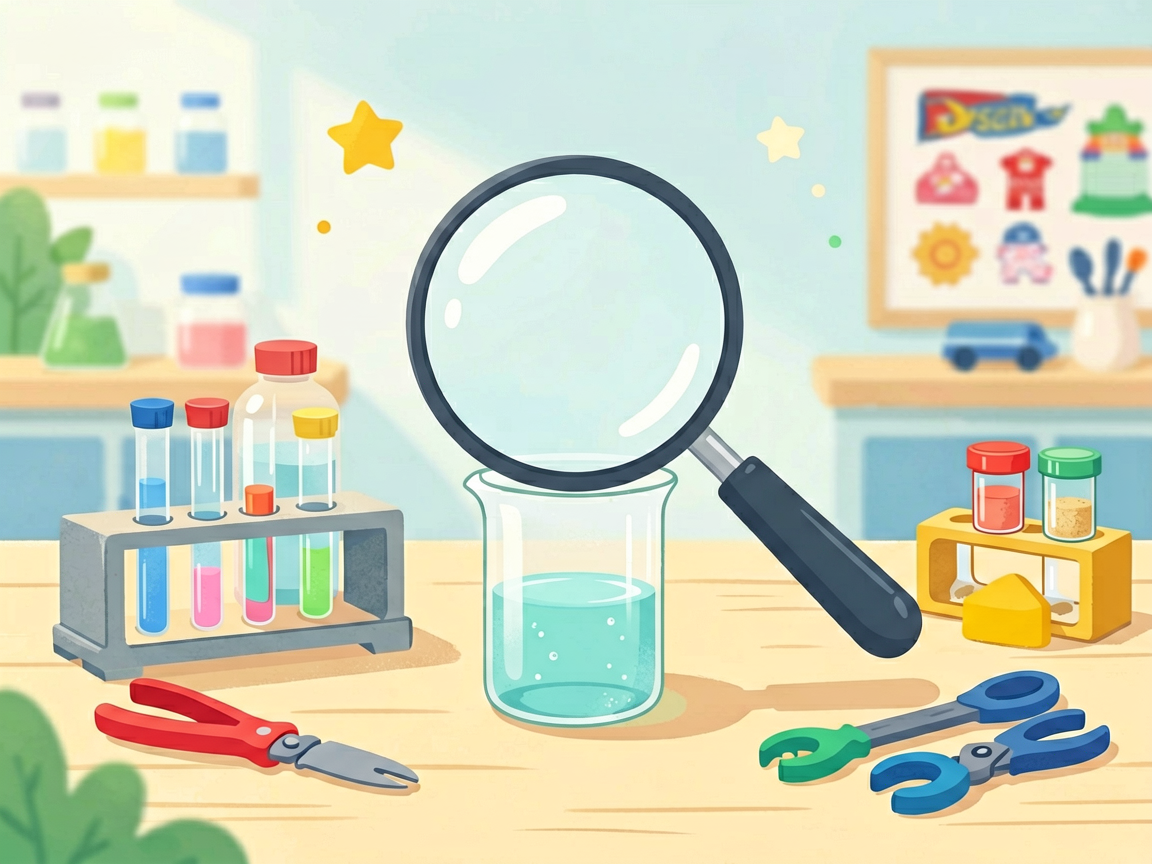
When parents think about introducing science to their babies, the first image that often comes to mind is a colorful, plastic science kit filled with...
Toy comparisons, safety checks, and buying guides that help parents decide before they buy.
Toy alternatives are about picking a different version of the same idea: the same skill, a simpler build, a sturdier material, or a cheaper option from a smaller brand. These guides collect the alternatives worth considering when a specific toy is too expensive, too advanced, too fragile, or simply not available. Alternatives work best when you know what the toy is supposed to do for the child. The comparison criteria show how to keep the parts that matter — play patterns, age fit, durability — while changing the rest, and the ten-minute framework keeps the shortlist honest.
When parents think about introducing science to their babies, the first image that often comes to mind is a colorful, plastic science kit filled with...
When we think of "science kits," images of test tubes, microscopes, and colorful chemical reactions often come to mind....
When we think of introducing science to a baby, the image of a colorful kit filled with beakers, test tubes, and instruction cards often comes to mind....
In an age when educational toys flood the market, science kits for babies have become a popular category promising to turn infants into little...
For generations, the quintessential image of a young scientist has involved bubbling beakers, whirring motors, and the satisfying click of a snapping...
Boxed science kits often constrain the experiment. Open-ended alternatives that teach the same method with everyday materials and more freedom.
In an era when STEM education is widely championed, parents, teachers, and homeschoolers often feel pressured to purchase glossy, brand-name science...
Why We Need Non-Toxic Science Kits In recent years, science education has moved beyond the classroom and into the home....
Science education is a gateway to curiosity, critical thinking, and problem-solving....
Commercial kits cost $30 and up for a handful of reactions. Everyday materials that teach the same concepts, plus the safety rules.