Breaking the Cycle: A Parent’s Guide to Resisting Toy Trends and Fostering Lasting Play
—
Introduction
Every holiday season and birthday, parents face a familiar pressure: the latest “must-have” toy. It blazes across social media, sells out within minutes, and sparks playground chatter that makes your child feel left out. The urge to buy in is strong. Yet, following every toy trend can be financially draining, environmentally wasteful, and surprisingly counterproductive to your child’s development. This guide offers a practical, research-backed approach to help parents resist the hype cycle, choose toys that truly matter, and cultivate a home environment where creativity, not consumerism, leads the way.
—
The Allure of the Hype: Why Parents Get Caught Up
The toy industry is a master of psychological triggers. Limited editions, “while supplies last” tags, and influencer unboxing videos create a sense of urgency. Parents want their children to feel included, not left out of the playground conversation. This fear of missing out (FOMO) is powerful, often amplified by algorithms that show you exactly what other parents are buying.
Moreover, many parents grew up in a culture where more toys equaled more love. We are conditioned to measure our success partly through our children’s material happiness. When a child begs for a trending toy, saying no can feel like emotional deprivation. Understanding these forces is the first step to breaking free. Recognize that the pressure is manufactured—it’s marketing, not a measure of your parenting.
—
The Hidden Costs of Following Trends
Beyond the obvious impact on your wallet, chasing toy trends comes with less visible consequences.
Financial strain: A single trending toy can cost $50 to $200, and trends shift every few months. Families can easily spend hundreds of dollars a year on toys that end up forgotten in a bin. That money could fund experiences—a trip to the zoo, a museum membership, or a family board-game night—which research shows contribute more to long-term happiness and learning.
Environmental impact: Most trending toys are plastic, flashy, and non-recyclable. They are often produced overseas with short supply chains that prioritize speed over sustainability. Landfills are overflowing with last year’s craze. By opting out, you reduce your family’s ecological footprint and teach your child to value resources.
Developmental drawbacks: Many trending toys are passive—they light up, make noise, and do the work for the child. Studies in early childhood development indicate that open-ended toys (blocks, art supplies, pretend-play props) foster problem-solving, creativity, and social skills far better than single-purpose, trend-driven gadgets. A toy that does everything may entertain for five minutes but teaches little.
—
Understanding Your Child’s True Needs
Children don’t need every new toy. They need safe, stimulating environments that encourage exploration. The core of a healthy toy philosophy is recognizing what your child actually benefits from at each age.
- Infants and toddlers: Sensory experiences, cause-and-effect toys, and items that support gross motor development (soft blocks, stacking cups, push toys).
- Preschoolers: Imaginative play materials (dress-up clothes, play kitchens, simple vehicles), art supplies, and puzzles.
- School-age children: Construction sets (LEGO, magnetic tiles), strategy board games, sports equipment, and books.
- Teens: Creative tools (musical instruments, coding kits, art materials), social games, and hobby-specific gear.
When you understand this continuum, a trending toy that doesn’t fit your child’s developmental stage is easier to dismiss. You are not depriving them; you are curating a thoughtful inventory.
—
Strategies for Saying No (and Meaning It)
Resisting a child’s intense request requires a game plan. Here are actionable strategies:
- Pause before purchasing: Institute a 48-hour rule for any toy that triggers an emotional purchase. Most desires cool off within a day or two. Use that time to research the toy’s longevity and reviews from other parents.
- Offer alternatives: Instead of “no,” say “yes, but later,” or “let’s find something better.” Suggest waiting for a birthday or a holiday, or propose a trade: “If you really want this, you can use your allowance for half the cost and we’ll match it.”
- Normalize boundaries at home: Talk openly about money, media influence, and the difference between wants and needs. Use simple language: “That toy is designed to make us want it, but we don’t have to listen to ads.”
- Create a “wish list” ritual: Have your child maintain a list of desired items. When special occasions arise, choose the item that has survived the longest on the list. This teaches patience and prioritization.
—
Building a Toy Philosophy that Lasts
Beyond individual refusals, adopt a family-wide mindset about toys. This philosophy should be consistent and communicated clearly.
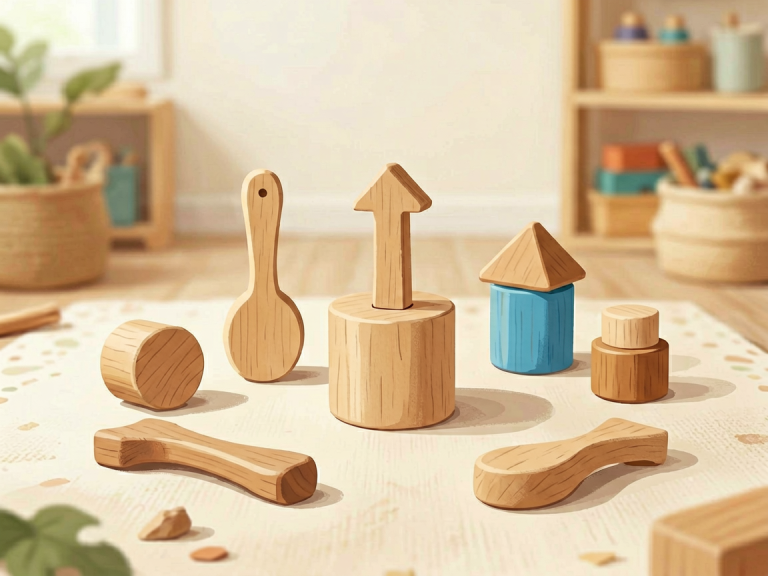
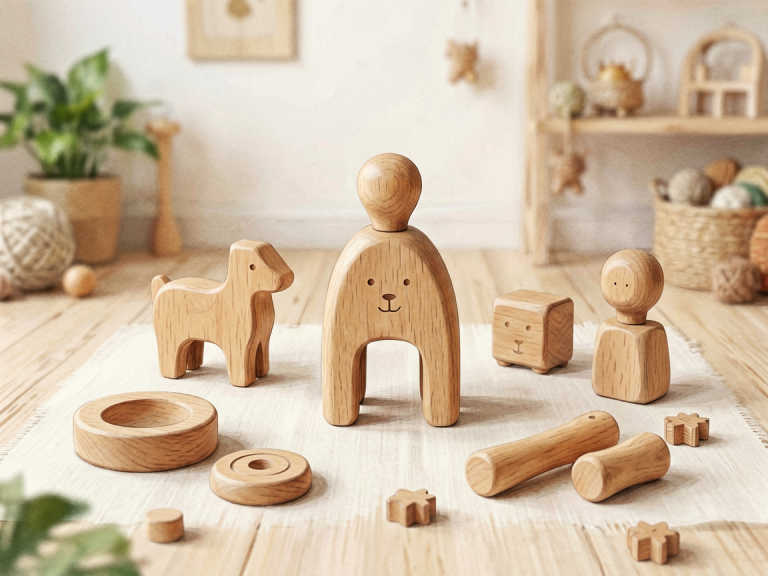
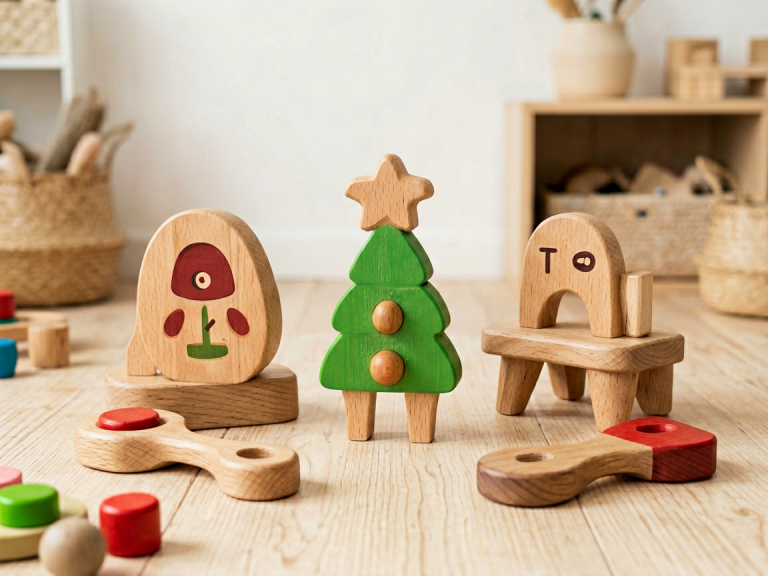
Prioritize quality over quantity: Invest in well-made, durable toys that can be passed down or resold. Wooden blocks, high-quality art supplies, and classic board games often outlast dozens of trendy plastic gadgets.
Emphasize open-ended play: Toys that can be used in countless ways (LEGO, magnetic tiles, clay, simple dolls) encourage creativity. A child who builds a castle from blocks is learning architecture, balance, and storytelling—far more than a child who presses a button on a robotic toy.
Limit screen-based toys: Many trendy toys are app-connected or have screens. The American Academy of Pediatrics recommends minimal screen time for young children. Prioritize real-world interaction.
Rotate toys: Instead of buying more, rotate the toys you already own. Store half in a bin and swap them every month. This makes old toys feel new again and reduces the craving for novelty.
—
Encouraging Open-Ended Play and Creativity
The best antidote to trend-chasing is a home rich with creative opportunities. Foster play that doesn’t rely on purchasing new items.
- DIY alternatives: Make playdough at home, build forts from blankets, or create a cardboard box castle. These activities are low-cost, highly engaging, and teach resourcefulness.
- Nature play: Collect leaves, sticks, and stones. Use them for counting, sorting, or art projects. Nature is the ultimate open-ended toy.
- Imaginative scenarios: Encourage your child to set up a pretend grocery store using canned goods from the pantry, or a post office with old envelopes. Such play develops language, math, and social skills.
When children experience the joy of creating their own fun, they become less dependent on store-bought entertainment.
—
The Role of Quality over Quantity
Adopt a simple filter for every potential new toy: “Will this still be interesting in six months?” If the answer is no, skip it.
Look for toys that grow with your child. For example, a high-quality wooden train set can be simple for a two-year-old and complex for a six-year-old. A dollhouse can be used for imaginative play for years. Magnetic tiles work from age three well into elementary school.
Also consider the toy’s material and safety. Avoid cheap plastics that break easily and may contain harmful chemicals. Brands that use sustainable materials and offer repair or replacement parts are worth the extra investment.
—
Teaching Children About Value and Gratitude
Ultimately, the goal is not just to avoid trends, but to raise children who understand the value of things.
Involve them in decision-making: When a toy breaks, discuss whether to repair, recycle, or replace. When a new toy arrives, declutter an old one together. Donate toys in good condition to local shelters or hospitals.
Model gratitude: Comment on what you appreciate about the toys you already own. “I love how your building blocks let us make so many different things.” This shifts the focus from acquisition to appreciation.
Talk about advertising: Point out ads on TV or YouTube. Ask your child, “What do you think the company wants us to feel?” This builds critical media literacy from an early age.
—
Conclusion: The Gift of Mindful Parenting
Resisting toy trends is not about being a scrooge. It is about choosing a path that aligns with your values: financial responsibility, environmental stewardship, and genuine child development. Every time you say no to a flashy fad, you are saying yes to something deeper—time for unstructured play, more space in your home, and a child who learns that happiness does not come from a box.
Start small. The next time a trend arises, pause, reflect, and remember: you are the gatekeeper of your child’s play world. You have the power to replace consumer pressure with curiosity, scarcity with creativity, and trends with timelessness. That is the most valuable toy you can ever give.
(Word count: approximately 1,350)