Breaking the Cycle: How to Avoid Following Toy Trends and Raise Creative, Independent Kids
Introduction
Every holiday season, parents brace themselves for the inevitable: the latest must-have toy that sweeps through playgrounds, social media feeds, and television commercials. One year it’s a fidget spinner, the next it’s a singing plush animal, and then a collectible blind box craze takes over. The pressure to conform is real—children beg, peer influence intensifies, and parents worry that their child will be left out. Yet following toy trends is not only financially draining but also counterproductive to fostering genuine creativity, patience, and independent thinking.
The toy industry is a multi-billion-dollar machine engineered to manufacture desire. Trends are often short-lived, designed to create urgency through limited editions, viral marketing, and influencer endorsements. But families can break free from this cycle. Avoiding toy trends does not mean depriving your child of joy; it means reframing what “fun” and “value” mean. This article offers a comprehensive guide to resisting the lure of fleeting fads and building a healthier, more intentional approach to play.
—
Understanding the Mechanics of Toy Trends
Before we can avoid following toy trends, we must understand why they are so powerful. Toy companies invest heavily in psychology. They use scarcity (“only 500 available!”), social proof (“everyone has one”), and novelty (“new and improved”) to trigger a fear of missing out (FOMO). Children, whose prefrontal cortexes are still developing, are especially vulnerable to these tactics. Their desire for social belonging is intense, and a toy often becomes a ticket to inclusion.
Additionally, the rise of “unboxing” videos on YouTube and TikTok has turned toy consumption into a spectator sport. Children watch influencers rip open packaging, reveal surprises, and rate the contents. The toy itself becomes a secondary experience; the primary thrill is the anticipation and the validation of owning what others covet. Recognizing this manipulative ecosystem is the first step. When parents understand that trends are engineered, not organic, they can approach purchasing decisions with a critical eye.
—
Cultivating a Family Culture That Values Play Over Possessions
The most effective long-term strategy is to establish a family ethos that prioritizes experiences, creativity, and relationships over material accumulation. This starts with open conversations. Talk to your children about why certain toys become popular. Explain that companies want you to feel like you need something immediately, but that real fun doesn’t expire. Use age-appropriate language: for a six-year-old, you might say, “Sometimes everyone wants the same toy because it’s new, but new doesn’t always mean better. Let’s think about toys we already have that we love.”
Model this behavior yourself. If you constantly chase the latest gadgets, clothes, or home trends, your child will absorb that mindset. Instead, demonstrate satisfaction with what you have. Share stories of your own childhood toys that lasted for years—a simple wooden train set, a set of building blocks, a doll that you dressed in handmade clothes. These narratives help children see that value lies in longevity and imagination, not in novelty.
—
Embracing Open-Ended Toys That Encourage Creativity
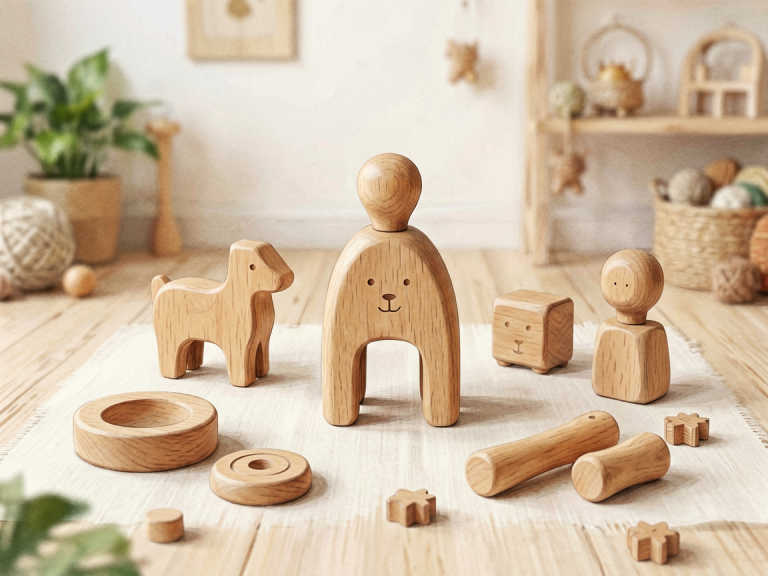
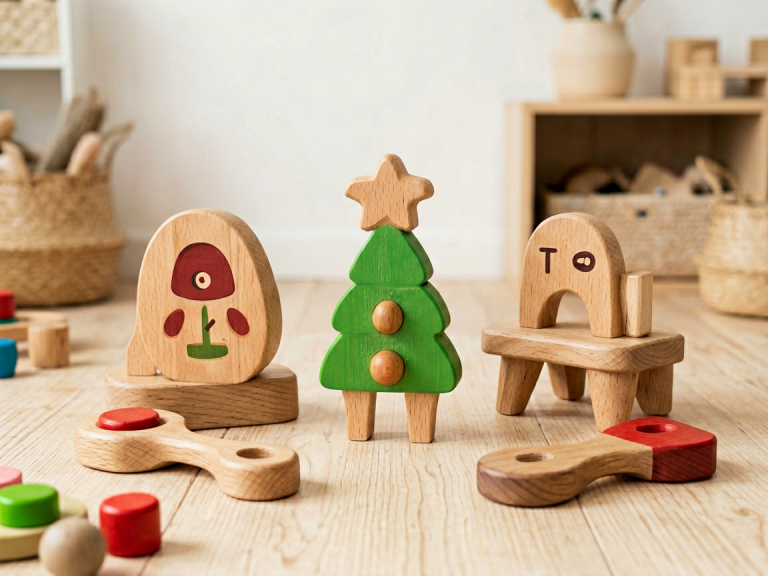
One of the simplest ways to avoid toy trends is to curate a collection of open-ended toys. These are toys that do not dictate a single use or outcome. Blocks, LEGO bricks (without specific kits), art supplies, play dough, magnetic tiles, dolls with neutral expressions, and simple construction sets all fall into this category. Open-ended toys grow with the child. A pile of wooden planks can become a castle one day, a spaceship the next, and a bridge the week after.
In contrast, trend toys are often highly specialized. A singing robot that only repeats three phrases or a plastic playset with one fixed scenario quickly loses appeal. The child masters it in ten minutes and then craves the next fix. By investing in fewer, higher-quality, flexible toys, parents create an environment where play is driven by the child’s imagination, not by the toy’s predetermined features. This also reduces the clutter of single-purpose items that end up in landfill within months.
—
Limiting Exposure to Advertising and Unboxing Culture
Today’s children are bombarded with toy advertisements disguised as entertainment. YouTube channels, influencer Instagram posts, and even educational apps often contain embedded product placements. To break the trend cycle, parents must actively limit this exposure. Set screen-time boundaries, especially for content that focuses on toy reviews or unboxing. When your child watches media, choose ad-free platforms or use parental controls to block commercial content.
Alternatively, watch together and discuss what you see. Ask questions: “Do you think that toy is as fun as they say? How many of their friends actually play with it for more than a week?” This builds media literacy. Over time, children learn to question the hype rather than automatically crave the product. They become savvy consumers instead of passive targets.
—
Encouraging Peer Playground Dialogue That Deflates FOMO
Peer pressure is one of the strongest drivers of trend following. Children feel left out when they don’t have the latest toy that everyone is talking about. Parents can help by teaching their children how to handle these social situations. Role-play scenarios at home. For example, if a friend says, “Why don’t you have a [trendy toy]?” your child could reply, “I don’t have it, but I have a really cool fort-building set. Want to come over and build something?”
Also, foster friendships with families that share your values. Arrange playdates where the focus is on activities—baking, hiking, crafting, or board games—rather than on comparing possessions. When children experience that fun comes from doing, not from owning, the pull of trends weakens naturally.
—
Implementing a “Wait and See” Rule for New Purchases
Impulse buying fuels toy trends. A simple but powerful technique is to institute a “wait and see” period. When your child asks for a trendy toy, do not say an immediate yes or no. Instead, say, “Let’s put it on a list and think about it for two weeks.” During that time, the initial hype often fades. Your child may lose interest, or they may discover that a friend already has it and they can play with it at the friend’s house.
If after two weeks they still want it, you can make a deliberate decision. Discuss what they would do with the toy, how it might be used in combination with existing toys, and whether it offers lasting value. This practice teaches delayed gratification—a critical life skill—and transforms purchasing from a reactive impulse into a thoughtful choice.
—
Rethinking Gifts: Experiences, Subscriptions, and Second-Hand Treasures
Birthdays and holidays are hotbeds of trend-chasing. Shift the family gift culture away from “stuff.” Consider giving experiences: a family trip to a science museum, a season pass to a local zoo, tickets to a theater performance, or a subscription to a magazine or a craft kit that arrives monthly. Experiences create memories and skills without accumulating clutter.
When you do buy physical toys, explore second-hand options. Thrift stores, garage sales, and online marketplaces are treasure troves of high-quality, classic toys at a fraction of the price. A used wooden train set or a vintage dollhouse often exceeds modern plastic versions in craftsmanship and charm. Explain to your child that pre-loved toys have stories and that reusing them is kind to the planet. This reframes the notion of “new” as inflated rather than desirable.
—
Fostering a Love for Non-Play Object Passions
Sometimes the best way to avoid toy trends is to help your child develop interests that go beyond toys altogether. Encourage hobbies like gardening, cooking, building with real tools (under supervision), drawing, writing stories, or playing a musical instrument. These activities provide a sense of mastery and purpose that no plastic gadget can match.
When a child is deeply engaged in a hobby, they have less mental space for trend-watching. They become proud of their unique skills. A child who loves to sketch doesn’t need the latest collectible figure because they are busy creating their own characters. A child who enjoys mixing ingredients in the kitchen gains satisfaction from process, not possession.
—
Conclusion: Choosing Intention Over Impulse
Avoiding toy trends is not about depriving your child of joy; it is about protecting their capacity for joy. The relentless pursuit of the next new thing leads to clutter, financial strain, and a hollow sense of satisfaction. By understanding the mechanics of trends, building a family culture that values creativity, limiting advertising exposure, and teaching delayed gratification, parents can raise children who are resilient, resourceful, and content with less.
The goal is not to raise a child who never asks for a trendy toy—that would be unrealistic. The goal is to raise a child who can evaluate a desire, understand its origins, and make a thoughtful choice. In doing so, we equip them with a skill far more valuable than any toy: the ability to find happiness within themselves, not in what everyone else is buying.
So the next time a toy trend sweeps through the schoolyard, take a deep breath. You don’t have to follow. You don’t have to buy. You can simply say, “Let’s see what we can create today,” and watch your child’s imagination—and independence—grow.