The Hidden Dangers in the Nursery: Understanding Toy Recalls for 9-Month-Olds
Introduction: A Parent’s Worst Nightmare
When a parent chooses a toy for their 9-month-old, the decision is rarely made lightly. At this age, infants are transitioning from passive observers to active explorers. They grasp, chew, shake, and throw everything within reach. Their mouths become primary tools for understanding the world, and their developing motor skills make them vulnerable to hazards that older children might easily avoid. Yet despite the best intentions of manufacturers and regulators, toy recalls for this specific age group remain alarmingly common. Each recall announcement sends shockwaves through parenting communities, eroding trust and raising urgent questions: How do these dangerous toys reach the market? What specific risks do they pose? And most importantly, how can parents protect their babies without stifling their natural curiosity?
The Unique Vulnerability of 9-Month-Olds
Developmental Milestones and Risk Factors
A 9-month-old is at a critical stage of sensorimotor development. According to pediatric occupational therapists, babies this age typically master the pincer grasp—the ability to pick up small objects between thumb and forefinger. This milestone, while exciting, drastically increases the risk of choking. Toys designed for older children often contain small parts that are perfectly sized to block a 9-month-old’s airway. The American Academy of Pediatrics notes that toys intended for children under three years old must pass a "small parts cylinder" test, but even so, many recalls involve items that technically pass this test but still pose risks when combined with other factors like breakage or improper assembly.
Moreover, 9-month-olds are beginning to teething intensively. Their gums are sore, and they instinctively chew on anything available. This means toys must withstand not only aggressive mouthing but also the corrosive effects of saliva over time. Recalled toys often reveal that certain paints, plastics, or adhesives contain toxic chemicals such as lead, phthalates, or bisphenol A (BPA) that leach out when chewed. At this age, the blood-brain barrier is still developing, making infants more susceptible to neurotoxins than older children or adults. The consequences can range from developmental delays to behavioral disorders that persist into childhood.
Why Existing Safety Standards Sometimes Fail
The Consumer Product Safety Commission (CPSC) in the United States and similar bodies in Europe and Asia enforce rigorous testing protocols. Yet loopholes exist. For example, some toys are labeled "for ages 3+" even when they are clearly marketed toward younger infants through packaging, colors, or themes. This labeling mismatch confuses parents and allows manufacturers to circumvent stricter testing. Furthermore, global supply chains mean that a toy designed in one country may be manufactured in another, using materials that meet local standards but not international ones. In 2023 alone, the CPSC reported over 90 recalls of infant toys, with nearly a quarter specifically involving products marketed to babies under 12 months.
Common Causes of Toy Recalls for 9-Month-Olds
Choking Hazards: The Most Frequent Offender
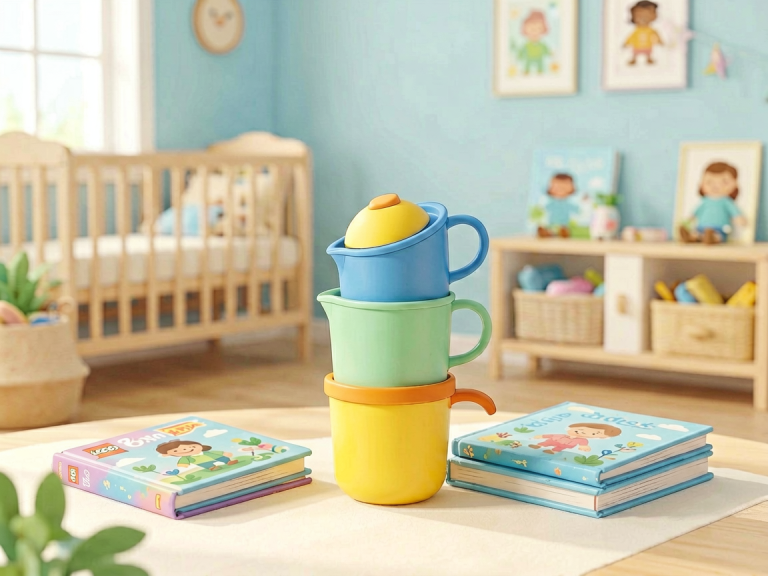
The leading cause of recalls in this age group is the presence of small parts. But "small" is a relative term. A button battery, for instance, is not necessarily a choking hazard in the traditional sense—it can be swallowed and cause severe internal burns within hours. Yet these batteries appear in musical toys, light-up rattles, and even soft plush toys with electronic components. In 2022, a major toy manufacturer recalled over 200,000 units of a popular baby activity center because the battery compartment door could be easily pried open by a 9-month-old’s determined fingers. Another recall involved a set of stacking cups where the plastic rings could break off into sharp-edged pieces small enough to lodge in a baby’s throat.
Chemical Contamination: Invisible Threats
Toxic chemicals are a second major cause. Phthalates, which are used to soften plastics, are banned in many countries for infant products because they are endocrine disruptors linked to reproductive abnormalities. Yet tests conducted by independent consumer groups frequently find phthalates in teething toys, bath toys, and plastic blocks labeled as "BPA-free." Similarly, lead paint—long outlawed in developed nations—continues to appear in imported toys, especially those with bright, glossy finishes. In 2024, a recall of wooden puzzle sets for 9-month-olds revealed lead levels more than 10 times the safe limit on the painted edges.
Mechanical Failures and Entrapment Risks
Less obvious but equally dangerous are mechanical failures. Toys with hinges, springs, or folding parts can suddenly pinch small fingers or catch loose clothing. A high-profile recall in 2023 involved a popular baby jumper seat with dangling toys. The spring mechanisms that allowed the toys to bounce could snap, sending metal fragments flying. Another recall targeted a musical mobile that attached to cribs: the plastic arms could detach, creating strangulation hazards when a baby pulled on them while lying down. For 9-month-olds who are just learning to sit up or crawl, any toy that can be pulled down onto them poses a risk of blunt-force trauma.
The Economic and Emotional Fallout
Financial Costs for Manufacturers and Retailers
Recalls are expensive. Beyond the direct costs of refunds, shipping, and disposal, companies face legal fees, fines, and reputational damage. Small manufacturers may go out of business entirely. Larger companies often respond by tightening quality control, but the pressure to keep prices low can lead to corners being cut. Retailers, too, suffer: major chains like Amazon and Walmart have been criticized for continuing to sell recalled items even after CPSC announcements, leading to public outrage and lawsuits.
Psychological Toll on Parents
For parents, the emotional impact is profound. A recall announcement can turn a cherished toy into a source of anxiety. Many parents report feeling betrayed by brands they trusted. Some develop hypervigilance, refusing to buy any new toys and instead relying solely on hand-me-downs or homemade items. Others become obsessed with checking recall lists daily, a habit that can strain mental health. Pediatricians note that this fear, while understandable, can paradoxically hinder a baby’s development. Sensory play—touching, mouthing, shaking—is crucial for neural growth. A parent who removes all toys out of caution may inadvertently limit their child’s learning opportunities.
Regulatory Responses and Ongoing Challenges
Strengthened Testing Protocols
In response to recurring recalls, regulatory bodies have tightened requirements. The European Union’s Toy Safety Directive now mandates that all components of toys intended for children under 36 months must withstand "accelerated aging" tests that simulate months of chewing and drooling. The CPSC has increased random inspections at ports and online marketplaces. Some countries have also introduced mandatory reporting systems that allow pediatricians and parents to directly submit near-miss incidents, creating a richer data set for identifying dangerous products before injuries occur.
The Role of Third-Party Certification
Yet enforcement remains inconsistent. Online platforms like Etsy and Temu host thousands of small sellers who may not comply with safety standards. Third-party certification programs, such as those run by the Juvenile Products Manufacturers Association (JPMA), help consumers identify safer toys, but these certifications are voluntary and add to production costs. Critics argue that the current system places too much burden on parents to research every purchase, rather than on manufacturers to guarantee safety from the start.
What Parents Can Do: Practical Steps
Adopt a Three-Layer Safety Check
First, before buying any toy, parents should check the CPSC’s recall database or use apps like Recall Pro. Second, they should physically inspect the toy: pull on sewn parts, twist plastic components, and test the battery compartment. Third, they should observe their baby playing with the toy for the first time, noting any pieces that come loose or any signs of distress. This three-layer approach takes only a few minutes but can prevent accidents.
Favor Simple, Washable Designs
For 9-month-olds, the safest toys are often the simplest: solid wooden blocks without paint, silicone teethers without cavities, and soft cloth books with no buttons or beads. Parents should avoid toys with long strings, loose ribbons, or any part that could wrap around a baby’s neck. They should also be wary of "educational" gadgets that promise to boost intelligence—these often contain electronics with small components that fail unexpectedly.
Know When to Let Go
Finally, parents must accept that no toy is 100% risk-free. The goal is not to create a sterile environment but to manage risk intelligently. Rotating toys regularly, discarding any that show signs of wear, and staying informed about current recalls are more effective than trying to eliminate all hazards. A cautious but engaged approach allows babies to explore safely while still reaping the developmental benefits of play.
Conclusion: Toward a Safer Playground
Toy recalls for 9-month-olds are not just isolated incidents; they are symptoms of a global system that prioritizes speed and profit over safety. While regulations have improved, the fundamental gap between what is tested in a lab and how a toy actually behaves in a baby’s mouth remains wide. Closing that gap requires cooperation among manufacturers, regulators, retailers, and parents. It demands that we view infant toys not as trivial purchases but as essential tools for health and development. Until that systemic change occurs, the onus falls on caregivers to remain vigilant—not out of fear, but out of love. After all, the safest toy is not the one with the most certifications, but the one that a parent holds, inspects, and understands before placing it in their child’s hands.