The Bright Box Deception: Why We Choose Toys for Five-Year-Olds by Packaging
A five-year-old stands in a brightly lit toy aisle, eyes wide and fixed on a shelf filled with boxes. They do not see the toys themselves; they see the characters, the flashing lights, the shiny cellophane windows, and the bold promises of adventure printed on cardboard. The parent, tired and pressed for time, reaches for the most eye-catching package because it seems like the safest way to make the child happy. This scene repeats in stores everywhere, and it reveals a troubling truth: adults are buying toys for young children based almost entirely on packaging, not on the actual play value inside. While this tendency is understandable in a world of clever marketing, it leads to disappointment, waste, and missed opportunities for real learning. Understanding the power of packaging is the first step toward breaking this habit.
The Magnetic Pull of Packaging for Young Minds
Five-year-olds are at a developmental stage where visual stimuli dominate their decision-making. They cannot yet read product descriptions, compare materials, or judge the long-term play potential of a toy. Instead, they respond instantly to the images on the box: a smiling princess, a roaring dinosaur, a superhero in mid-flight. Packaging designers know this and intentionally create boxes that speak directly to a child’s imagination. The colors are saturated, the fonts are playful, and every available surface is covered with action scenes. For a five-year-old, the box is the toy. The actual object inside is almost an afterthought.
This psychological pull is incredibly strong. Children often ask for a toy simply because they saw its packaging on a social media video or next to a friend’s birthday present. They do not care whether the toy is made of cheap plastic or if it will break in two days. The packaging promises happiness, and a five-year-old has no reason to doubt it. Parents, in turn, are swayed by this enthusiasm. Seeing their child’s eyes light up, they conclude that the bright box is the key to a joyful afternoon. What they fail to realize is that the packaging is often better designed than the toy itself.
How Packaging Shapes Parental Decisions
It would be easy to blame parents for being shallow, but the truth is that modern toy packaging is engineered to influence adults as well. In a crowded store, parents have limited time and mental energy. Packaging provides quick, readable information: age range, brand reputation, safety certifications, and suggested play features. A large “AGES 4-7” stamp on the front lets a busy parent feel confident that the toy is appropriate. A clear window showing the toy’s figure helps the parent imagine what the child will receive. Even the weight and size of the box communicate value—heavier feels sturdier, bigger feels more generous.
Then there is the gift factor. When purchasing a toy for a birthday party or a holiday, parents often buy for other children, not their own. In those situations, packaging becomes a substitute for personal knowledge. A lavishly decorated box with ribbons, glossy art, and a large brand logo makes a more impressive gift on the outside, even if the inside is mediocre. Gift-givers worry that a plain box might seem cheap or thoughtless. So they choose the box that shouts, not the toy that teaches. Additionally, “surprise” packaging—mystery boxes, blind bags, and collectible capsules—exploits both children’s curiosity and adults’ desire to deliver an exciting reveal. The packaging itself becomes the product, while the actual toy is just a small piece of plastic.
The Hidden Costs of Packaging-First Buying
When parents consistently buy toys based on packaging, several problems emerge. The most immediate is disappointment. A five-year-old tears open the box, only to find a tiny, flimsy figurine that cannot stand up, or a puzzle with missing pieces, or a game that loses its appeal within minutes. This disappointment is not just a momentary tantrum; it teaches children to distrust their own expectations and to equate excitement with illusion. Worse, the child may spend more time playing with the box than with the toy inside. A cardboard box can become a spaceship or a castle, but if the toy itself is weak, the play experience is hollow.
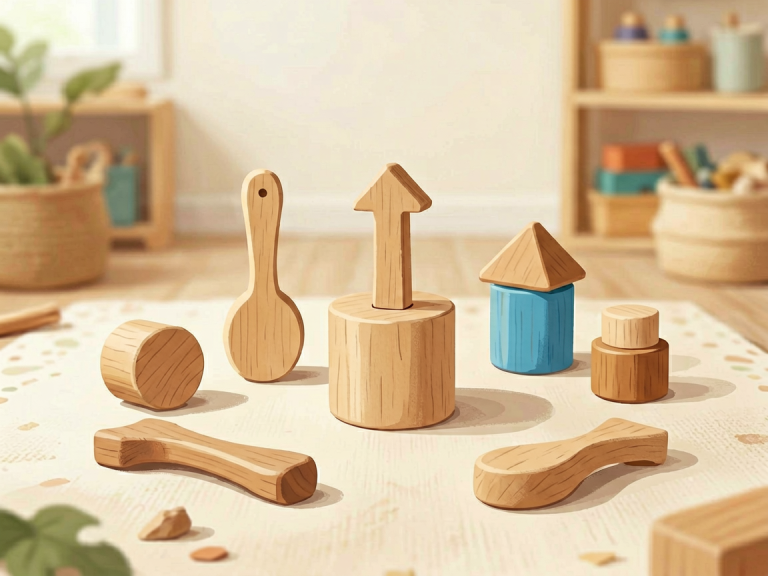
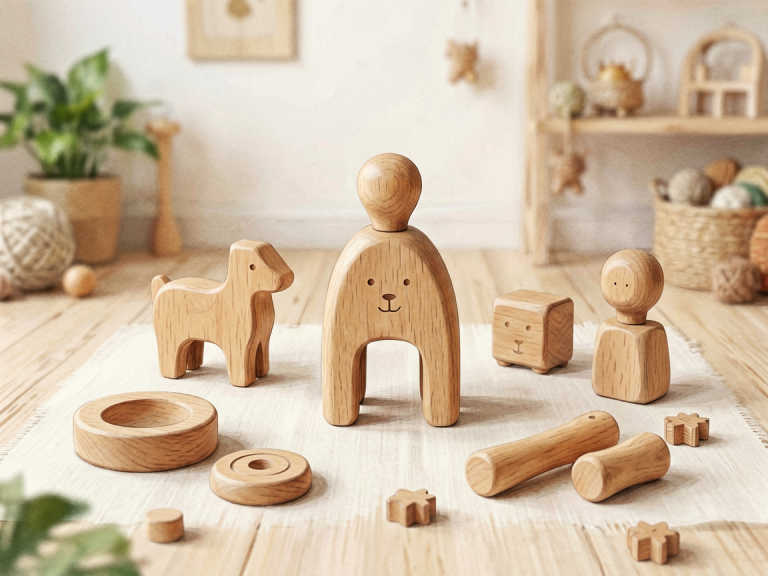
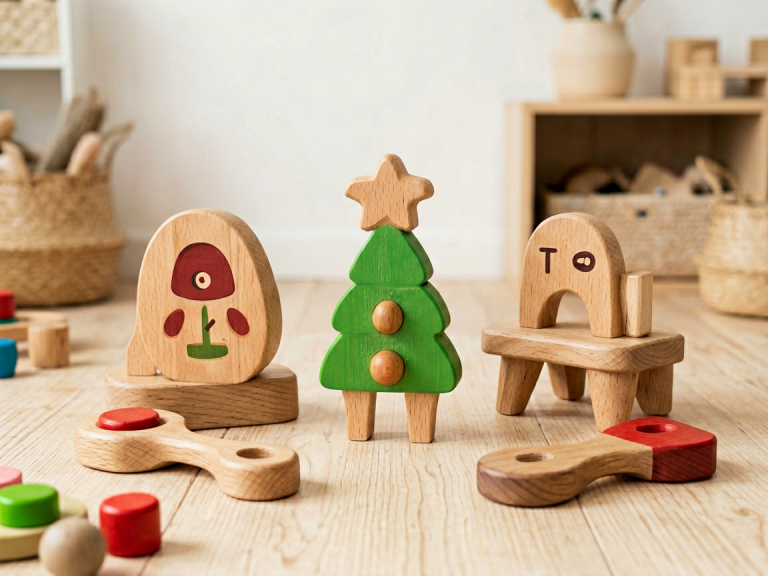
The environmental cost is also significant. Toy packaging often includes multiple layers of plastic, cardboard, twist ties, and foam inserts. Buying a toy for its packaging means paying for waste that will be thrown away within an hour. For five-year-olds, who are already being raised in a culture of throwaway goods, this reinforces the idea that consumption is about disposable excitement rather than lasting value. Meanwhile, parents miss out on opportunities to choose toys that genuinely support development. A five-year-old benefits most from open-ended materials that encourage creativity, problem-solving, and social play—like wooden building blocks, simple art supplies, or dress-up clothes. These rarely come in flashy packages. When buying decisions are made from the shelf outward, these better options are overlooked, and children lose the chance to develop patience and focused attention.
Strategies for Smarter Toy Purchases
Fortunately, parents and caregivers can learn to resist the lure of packaging. One practical strategy is to ban in-store decisions. Write a shopping list before visiting any toy store, or better yet, shop online with a clear set of criteria. When a child points to a bright box in a store, avoid pulling it from the shelf; instead, take a photo and say, “Let’s think about this before we decide.” This small delay gives parents time to research the toy’s actual quality. Another strategy is to look past the front of the box and examine the back. Product photos are often more realistic, and the back lists features such as materials, included pieces, and dimensions. If the box does not show the toy clearly from multiple angles, that is a red flag.
Parents should also focus on open-ended toys that are known to support development. Instead of asking “What is in the package?”, ask “What can my child do with this?” A toy that can be used in many ways, such as a set of magnetic tiles or a collection of play figures, offers more value than a single-purpose gadget. It is equally important to read reviews from other parents, especially ones that mention “the toy is smaller than expected” or “the box looks great, but the quality is poor.” Finally, encourage children to use their imagination beyond the package. After unwrapping, save the box and turn it into a craft project. This shifts the focus from the packaging’s message to the creative possibilities. Over time, children will learn that a great toy is not the one with the loudest box, but the one that gives them the most ways to play.
In conclusion, the habit of buying toys for five-year-olds based on packaging is easy to fall into and hard to break. Packaging is designed to seduce both children and adults, and it often succeeds at the expense of quality, usefulness, and environmental responsibility. Yet by recognizing the trick, by pausing before purchases, and by focusing on what truly happens after the box is opened, parents can make smarter choices. A five-year-old does not need a dazzling package; they need a toy that sparks curiosity, withstands rough play, and invites countless stories. The best packaging, in the end, is the one that disappears quickly—so the child can get to the real magic inside.