The Shiny Box Trap: How Packaging Shapes Our Toy-Buying Decisions
Every year, millions of toys are purchased not because of what they are, but because of what they appear to be. The packaging—that colorful, glossy, plastic-wrapped box—often does more heavy lifting than the toy itself. Walk into any toy store and you will see children pulling at their parents’ sleeves, pointing to the most vibrant, oversized, and elaborate boxes. Parents, too, are not immune; they are drawn to packaging that promises entertainment, education, or the latest trend. This phenomenon, buying toys based on packaging, is so pervasive that it deserves a closer look. Why do we fall for the box? What does it say about our decision-making? And what are the real costs of this superficial approach to toy shopping?
The Allure of the Wrapper
The first encounter with a toy is rarely with the toy itself. It is with the package. And that package has been engineered to capture attention in milliseconds. Bright primary colors, bold fonts, playful characters, and images of smiling children having the time of their lives—all of these elements are carefully designed to trigger an emotional response. A toy in a plain cardboard box, no matter how brilliant the toy might be, will sit unnoticed on a shelf. But a toy in a shiny, oversized box with a clear plastic window and a dramatic background scene will practically leap into a shopper’s hands.
This is no accident. Toy manufacturers spend millions on packaging design, often more than on the toy’s development. They know that in a crowded retail environment, the box is the only salesman that never takes a day off. It has to communicate everything—the toy’s function, its target age, its cool factor—in a split second. As a result, packaging often exaggerates, overpromises, and creates fantasy worlds that the toy inside can never truly deliver. The box becomes a miniature movie trailer for a product that is, in reality, just plastic, wood, or fabric.
The Psychology Behind the Cardboard
Why does packaging have such a powerful grip on our buying decisions? Psychologists point to several factors. First, there is the principle of “anticipation.” The unopened box is a vessel of pure potential. It could be anything—a source of endless adventure, a key to a new imaginary world. Once the toy is removed and played with, that potential collapses into concrete reality, which is often less magical. This is why many children (and adults) find the act of unwrapping more thrilling than the toy itself. The box creates a promise, and our brains fill in the details with limitless optimism.
Second, packaging exploits social proof and status. A toy that comes in a large, elaborate box appears more “important” than one in a simple bag. Parents may subconsciously equate the size of the packaging with the value of the gift. A small toy in a big box feels like a bigger present—more impressive, more expensive, more likely to earn a child’s love and gratitude. This logic is rarely questioned in the heat of the moment.
Third, packaging appeals to the fear of missing out (FOMO). Limited edition boxes, collectible series, or “special” packaging variations trigger a sense of urgency. The box itself becomes part of the product’s identity, and some buyers purchase the packaging purely for its collector’s value, leaving the toy inside untouched. In this case, the toy is not the object of desire at all; the box is.
When the Box Outshines the Toy
Anyone who has ever opened a highly anticipated toy knows the feeling of mild disappointment. The flashy box reveals a cheap, flimsy piece of plastic that took four seconds to assemble. The beautiful picture on the front shows a battery-operated robot with twelve functions, but the actual robot only has two—and one of them is a blinking light. This gap between the packaging’s promise and the toy’s reality is not just a glitch; it is a structural feature of the industry. Packaging is designed to sell, not to tell the truth.
Worse, some toys are deliberately packaged to hide their faults. The box may obscures the toy’s actual size, materials, or complexity. A toy that fits in the palm of your hand can be presented in a box that looks like it contains a small bicycle. The plastic window only shows a single attractive feature, while the rest of the toy is hidden behind a printed panel. Children are particularly vulnerable to this mismatch because they do not have the experience to read the clues. They see the picture of a spaceship on the box and imagine themselves flying it, even if the actual toy is just a static piece of molded plastic.
The tragedy is that the packaging itself often becomes the most entertaining part. How many times have you seen a child ignore the toy and play with the box instead? A cardboard box can become a castle, a car, or a hat. The toy, meanwhile, sits ignored in the corner. This irony reveals a deeper truth: our desire for the visual spectacle of packaging is fundamentally disconnected from the hands-on, creative nature of play.
The Hidden Costs of Packaging-Driven Purchases
Buying toys based on packaging is not just a harmless quirk; it has real economic, environmental, and emotional costs. Financially, consumers pay a premium for the packaging itself. A substantial portion of a toy’s retail price goes toward the box, the inserts, the shrink wrap, and the printed graphics. Studies in the toy industry suggest that packaging can account for up to 30% of a toy’s cost. That means a $50 toy might actually be a $35 toy with a $15 cardboard and plastic wrapper. We are literally throwing money away when we discard the packaging.
Environmentally, the impact is enormous. The vast majority of toy packaging is non-recyclable, made from mixed materials, glossy films, and plastic bindings that end up in landfills. According to environmental groups, toy packaging is one of the most wasteful sectors in the consumer goods industry. Each year, billions of tons of packaging materials are produced for toys that will be played with for a few weeks and then discarded. When we buy the box instead of the toy, we are contributing to this waste stream without even getting lasting value in return.
Emotionally, the disappointment of opening an overhyped package can cause frustration and reduce trust. For a child, repeatedly receiving toys that fail to match their packaging can lead to cynicism and a diminished sense of wonder. For parents, it creates a cycle of guilt: they spent significant money on a gift that ended up forgotten in a corner. This emotional cost is rarely accounted for at the cash register, but it shapes future buying behavior—often pushing people toward even more excessive packaging in a desperate attempt to recapture the initial excitement.
Breaking the Cycle: Buying the Toy, Not the Image
So how can we resist the siren call of the shiny box? The first step is to shift our focus from the package to the actual play value. Before purchasing, ask simple questions: What can the child do with this toy? How many ways can it be played with? Is it durable and safe? Will it be interesting in a week, a month, a year? These questions are impossible to answer from the packaging alone. They require us to see past the graphics and examine the toy itself—possibly even opening the box, if store policy allows, or researching online reviews and demonstration videos.
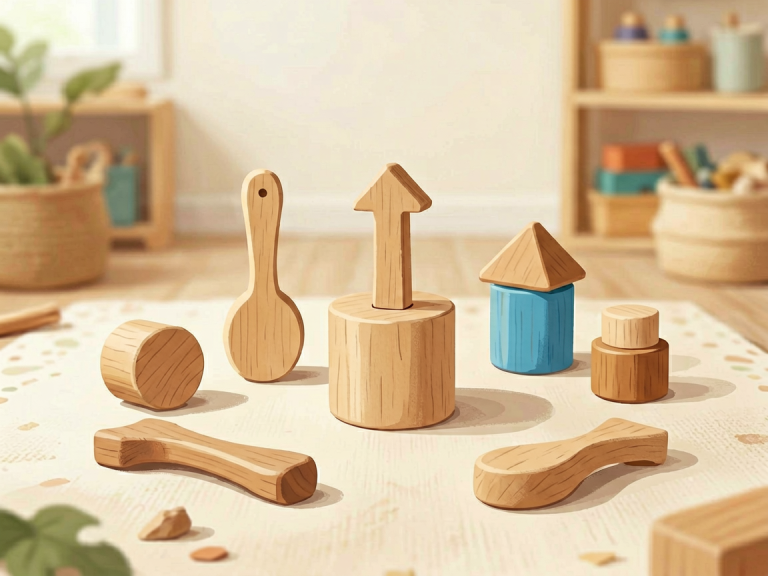
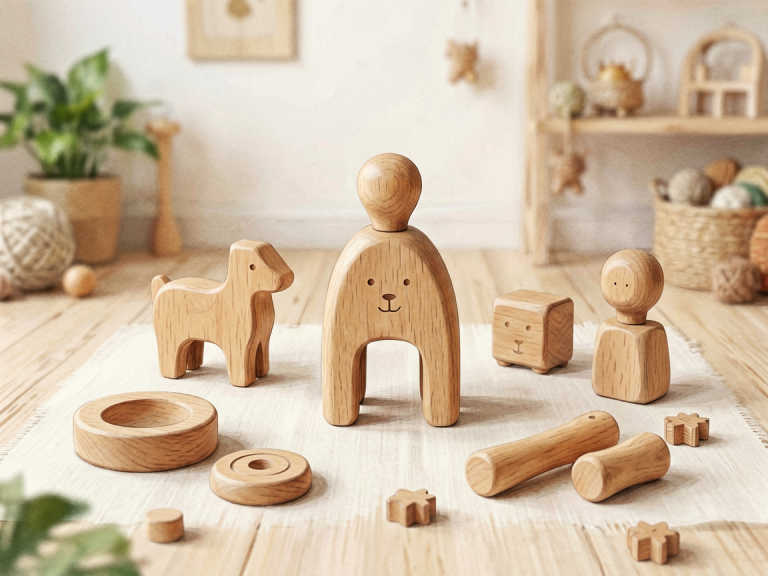
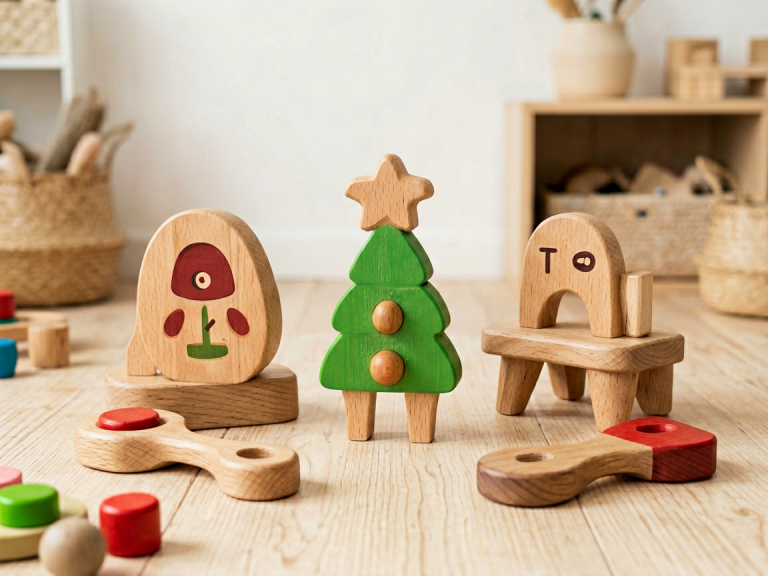
Another strategy is to deliberately seek out toys with minimal packaging. Many high-quality educational toys come in simple, transparent boxes or none at all. The absence of flashy packaging is often a good sign: it means the manufacturer is focusing the budget on the toy’s material, craftsmanship, and design. Wooden blocks, art supplies, building sets, and open-ended figures are almost never sold in over-designed boxes, precisely because their value is self-evident. Choosing such toys sends a message to the market that we value substance over spectacle.
Parents can also teach children to think critically about packaging. When a child points to a massive, colorful box, use it as a teachable moment. Ask the child: “What do you think the toy can do?” Then, after opening the box, compare the reality to the promise. Let the child express disappointment or surprise. Over time, children learn to look beyond the hype. This is a valuable life skill that extends far beyond toy shopping—it prepares them to see through advertising in all its forms.
Finally, we can reframe the role of packaging in our own minds. Packaging is not a promise; it is simply a container. The real product is the toy, and the real experience of play is what happens after the box is discarded. If we can remember this, we can walk into any toy store with a clear head. We can resist the emotional pull of the glossy wrapper and instead focus on the quiet, humble toy that may be sitting in a plain box on a lower shelf. More often than not, that humble toy has the power to inspire the deepest, most creative, and most lasting play. The box may be beautiful, but it is the toy that matters.
Conclusion
In an industry built on visual appeal and fast consumption, buying toys based on packaging is a natural, understandable instinct—but it is an instinct we should question. The packaging is a salesman, not a friend. It tells us stories, but those stories are rarely accurate. By becoming conscious of the tricks of the trade, by looking past the bright colors and bold claims, and by prioritizing the actual quality and playability of the toy itself, we can make wiser, more satisfying choices. We can give children gifts that truly engage their imagination, not just their initial excitement. And we can reduce the waste of money and material that comes from worshipping the box. The next time you reach for a toy, pause. Take a deep breath. Look at the toy behind the plastic. Then decide if it is the box you want, or the play.