Are Action Figures Safe for Babies? A Comprehensive Guide for Parents
Introduction: The Concern Behind the Question
As a new parent, few things are more rewarding than watching your baby’s eyes light up at the sight of a bright, colorful toy. Action figures—miniature heroes, animals, and characters from favorite movies and shows—often top the wish list as babies grow into toddlers. However, before you gift a pint-sized superhero to your six-month-old, a critical question must be addressed: are action figures safe for babies? The short answer is nuanced. While action figures can provide hours of imaginative play for older children, they pose several distinct risks for infants. This article examines the potential dangers, age-specific guidelines, material safety, and practical steps parents can take to ensure their little ones remain safe while exploring the world of miniature play.
Understanding the Developmental Needs of Babies
To determine whether action figures are safe, one must first understand the developmental stage of a baby. From birth to around 12 months, infants explore the world predominantly through their mouths. This is known as the oral stage of development. Babies will grasp, shake, lick, and chew virtually any object within reach. Their motor skills are still developing, but their grip strength is sufficient to pick up small items. Furthermore, babies lack the cognitive understanding of what is edible versus inedible, and they do not yet possess the reflex to properly cough or spit out objects that get lodged in their airways. In fact, choking is a leading cause of injury and death among infants and young children. This fundamental fact shapes every safety recommendation for baby toys.
The Primary Hazard: Choking and Small Parts
The most significant danger that action figures present to babies is the risk of choking or aspiration. Standard action figures, especially those designed for children aged 3 and up, come with removable accessories: swords, shields, guns, capes, helmets, and tiny hand-held items. These parts are often small enough to fit entirely inside a baby’s mouth. Even the figure itself, if small enough, can block a baby’s airway. The American Academy of Pediatrics (AAP) categorically warns against toys with small parts for children under the age of three. A useful rule of thumb is the toilet paper roll test: if any toy component can fit inside an empty toilet paper roll, it is unsuitable for a baby. Most mainstream action figures, such as the classic 3.75-inch or 6-inch scale figures, will pass this test easily. Their heads, hands, or feet can detach, especially if the baby bites or throws the toy with force. Even if a part does not break off, the baby’s saliva can weaken glued joints over time, causing pieces to loosen and eventually separate.
Material Safety: What Are These Figures Made Of?
Beyond choking, the chemical composition of action figures deserves scrutiny. Many plastic toys, especially those manufactured outside of strict regulatory oversight, may contain phthalates, lead, cadmium, or bisphenol A (BPA). Phthalates are used to soften PVC plastic, making it flexible, but they are known endocrine disruptors. Lead is sometimes used in paint or stabilizers, and exposure to even small amounts can impair neurological development in infants. BPA can interfere with hormonal functions. While many countries, including the United States and those in the European Union, have strict limits on these substances in toys intended for children under 12, not all action figures are sold in regulated markets. Imported or heavily discounted toys may slip through the cracks. Moreover, babies put toys in their mouths, meaning any chemical on the surface can be leached by saliva and ingested. Therefore, always look for labels such as “ASTM D-4236” or “CE” marking, which indicate compliance with safety standards. If the product has a strong, chemical smell, reject it immediately.
Sharp Edges and Pointed Protuberances
Another overlooked danger is physical injury from the action figure’s design. Many figures feature angular details—swords, pointed ears, sharp fins, or protruding weapons. Babies have poor coordination and frequently fall forward while sitting, crawling, or learning to stand. If a baby tumbles onto an action figure with a pointed edge, they can sustain cuts, scratches, or even puncture wounds to the face, eyes, or gums. Additionally, some figures use rigid, brittle plastic that can crack into jagged shards when dropped onto a hard floor. These shards are not only sharp but also create additional choking hazards. Even “soft” action figures made of vinyl can harden when cold or aged, losing their pliability and worsening the risk.
Choking vs. Strangulation: Cords and Capes
Action figures often include fabric capes or cords that add to their heroic appeal. These are particularly hazardous for babies. A long, flexible cape can wrap around a baby’s neck, posing a strangulation risk. Small cords or rubber bands that hold accessories to the packaging can also become caught around a baby’s fingers, causing restricted blood flow, a condition known as ischemic entrapment. While this is less common, it is a genuine emergency. The Consumer Product Safety Commission (CPSC) has recalled numerous toys over the years due to strangulation hazards from loose strings or straps. For babies, any toy with a cord longer than 7 inches is considered unsafe—action figures with capes often exceed this limit when stretched.
Indirect Risks: Batteries and Magnets
Some modern action figures light up, make sounds, or move. These electronic versions require button batteries or small magnets. Both are extremely dangerous for babies. Button batteries, if swallowed, can cause severe internal burns within two hours due to the electrical current generated by contact with bodily fluids. They can also leak toxic chemicals. Magnets, if two or more are swallowed, can pinch intestinal walls together, leading to perforations, sepsis, or death. Even if a battery compartment appears secured with a screw, babies can sometimes pry open flimsy covers with their developing teeth or fingernails. For infant safety, any action figure with electronic components should be strictly avoided unless the battery compartment is secured with a tool-required screws and is shatterproof.
Age Labels: Not Just a Suggestion
Every legitimate action figure comes with an age label. Common labels include “Ages 3 and up,” “Ages 4 and up,” or “Ages 6 and up.” These labels are not arbitrary marketing decisions. They are based on specific hazards related to small parts, shapes, and materials. For example, a figure labeled “Ages 3+” likely has components that fit into the CPSC’s small parts tester, meaning they are hazardous for children under three. The label “3+” technically means it is unsafe for infants and toddlers under three years old. The AAP recommends that babies under six months have no toys with small parts whatsoever, and from six to twelve months, any toy should be at least 1.25 inches in diameter and 2.25 inches in length to prevent swallowing. Action figures, with their distinct limbs, rarely meet these dimensional requirements. Therefore, no standard action figure is safe for a baby under 12 months.
Are There Any Exceptions? “Baby-Friendly” Action Figures
To be fair, the toy industry has recognized the demand for infant-safe versions of popular characters. Some companies manufacture “baby action figures” or “soft figures” specifically designed for babies. These are typically made of fabric, plush, or medical-grade silicone, with embroidered features instead of painted eyes, and no removable parts. They have been tested for both mechanical and chemical safety to conform to strict infant toy regulations. For instance, a plush “action hero” doll with stitched arms and a simple fabric cape can be safe if it has no small buttons or loose threads. Also, some large, chunky vinyl figures with a length of 6 inches or more and no accessories may be acceptable for babies who have started solid food and can handle larger objects. However, these exceptions are rare and require diligent reading of product specifications. The default assumption should be that a standard action figure is unsafe until proven otherwise.
Supervision: A Necessary But Insufficient Safeguard
What if a parent is present and watches the baby every second? Is it then safe to let a baby play with an action figure? The answer is still no, for several reasons. First, a baby can move a small part to their mouth faster than an adult can react. Motor reflexes in an adult take about 200 milliseconds, but a baby’s gag reflex is not as effective, and the damage from choking occurs in under 60 seconds. Second, supervision cannot reduce the chemical leaching from plastic that occurs during mouthing. Even a brief chew can release synthetic compounds. Third, caregivers are human; a phone call, a ringing doorbell, or a moment of fatigue can create a lapse in attention. In the time it takes to answer a text, a baby could bite off a figure’s finger and begin choking in silence. Therefore, supervision is not an adequate replacement for age-appropriate toy selection. The safest approach is to keep all action figures out of the baby’s reach and environment entirely.
What to Do Instead: Safe Toy Alternatives for Babies
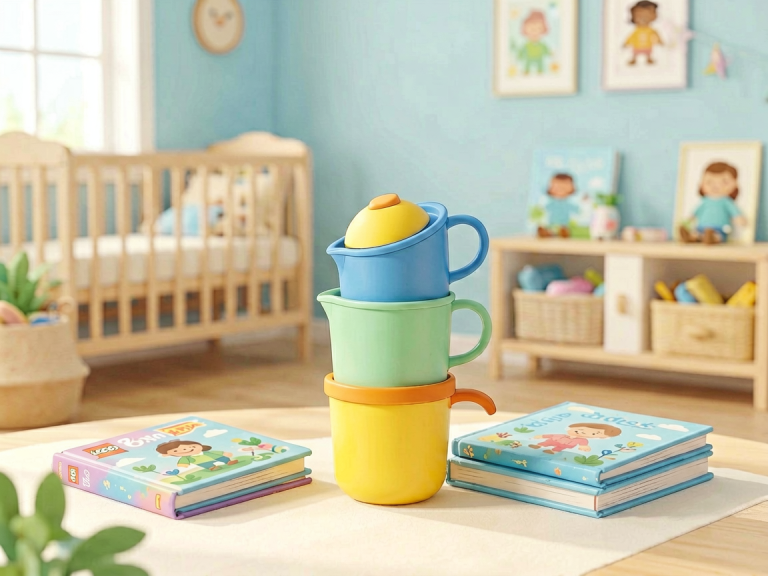
Rather than worrying about whether action figures are safe, parents can easily choose alternatives that provide equal sensory stimulation without the dangers. Safe toy choices for babies include: large, soft blocks made of closed-cell foam; rattles that are over 4 inches long; teething rings made of food-grade silicone; soft fabric books with crinkly pages; stacking cups with rounded edges; and stuffed animals with securely stitched eyes and no small accessories. For families who want to introduce a baby to their favorite franchise, look for character-themed board books, songbooks, or plush toys that are specifically certified for “all ages.” These items engage visual and tactile senses without sharp or detachable components. As the baby grows into a toddler (after age 3), parents can gradually introduce small action figures, but only after testing their resilience and ensuring all accessories are kept in a sealed container.
The Transition Period: Introducing Action Figures Safely After Infancy
Once a child celebrates their second or third birthday, action figures can become a wonderful tool for language development, emotional expression, and fine motor skill practice. At this age, the child no longer mouth items as persistently, but caution is still needed. Check each figure for loose limbs before every play session. Discourage any play that involves putting figures near the face. Teach the child to keep accessories in a bucket and only use them under direct adult supervision. For children with developmental delays, even at age three, the same oral exploration may persist. In that case, postpone action figures until the child consistently outgrows mouthing behavior. It is also wise to avoid highly detailed, realistic figures with many tiny jointed parts. Choose figures that are sturdy, contoured, and have painted-on details rather than detachable weapons.
Conclusion: Safety Should Never Be Compromised for Cuteness
In summary, the question “are action figures safe for babies?” has a clear, evidence-based answer: No, not in their conventional form. The combination of small, breakable parts, potential chemical toxins, sharp edges, long capes, and electronic components makes them hazardous for infants under three years of age. The risks of choking, strangulation, chemical exposure, and internal injuries are too severe to ignore. While it may be tempting to share a cherished childhood toy with a baby, doing so could cause a tragic, preventable accident. The good news is that the toy industry now offers secure, baby-safe alternatives that still capture the joy of heroes and characters. By adhering to age labels, performing the small-parts test, and choosing soft, seamless designs, parents can keep their babies safe while nurturing a lifelong love of imaginative play. Always remember: when in doubt, leave the action figure on the shelf—and reach for a soft block instead. Your baby’s life and health depend on that simple, informed choice.