Are Robot Toys Worth It for Independent Play?
Robot toys have become one of the fastest-growing categories in the children’s toy market. From programmable coding bots to furry interactive pets, these gadgets promise engagement, education, and entertainment. But for parents, one question lingers: are robot toys worth it for independent play? The answer is not a simple yes or no. It depends on the type of robot, the age of the child, and, most importantly, how the toy is designed to be used. When chosen carefully, robot toys can spark creativity and self-directed learning. When chosen poorly, they can become expensive sources of passive entertainment that children abandon after a week. This article explores both sides to help you decide whether robot toys deserve a place in your child’s playroom.
The Appeal of Robot Toys
Robot toys are undeniably attractive. They move, light up, respond to voice commands, and sometimes even appear to have personalities. For a child, a robot feels like a magical companion—something that is almost alive but still under their control. This appeal is powerful in the context of independent play, because a child who is fascinated by a toy is more likely to engage with it without parental involvement.
Moreover, many robot toys are marketed as educational. They teach coding basics, problem-solving, and logical thinking. Parents hope that these toys will not only entertain but also build skills that will matter in a technology-driven future. In a world where screens dominate, robot toys seem like a healthier alternative: they offer interactivity without a glowing rectangular screen, and they often require physical manipulation or spatial reasoning.
What Independent Play Really Means
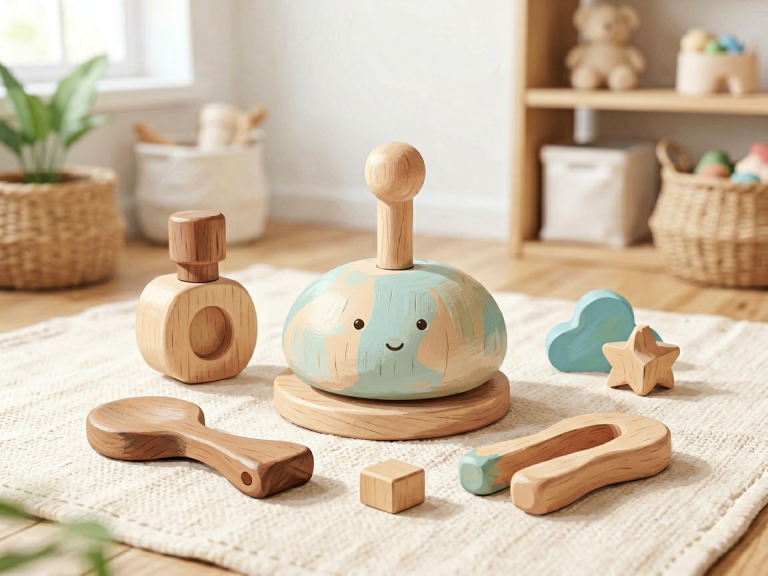
Before judging robot toys, it is important to understand what independent play actually requires. Independent play is not simply being alone with a toy. It is the ability to create, explore, and entertain oneself without constant adult guidance. The best toys for independent play are open-ended: blocks, dolls, art supplies, and construction sets. These items do not tell the child what to do; instead, they invite the child to invent scenarios, solve problems, and exercise imagination.
A robot toy, by contrast, often arrives with a fixed set of behaviors. It can move forward, turn, make sounds, or follow a line. If the toy’s programming is rigid, the child may quickly exhaust all its tricks. The toy becomes predictable, and the child loses interest. On the other hand, if the robot is programmable or modular, it can become a tool for endless experimentation. The key is whether the toy places the child in the role of creator or merely spectator.
The Benefits: When Robot Toys Shine
Robot toys can be excellent for independent play when they encourage active participation. Consider a buildable robot kit. The child must assemble the pieces, connect the sensors, and figure out why the robot is not working. This process involves trial and error, patience, and problem-solving—all hallmarks of high-quality independent play. Even after the robot is built, the child can modify it, add new parts, or program new movements. Such toys are not passive; they demand mental engagement.
Coding robots, such as small bee-shaped or car-shaped devices that respond to arrow commands, also support independent learning. A child can sit alone with the robot and a set of challenge cards, figuring out how to get the robot from point A to point B. This is a self-contained puzzle that rewards persistence. When the child succeeds, the sense of achievement is genuine and self-earned. These moments build confidence and autonomy, which are exactly what independent play should foster.
Another benefit is that some robot toys serve as imaginative companions. For children who are shy or who enjoy role-playing, a pet-like robot can be a wonderful outlet. The child might feed it (with fake food), put it to bed, or take it on adventures. Unlike a passive stuffed animal, the robot responds, which makes the imaginary world feel more real. This kind of play helps develop empathy, narration, and social skills—even when the child is playing alone.
The Drawbacks: When Robot Toys Fall Short
The biggest problem with many robot toys is that they are too prescriptive. A robot that performs a set of five actions and then repeats them offers little long-term value. Once the novelty wears off—often after just a few days—the robot sits in a corner collecting dust. Unlike a set of wooden blocks, which can be used in a hundred different ways, a simple robot has a narrow range of use. This makes it a poor investment for independent play, especially for children under six.
There is also the issue of passivity. Some robot toys are essentially screen-like experiences disguised as physical toys. They flash lights, play music, and deliver pre-recorded jokes, but the child is just a spectator pressing a button. This type of interaction does not build concentration or creativity. In fact, it can fragment attention, because the toy is constantly interrupting itself with sounds and animations. A child may become dependent on the toy’s stimulation rather than developing their own inner resources.
Cost is another factor. High-quality robot toys that genuinely support independent play—such as advanced building kits or programmable robotics—are expensive. Budget robot toys, on the other hand, often sacrifice quality and developmental value. Parents may end up spending a significant amount of money on a toy that is either too advanced for the child or too shallow to hold their interest. In such cases, the question “are robot toys worth it for independent play?” has a sad answer: not really.
How to Choose Wisely
If you are considering a robot toy for your child, there are several ways to increase the chances that it will support independent play. First, look for open-ended features. Can the child change the robot’s behavior? Is there a programming component? Can it be rebuilt or customized? Toys that allow modification are almost always better than fixed-function robots.
Second, consider the child’s age and attention span. A three-year-old does not need a coding robot. A better choice is a simple interactive companion that responds to touch and sound. For a seven-year-old, a programmable robot with sensors and obstacles is more appropriate. The toy should challenge the child without causing frustration.
Third, think about what the child will do after the first session. A good robot toy should have a progression of challenges. It should offer new possibilities as the child masters basic functions. If the toy has a finite set of features, it will not sustain independent play. Instead, look for toys that are part of a larger system, where additional kits or accessories expand the experience.
Finally, read reviews from other parents. Pay attention to comments about durability, battery life, and whether children actually play with the toy after the initial excitement. Often, the best indicator of a worthwhile toy is whether it encourages the child to ask questions like “What happens if I put this piece here?” or “How do I make it go faster?”
The Verdict: It Depends on Design and Child
So, are robot toys worth it for independent play? The honest answer is: sometimes. A well-designed robot toy can provide hours of self-directed exploration, teach valuable skills, and even become a beloved companion. It can be a bridge between physical play and digital thinking, helping children learn that technology is not just something to consume, but something to create.
However, a poorly designed robot toy can be little more than a shiny distraction. It fosters passive watching rather than active doing, and it quickly loses its charm. In those cases, the money would be better spent on classic toys like magnets, construction sets, or art materials—items that never stop offering new possibilities.
The ultimate decision should be based not on the toy’s price tag or its flashy features, but on its ability to put the child in charge. If the robot makes the child think, tinker, and imagine, it is worth every penny. If it merely performs for the child, it is not worth much at all. By choosing robot toys that are open-ended, age-appropriate, and genuinely interactive, parents can confidently answer yes—robot toys can be a valuable tool for independent play. But as with any toy, the magic comes not from the robot itself, but from what the child is inspired to do with it.