The Trap of Plenty: How Overbuying Holiday Toys Backfires
Every December, millions of parents find themselves standing in crowded toy aisles, cart piled high with brightly colored boxes. The intention is pure: we want to see our children’s eyes light up on Christmas morning. But somewhere between the third “must-have” drone and the fifth plush dinosaur, a subtle line gets crossed. Overbuying holiday toys—a mistake so common it feels almost traditional—rarely delivers the joy we imagine. In fact, it often creates stress, waste, and a strange sense of emptiness. Understanding why we overbuy, what it costs us, and how it affects our children is the first step toward a saner, happier holiday season.
Why We Overbuy: The Psychology of the Pile
The urge to overbuy is not simply greed or bad planning; it is fueled by a powerful combination of marketing, memory, and parental guilt. Retailers spend billions on advertising that links the number of gifts under the tree with the quality of family love. Every commercial shows a child shrieking with delight as they tear through wrapping paper after paper. We internalize that image, and then we compare our own modest tree to the lavish displays we see on social media. This is known as “social comparison” and it is a reliable driver of overspending. We fear that if we buy fewer toys, we are somehow loving less.
Another psychological factor is the “scarcity rush.” Limited-time deals, doorbuster sales, and “only 3 left in stock” messages trigger a primal fear of missing out. In that adrenaline-fueled moment, we buy things we never planned to buy. We also tend to overestimate how much pleasure a child will get from each individual item. To a child, the difference between ten gifts and twenty gifts is not “twice as much joy.” But to a parent scrolling through their cart, more always seems better. The result is a pile of toys that exceeds any reasonable need—and yet the shopping doesn’t stop because the emotional reassurance of buying is addictive.
The Hidden Costs of Excess: Money, Time, and Space
The most obvious cost of overbuying is financial. The average family in the United States spends hundreds of dollars on holiday toys each year, and a significant portion of that goes to items that are forgotten by January 15th. That money could have been used for family experiences, savings, or charitable giving. But the hidden costs are even more painful. Overbuying consumes enormous amounts of time: hours spent browsing online, reading reviews, driving from store to store, and then wrapping dozens of boxes. This is time that could have been spent baking cookies, watching a movie, or simply talking with loved ones—the very moments we say we want to create during the holidays.
Then there is the physical clutter. Most homes are not designed to accommodate an avalanche of new possessions. After the holidays, parents face the daunting task of finding storage space for the new toy influx. The basement fills up, the playroom overflows, and inevitably some toys end up broken or lost. This clutter creates a background hum of stress that experts call “visual noise.” Studies show that cluttered environments increase cortisol levels, making people feel anxious and overwhelmed. So the “gift of abundance” becomes a source of daily tension. Worse, many of these toys are made of non-recyclable plastic. They will eventually end up in landfills, contributing to a serious environmental problem. Overbuying is not just bad for your wallet—it is bad for the planet.
The Impact on Children: Less Play, More Overload
Perhaps the most counterintuitive harm of overbuying is its effect on children’s development and happiness. Psychologists have studied the relationship between the number of toys and the quality of play for decades. The evidence is consistent: children engage in longer, more creative, and more focused play when they have fewer options. In one well-known study, toddlers were given a small selection of toys and then a large one. With fewer toys, they played with each item longer and invented more complex scenarios. With many toys, they flitted from one object to the next, rarely giving any single toy much attention. This is the phenomenon of “cognitive overload.” Too many choices can paralyze a young mind, leading to restlessness and shortened attention spans.
Moreover, overbuying sends a subtle but powerful message to children: that happiness is found in the acquisition of things. When children receive dozens of gifts at once, they learn to take the explosion of presents for granted. They become habituated to abundance, and their threshold for excitement rises. By mid-January, they are already asking for more. This cycle breeds gratitude deficits. Children who receive more often appreciate less, not because they are spoiled by nature, but because the sheer volume of gifts makes each one lose its specialness. The toy they were desperate for in November becomes just another object in a pile. Overbuying robs toys of their magic, and it robs children of the chance to cherish something.
Smarter Holiday Toy Strategies: Quality Over Quantity
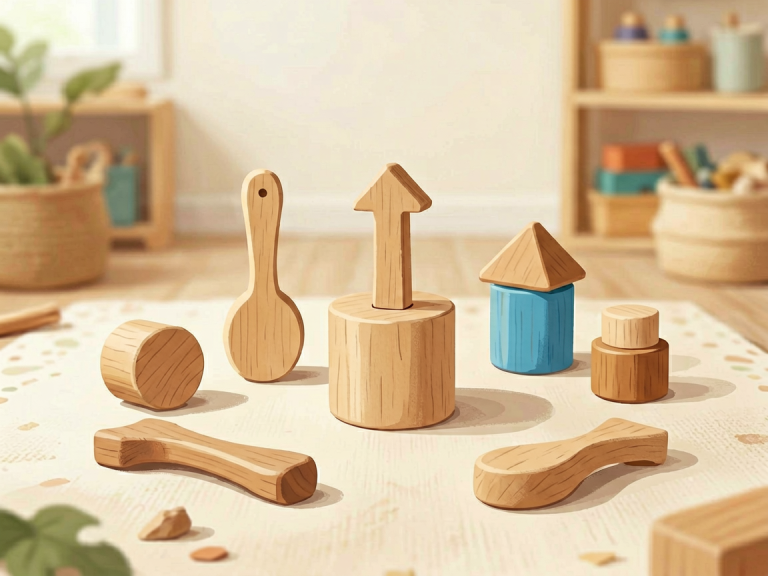
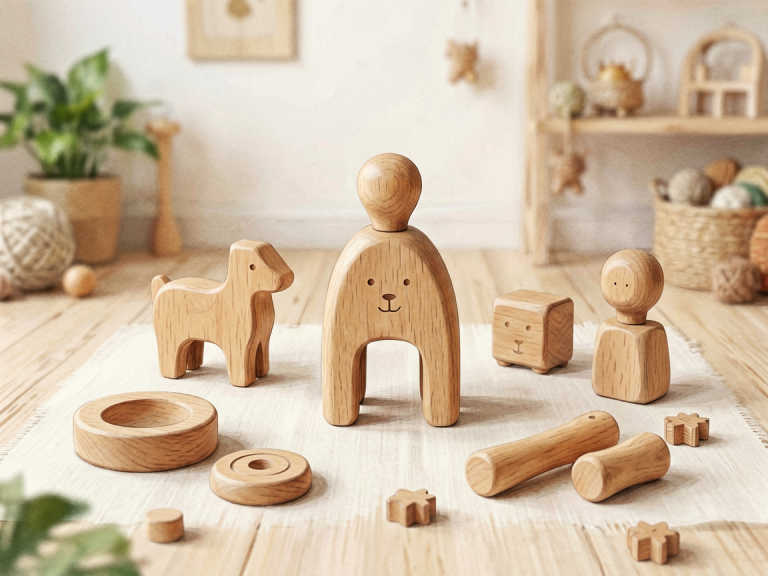
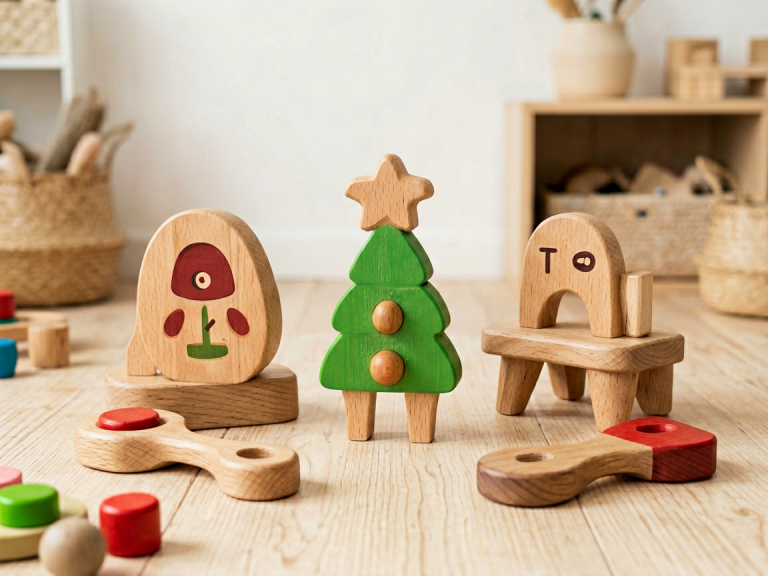
The good news is that we can break the cycle of overbuying. The first step is to set a firm number of gifts before you step into any store. A useful framework is the “four-gift rule”: something they want, something they need, something to wear, and something to read. This forces you to think carefully about each purchase, and it gives children a generous yet manageable holiday. If four feels too strict, try a limit like “six gifts from us, plus one from Santa.” The key is that the number is fixed in advance, not discovered in the heat of a sale.
The second strategy is to shift the focus toward experiences rather than objects. Research shows that children remember experiences—a trip to the ice rink, a family game night, baking a cake—much more vividly than they remember a particular action figure. Instead of buying ten toys, buy three good toys and use the saved money to plan a winter outing or a special dinner. You can also encourage giving. Divide the toy budget into three parts: one for your child, one for a friend or cousin, and one for a child in need. This teaches empathy and generosity, turning the holiday from a shopping spree into a meaningful ritual.
Finally, practice the art of delayed gratification. When your child clamors for the latest gadget, don’t buy it on the spot. Write it down on a list with a date. Wait two weeks. If they still want it after the holiday frenzy, you can consider it for a birthday. Often, the fever fades, and the toy was never the source of true joy anyway. On holiday morning, watch your child play with a single toy for an hour. That is the real gift: undivided attention, in a room that isn’t buried in plastic. Less truly is more.
In the end, overbuying holiday toys is a mistake we can avoid. It drains our wallets, clutters our homes, and confuses our children’s young minds. This December, choose differently. The best gift under the tree is not the one that makes the biggest noise—it is the one that gets played with all year, and the family that has time to play it together.