The Trap of Choosing Toys with Limited Play Value for 4-Year-Olds
Why We Fall for the Shiny Box
Walk into any toy store, and you will see shelves overflowing with bright, blinking, singing, and moving objects. Many of these toys are marketed directly at four-year-olds, who are at an age of intense curiosity, imagination, and rapid language development. It is easy to believe that the more a toy does, the more educational or entertaining it must be. Yet parents and gift-givers often make the same mistake: choosing toys with limited play value for 4 year olds, then wondering why the child loses interest within days, or even minutes.
Limited play value does not necessarily mean a toy is cheaply made. It means the toy offers few opportunities for open-ended, creative, or repeated engagement. A battery-powered robot that walks and speaks three phrases may amuse a preschooler for an afternoon, but once the novelty wears off, the child simply presses the same button and watches the same predictable script. There is no room for the child to invent, modify, or control the experience. The toy essentially plays with the child, rather than the child playing with the toy.
What “Limited Play Value” Actually Means
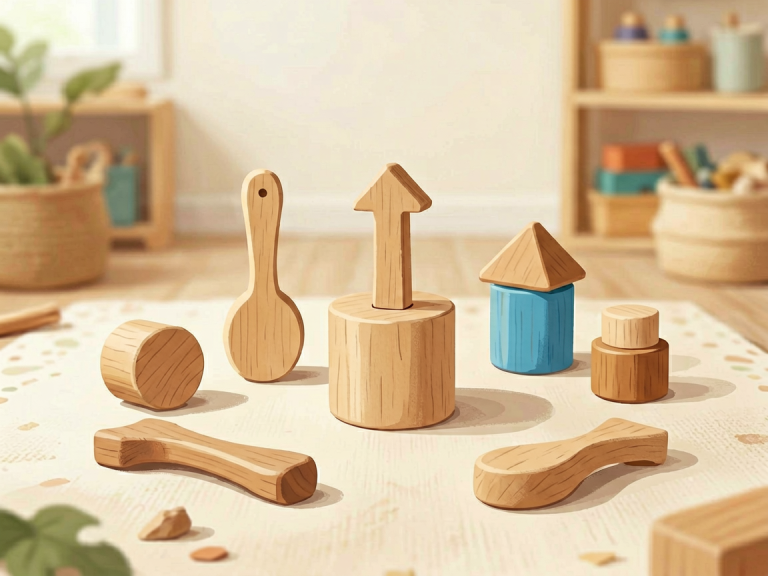
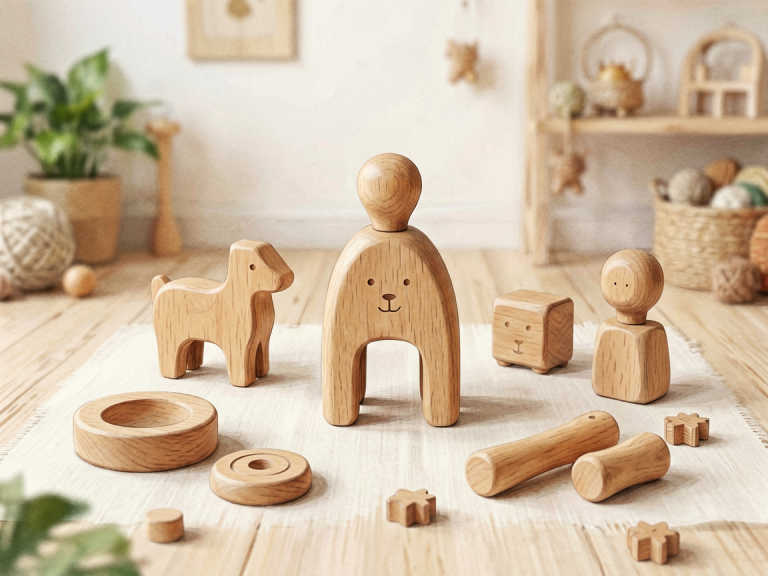
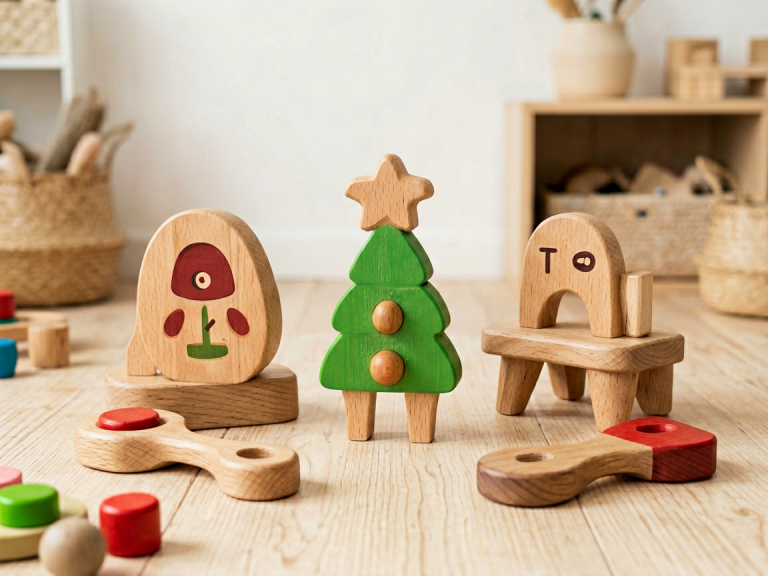
To understand limited play value, we need to look at the nature of play itself. For a four-year-old, play is not just entertainment; it is how they make sense of the world. They build, sort, pretend, negotiate, and experiment. The most valuable toys are those that act as flexible tools for these processes. A set of wooden blocks, for example, can be a tower, a bridge, a garage, a spaceship, or a family of animals. It invites the child to decide. Its play value is almost limitless.
A toy with limited play value, by contrast, has a fixed script. It may have one obvious function: a plastic fire truck that makes siren sounds and shoots a water-like spray. Once the child has activated all its features, there is little to discover. The toy cannot be transformed into something else. It does not respond to the child’s ideas; it simply repeats its own. Many such toys also require adult help, need batteries, or break easily, which further reduces opportunities for autonomous play.
Another common example is the hyper-franchised character toy. A four-year-old who loves a certain cartoon may beg for the plastic spaceship or the talking princess doll. While these toys can spark imagination, many are designed as static collectibles rather than play materials. They look like the character, but they cannot be dressed, posed, or incorporated into complex stories. The child may display it on a shelf or hold it for a few minutes, but the lack of manipulability leads to boredom. The result is a pile of expensive objects that are looked at, not played with.
The Hidden Cost for a Four-Year-Old
Choosing toys with limited play value for 4 year olds has consequences beyond wasted money. At four, children are developing crucial skills: executive function, problem-solving, social cooperation, and emotional regulation. Open-ended play supports all of these. When a child builds a fort out of pillows and chairs, she must plan, troubleshoot, and negotiate. When two children turn a cardboard box into a pirate ship, they practice language and conflict resolution. These experiences are the foundation of early cognitive growth.
Passive toys undermine these opportunities. If a child is mainly pressing buttons and watching electronic reactions, he is engaging in something closer to screen time than active play. His brain is being stimulated, but his hands, body, and voice are not fully involved. He is not constructing, creating, or collaborating. Over time, this can shorten attention spans and reduce tolerance for the slower, more demanding process of imaginative play. A child who expects every toy to flash, buzz, or sing may come to find plain blocks and crayons boring.
There is also an emotional cost. Toys with a fixed script often lead to frustration when the script fails or when the child cannot control the outcome. A four-year-old may become angry if the remote-controlled car hits the wall and cannot be turned easily. A simple wooden car, in contrast, can crash, flip, be repaired, or be transformed into a truck carrying toy bricks. The child is in charge. This sense of mastery is vital for confidence.
How to Choose Better: Questions That Work
The good news is that avoiding limited play value does not require a huge budget or a degree in child development. It simply requires asking a few practical questions before buying any toy. First: “Can this toy be used in more than one way?” If the answer is no, the play value is likely limited. A set of magnetic tiles can be a house, a garden, a robot, or a maze. A single-function electronic guitar with built-in songs cannot become anything else.
Second: “Is the child the actor or the spectator?” A toy that waits for the child to push, pull, move, stack, or decide is ideal. A toy that performs on its own, or after a single button press, turns the child into a spectator. For a four-year-old, the best toy is ninety percent child and ten percent toy.
Third: “Will this toy remain interesting in six months?” Trends change quickly, but developmental needs do not. A four-year-old who loves to draw will still love crayons and paper a year later. A puzzle that has one solution may be solved and abandoned, whereas a set of building blocks can grow more interesting as the child’s skills grow. Consider toys that can be combined with other toys. Dolls that fit in different clothes, train tracks that connect in endless loops, and art supplies that can be used with leaves, buttons, and fabric all have high play value.
Fourth: “Does the toy encourage connection with others?” Four-year-olds are learning how to share, take turns, and cooperate. Toys that invite two or more children to play together, such as simple board games, giant cardboard bricks, or puppets, support social development. Toys that have one loud button and no interactive component tend to isolate the child or cause conflicts over who gets to press it.
Finally, remember that the child’s imagination is the real toy. A set of plain wooden figures, a collection of stones, or a cardboard box can provide more play value than the most expensive electronic gadget. The phrase “limited play value” is not about price or popularity; it is about possibility. Every time we choose a toy that allows a four-year-old to imagine, build, and control, we are choosing more than a gift. We are choosing to protect their ability to play deeply.
Conclusion: Less Flash, More Play
The next time you are tempted by an eye-catching, battery-operated toy, pause and think about the keyword: choosing toys with limited play value for 4 year olds is a well-meaning mistake, but it is still a mistake. Four-year-olds do not need toys that do everything for them. They need toys that do almost nothing, so that they can do everything. A stick can be a wand, a fishing pole, or a magic flute. A blanket can become a castle roof. A pile of blocks can become a city. These are not just toys; they are invitations to think, create, and grow.
When we choose carefully—choosing simple, open-ended, durable materials over flashy, restrictive gadgets—we show respect for the child’s natural abilities. We give them space to be active, curious, and inventive. That is the real gift. And in a world full of noise and lights, the quiet toy is often the one that speaks loudest to a four-year-old’s imagination.