Dolls vs. Plush Toys: A Comparative Exploration of Two Beloved Playthings
Introduction
From the softest bedtime companion to the most cherished collectible on a shelf, the world of children’s and adults’ toys is rich with variety. Among the most iconic categories are dolls and plush toys—two forms of playthings that, while often grouped together, possess fundamentally distinct characteristics and serve different emotional and developmental roles. A doll typically refers to a figurine representing a human, often with articulated limbs, detailed facial features, and clothing, whereas a plush toy (also known as a stuffed animal or soft toy) is a fabric-stuffed creature, usually representing an animal or a fantasy character, designed to be hugged and squeezed. Despite their apparent differences, both have evolved alongside human culture, offering comfort, imagination, and companionship. This article compares dolls and plush toys across several dimensions, including historical origins, materiality, emotional bonding, educational value, collectibility, and modern reinterpretations. By examining these aspects, we can appreciate why each type holds a unique place in our hearts and homes.
Historical Origins and Cultural Significance
The history of dolls stretches back millennia. Ancient dolls made from clay, wood, and bone have been discovered in Egyptian tombs, Greek archaeological sites, and Roman households. These early figures were often used in religious rituals or as burial objects, symbolizing protection and continuity. Over time, dolls became playthings for children, reflecting societal roles—dolls dressed in the latest fashions taught girls domestic skills, while warrior dolls prepared boys for battle. In contrast, plush toys have a much shorter history. The first commercially successful stuffed toy was the teddy bear, inspired by a hunting incident involving President Theodore Roosevelt in 1902. The soft, huggable bear quickly became a global phenomenon, giving rise to an entire industry of stuffed animals. While dolls have traditionally carried a human narrative—representing mothers, babies, or fictional characters—plush toys have drawn on the animal kingdom, evoking the comfort of pets and the wild. Culturally, dolls often mirror human aspirations and anxieties, from Barbie’s evolving body image to the handmade waldorf dolls that emphasize simplicity. Plush toys, by contrast, are more universal in their appeal; a bunny or a bear transcends language and culture, offering a non-judgmental embrace.
Materiality and Craftsmanship
The physical construction of dolls and plush toys reveals significant differences in design philosophy. Dolls are typically made from hard materials such as plastic, porcelain, vinyl, or resin, with joints that allow poses. Their faces are carefully sculpted and painted, often with rooted hair or wigs. The craftsmanship of high-end collectible dolls can involve detailed costuming, tiny accessories, and realistic skin tones. In contrast, plush toys are composed of soft fabrics—fleece, cotton, faux fur, or velvet—filled with synthetic fiber, polyester stuffing, or even beans for weight. Their key feature is tactility: the surface is designed for tactile comfort, and the stuffing allows for squishing and hugging. A plush toy’s face is usually embroidered or made from safety eyes, minimizing choking hazards. The manufacturing process differs accordingly: doll production requires molding, painting, and assembly of many small parts; plush toy manufacturing involves cutting patterns, sewing, and stuffing. This material divergence shapes how we interact with each. A doll invites careful handling, dressing, and display; a plush toy invites hugging, squeezing, and sleeping with. The durability of a plush toy is often tested by repeated washing and hugging, while a doll’s hair and limbs may require more delicate care.
Emotional Bonds and Psychological Roles
Psychologically, both dolls and plush toys serve as transitional objects—items that help children bridge the gap between dependence on parents and independence. However, the nature of the bond differs. A doll often represents a human other, allowing a child to practice empathy, caregiving, and social roles. By feeding, dressing, and talking to a doll, a child rehearses adult behaviors and processes emotions. For example, a child who is anxious about a new sibling might act out scenarios with a baby doll. Plush toys, on the other hand, function more as comfort objects. Their softness and warmth mimic the sensation of being held, and they are frequently used for self-soothing during sleep or stress. The fact that plush toys are often given names and treated as friends—rather than as peers or children—highlights their role as silent confidants. Adult collectors also demonstrate this difference: doll collectors often focus on aesthetics, rarity, and historical value, while plush toy collectors celebrate softness, cuteness, and the sentiment of a comforting presence. Additionally, dolls can evoke uncanny feelings due to their human likeness (the “uncanny valley” effect), whereas plush toys almost universally trigger positive associations with safety and innocence.
Educational and Developmental Functions
In developmental psychology, both dolls and plush toys contribute to learning, but in distinct ways. Dolls are potent tools for imaginative play that involves narrative building. A child projecting stories onto a doll develops language skills, problem-solving abilities, and emotional intelligence. Dolls are also used in therapeutic settings to help children articulate trauma or practice social interactions. For example, dolls with different skin tones or disabilities can teach inclusivity and empathy. Plush toys, particularly in early childhood, support sensory development and motor skills. The act of grasping, squeezing, and carrying a plush toy helps fine motor coordination. Moreover, plush animals are frequently used in educational contexts to teach animal recognition, colors, and textures. Many children’s books feature plush characters that children can touch while reading, reinforcing multi-sensory learning. In therapeutic settings, plush toys are often less intimidating than human-like dolls; a child who cannot speak about feelings may project them onto a teddy bear. Gender-neutrality also emerges here: while dolls have historically been marketed to girls, plush toys are broadly accepted across genders, making them versatile educational aids.
Collectibility and Market Trends
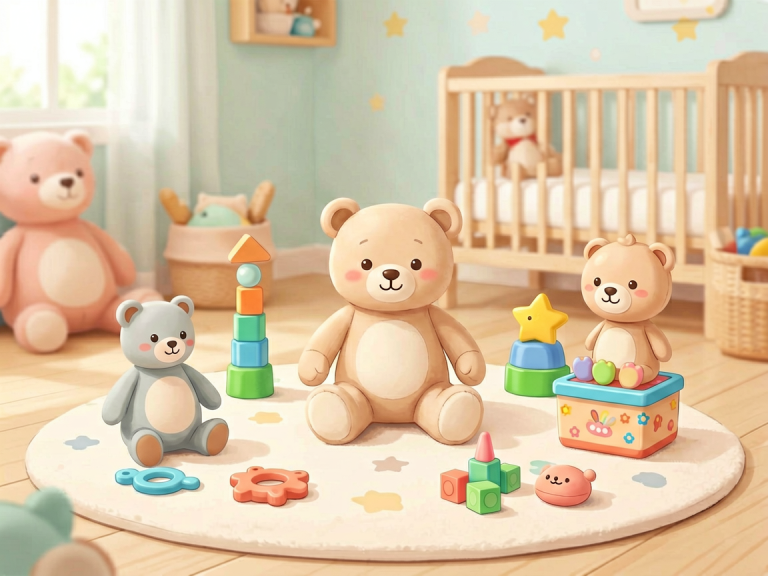
The markets for dolls and plush toys have evolved into distinct industries with devoted fan bases. Doll collecting is a serious pursuit involving limited editions, artist dolls, and antique valuations. Brands like Barbie, American Girl, and Blythe command high prices for rare releases, and collectors often seek dolls with pristine boxes, original outfits, and unique face molds. The secondary market for vintage dolls can be extremely competitive. In contrast, plush toy collecting is more driven by emotional attachment and brand affinity. The rise of plush brands like Jellycat, Build-A-Bear, and Steiff has created a global community of enthusiasts who prize softness, design, and narrative. “Huggable” is the key metric rather than articulation. Additionally, the internet has fueled a niche called “plushie culture” where artists create custom plush designs based on original characters or fan art. While doll collecting often involves display maintenance—keeping dolls in glass cases to avoid dust—plush collectors frequently display their toys openly, rotating them for cuddliness. Interestingly, hybrid categories have emerged, such as “plush dolls” that combine a soft fabric body with a plastic head, appealing to those who want the best of both worlds.
Modern Interpretations and Hybrid Forms
In recent years, the boundary between dolls and plush toys has blurred. Designers have introduced dolls with soft, fully cloth bodies and embroidered faces, making them more huggable. Conversely, some plush toys now come with posable wire frames or magnetic limbs, allowing them to stand or hold accessories. The phenomenon of “rebranding” also appears: character-based merchandise often straddles the line—for instance, a plush toy of a cartoon human (like Mickey Mouse) is technically a plush, but its human-like features invite doll-like play. Another modern trend is the emphasis on diversity and customization. Both dolls and plush toys are now produced in a wide range of skin tones, body types, and representations of disability. Furthermore, interactive technology has invaded both categories: dolls that can speak, sing, or respond to touch, and plush toys that contain speakers or sensors for bedtime stories. These innovations reshape how children and adults engage with these playthings, but the fundamental dichotomy remains: dolls represent a human mirror, while plush toys represent a comforting companion.
Conclusion
Dolls and plush toys, though often mentioned together, are distinct creatures in the toy kingdom. Dolls invite narrative, role-play, and cultural reflection; plush toys offer tactile comfort, unconditional friendship, and sensory solace. Their historical roots diverge—dolls as ancient human representation, plush toys as modern cuddle inventions. Their materials dictate how we care for them: dolls demand display and careful handling; plush toys demand hugs and occasional washing. Psychologically, they fill different emotional niches: dolls help us practice human relationships; plush toys help us soothe our inner child. Educators and therapists recognize both as valuable, yet they apply them in different contexts. Collectors pursue them with passion, and modern design continues to push hybrid forms. Ultimately, whether a child prefers a doll or a plush toy—or both—reveals something about their personality, but the deeper truth is that both satisfy a universal human need: the desire for a safe, responsive, and enduring friend. In a world that often rushes, both dolls and plush toys remind us to slow down, imagine, and hold onto something soft.