Dolls vs. Plush Toys: Which Offers More Lasting Value for Childhood Development?
Introduction
The debate over whether dolls are better than plush toys is not merely a matter of personal preference—it touches on psychology, education, safety, and even cultural traditions. For generations, parents, educators, and toy manufacturers have argued about which type of companion offers the greatest benefits to children. Dolls, with their human-like features and potential for role-playing, have long been celebrated for fostering empathy and social skills. Plush toys, on the other hand, are often prized for their softness, comfort, and ability to soothe anxious little ones. But which category truly wins the “better” label? This article will explore the question from multiple angles, including emotional attachment, developmental impact, durability, safety, and creative play. By examining each dimension in detail, we will arrive at a balanced conclusion—one that acknowledges that the answer depends heavily on the child’s age, personality, and specific needs. Ultimately, while both have irreplaceable merits, dolls may hold a slight edge in certain critical areas of development, whereas plush toys excel in providing unconditional comfort and tactile security.
Emotional Attachment and Comfort
The Soothing Power of Plush Toys
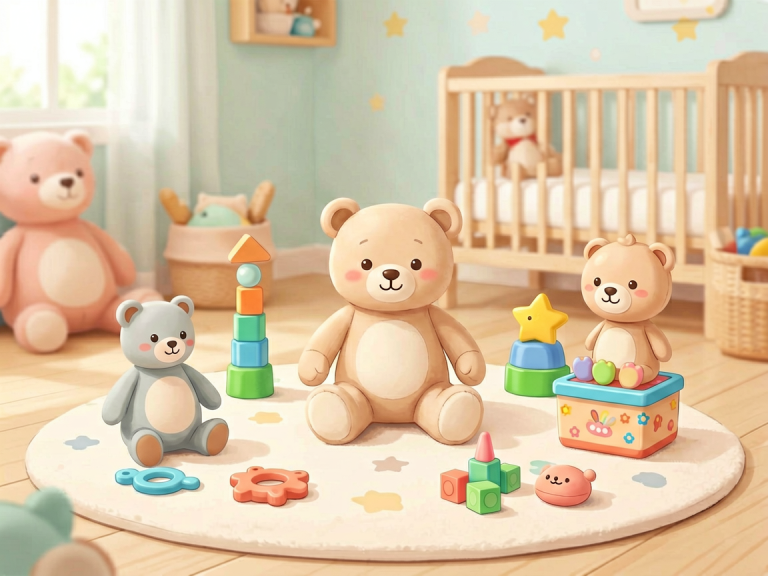
Plush toys are often a child’s first best friend. Their soft, huggable bodies mimic the warmth of a parent’s embrace, making them ideal transitional objects. Psychologists have long noted that toddlers and preschoolers frequently attach to a specific stuffed animal, carrying it everywhere and insisting on sleeping with it. This attachment, known as a “security blanket” phenomenon, helps children manage separation anxiety and cope with unfamiliar environments. The tactile sensation of fur or fabric is inherently calming—a fact supported by research on sensory regulation. Moreover, plush toys do not demand anything from the child; they are passive recipients of affection, which can be especially comforting during times of stress or illness. For instance, a child who has just started daycare may clutch a worn bunny tightly, finding solace in its predictable softness when faced with new faces and routines.
Dolls and Emotional Role Modeling
Dolls, however, offer a different kind of emotional bond. Because they are designed to resemble humans, they invite projection and imitation. A child can assign emotions, names, and stories to a doll, effectively using it as a mirror for their own feelings. This act of projection is crucial for emotional intelligence. When a child pretends the doll is sad and then comforts it, they are practicing empathy—they learn to recognize and respond to emotions in others. Additionally, dolls often come with accessories like clothes, bottles, or strollers, enabling children to reenact caregiving scenarios. This role-playing is not merely fun; it helps children process their own experiences. For example, a child who has just become an older sibling might use a doll to practice gentle holding and feeding, thereby transferring their own emotions about the new baby onto the toy. In that sense, dolls serve as powerful tools for emotional regulation and social learning, going beyond simple comfort.
Developmental and Educational Benefits
Cognitive and Language Growth Through Doll Play
One of the strongest arguments for dolls is their role in cognitive development. When a child engages in pretend play with a doll, they must create narratives, assign roles, and solve imaginary problems. This process stimulates language production because children often talk to their dolls, narrating actions and dialogues. Studies in early childhood education have shown that children who regularly play with dolls exhibit more advanced vocabulary and sentence complexity compared to those who prefer non-figurative toys. Furthermore, dolls encourage sequencing—a child might plan a day for her doll: wake up, brush teeth, eat breakfast, go to school. Such sequences build memory and organizational skills. Plush toys, while they can be part of imaginative play, are less likely to inspire complex stories because they lack the humanoid features that naturally invite conversation and narrative. A stuffed bear can be a friend, but it rarely becomes the protagonist of a detailed story arc the way a doll does.
Motor Skills and Self-Help Skills
Dolls also support fine motor development. Dressing and undressing a doll, buttoning its tiny clothes, brushing its hair, or feeding it with small utensils all require precise hand-eye coordination. These activities mimic real-life self-care tasks, helping children gain autonomy. Plush toys, by contrast, are usually static; a child might hug or squeeze them, but there are fewer manipulative tasks involved. Some plush toys come with zippers or pockets, but the variety is limited. For children with developmental delays or those who need extra practice with fine motor skills, dolls can be a therapeutic tool. Moreover, dolls often inspire children to imitate adult behaviors, such as cooking, cleaning, or caring for a baby, which fosters a sense of responsibility and independence.
Safety and Hygiene Considerations
Physical Safety
From a safety standpoint, both dolls and plush toys have potential hazards, but they differ. Plush toys are generally soft and pose a lower risk of injury from impact; a child can throw a stuffed bear across the room without hurting anyone. However, plush toys can be a suffocation risk for infants if they are too large or have loose parts like button eyes or ribbons. They also accumulate dust mites and allergens easily, requiring frequent washing. Some cheap plush toys may contain toxic dyes or flame retardants, though reputable brands are increasingly safe. Dolls, especially those made of hard plastic, can be more dangerous if thrown; they might have sharp edges, small detachable accessories (like shoes or hair ties) that pose choking hazards, and hard bodies that could cause bruising. Yet dolls are generally easier to clean—many can be wiped down or even submerged in water—whereas plush toys often need delicate machine washing or spot cleaning. In terms of long-term hygiene, dolls may be preferable for families with allergy concerns.
Emotional Safety
There is also the concept of emotional safety. Plush toys are almost universally beloved for their non-judgmental nature. A child can cry onto a stuffed puppy without fear of rejection. Dolls, however, sometimes reinforce gender stereotypes or body image issues. For instance, extremely thin fashion dolls have been criticized for promoting unhealthy beauty standards. On the other hand, modern doll manufacturers have made strides in creating diverse, inclusive dolls that represent various races, abilities, and body types. The key is parental selection. A well-chosen doll can be a positive role model; a poorly chosen one might inadvertently teach harmful lessons. Plush toys, being mostly animals or fantasy creatures, are less likely to carry such loaded cultural messages, making them a safer choice for very young children who are not yet ready to process human societal norms.
Durability and Longevity
The Battle Against Wear and Tear
When assessing which toy lasts longer, the answer is not straightforward. Plush toys suffer from fluff degradation, seam splitting, and staining. A beloved stuffed rabbit might lose its stuffing after months of hugging, and its fur can become matted and gray. Repairs are possible but not always effective. Dolls, especially those made of high-quality vinyl or plastic, can last for decades. Vintage porcelain dolls are collectible heirlooms passed down through generations. However, plastic dolls can crack, their hair can become tangled or melt, and joints might loosen. On balance, dolls tend to be more durable if handled with care, but they are also more brittle. Plush toys are forgiving but eventually wear out. For families seeking a toy that could become a lifelong keepsake, a well-crafted doll—such as a Waldorf-style cloth doll or a collectible fashion doll—might be the better investment.
The Question of Collectibility
Another angle is collectibility. The doll market is enormous, with limited-edition releases, branded series, and even doll-specific conventions. Many adults retain a deep passion for doll collecting, viewing them as art pieces. Plush toys, too, have a strong collector’s market (think Beanie Babies, Squishmallows, or Steiff bears), but the resale value and cultural prestige often skew toward dolls. For a child who develops an early appreciation for aesthetics and storytelling, dolls can grow into a lifelong hobby. Plush toys, by contrast, are more likely to be outgrown and donated. This is not a value judgment—it simply means that dolls have a higher ceiling for enduring relevance.
Creative Play and Imagination
Narrative Complexity with Dolls
Imagination is the heart of childhood, and dolls are arguably superior in sparking complex narratives. A doll can be a character in a story with a name, a family, a home, and a personality. Children can build entire worlds around their dolls—creating houses from cardboard boxes, writing dialogue, and even inventing conflicts and solutions. This kind of play is essential for developing creativity, problem-solving, and literary skills. Plush toys can certainly be part of these stories, but they often play supporting roles. A child might have a stuffed monkey that is the sidekick, but the doll is usually the protagonist. Moreover, dolls allow for detailed customization: changing clothes, styling hair, and even adding accessories like glasses or wheelchairs. This fosters a sense of agency and self-expression. For example, a child who feels powerless in real life can give their doll superpowers, a fancy career, or a magical home, thereby experimenting with identity.
The Simpler Pleasures of Plush Toys
Plush toys, however, excel in open-ended imaginative play that is less structured. A child might not need to create a detailed backstory for a plush toy; instead, they can simply enjoy its physical presence. They can use a stuffed unicorn as a pillow, a prop in a pretend game, or a companion for a tea party. This simplicity can be liberating, especially for younger children who are not ready for narrative demands. Plush toys are also more likely to be incorporated into sensory play—a child might rub the fur against their cheek, toss it in the air, or wrap it in a blanket. The imagination is not lessened; it just takes a different form. A plush toy can become a talking animal, a magical creature, or a silent confidant without the pressure of human-like realism.
Social and Cultural Factors
Gender and Play Preferences
Cultural norms heavily influence whether dolls or plush toys are considered “better.” Historically, dolls have been marketed predominantly to girls, while plush toys have been more gender-neutral (though this is changing). This gendering can limit children’s exposure to beneficial play. Boys who want to play with dolls may face social stigma, even though doll play would help them develop nurturing skills. Plush toys, being animals, are often accepted for all genders. In this sense, plush toys may be better for promoting gender equality in play. On the other hand, doll manufacturers are increasingly challenging stereotypes, offering boy dolls, racially diverse dolls, and dolls in non-traditional careers. When parents intentionally choose inclusive dolls, they can counteract gender bias.
Cross-Cultural Perspectives
Different cultures also value dolls and plush toys differently. In Japan, for example, plush toys are ubiquitous—from character merch like Hello Kitty to traditional kokeshi dolls (which are actually wooden dolls, not plush). In many Indigenous cultures, dolls are handcrafted with cultural significance, teaching children about traditional dress, roles, and crafts. Plush toys, being a Western invention, are less tied to heritage. For families wanting to preserve cultural identity, a traditional doll might be the obvious choice. Conversely, plush toys can be found globally in myriad forms, making them a universal comfort object.
Conclusion: A Matter of Purpose and Balance
After weighing the evidence, it is clear that neither dolls nor plush toys is universally “better.” Each excels in different domains. Plush toys are superior for providing immediate, unconditional comfort and sensory soothing, making them ideal for infants, toddlers, and children experiencing high stress. They are also safer in terms of impact and less likely to carry problematic cultural messages. Dolls, however, offer deeper cognitive and emotional benefits through role-playing, narrative creation, and fine motor practice. They can foster empathy, language, and self-help skills more effectively than most plush toys.
The ideal scenario is not a choice between the two, but a balanced toy environment that includes both. A child may snuggle a plush bunny at bedtime and spend the afternoon playing house with a doll. For families on a budget or with limited space, the decision might hinge on the child’s dominant play style. If a child is naturally drawn to storytelling and imitation, a doll may bring more enrichment. If a child craves physical comfort and calm, a plush toy is irreplaceable. Ultimately, the “better” toy is the one that meets the unique emotional and developmental needs of the individual child. In this sense, both dolls and plush toys are valuable tools in the noble project of childhood—and neither should be underestimated.