The Second-Hand Advantage: Why Used Toys Are a Perfect Fit for Two-Year-Olds
Introduction
Every parent of a two-year-old knows the thrill—and the frustration—of watching a brand-new toy lose its magic within days, sometimes even hours. The shiny plastic fire truck is ignored, the musical activity table is already missing a button, and the toddler’s attention has shifted to the cardboard box the toy came in. In the midst of this whirlwind of rapid development, many families are discovering a surprisingly smart alternative: used toys. Pre-owned playthings, often dismissed as hand-me-downs or garage-sale leftovers, offer a host of practical, developmental, and environmental benefits that are especially well-suited to the needs of a two-year-old. This article explores why, when it comes to toys for two-year-olds, second-hand might actually be the best choice.
The Developmental Sweet Spot: Why Two-Year-Olds Thrive on Used Toys
At age two, children are in a remarkable phase of cognitive, physical, and emotional growth. They are learning cause and effect, developing fine motor skills, and beginning to engage in simple pretend play. Yet their attention spans remain short, and their play style is often exploratory and sometimes destructive. New toys, with their pristine condition and high price tags, can create unnecessary anxiety for parents who worry about breakage. Used toys, on the other hand, have already been “broken in.” They come without the pressure of perfection.
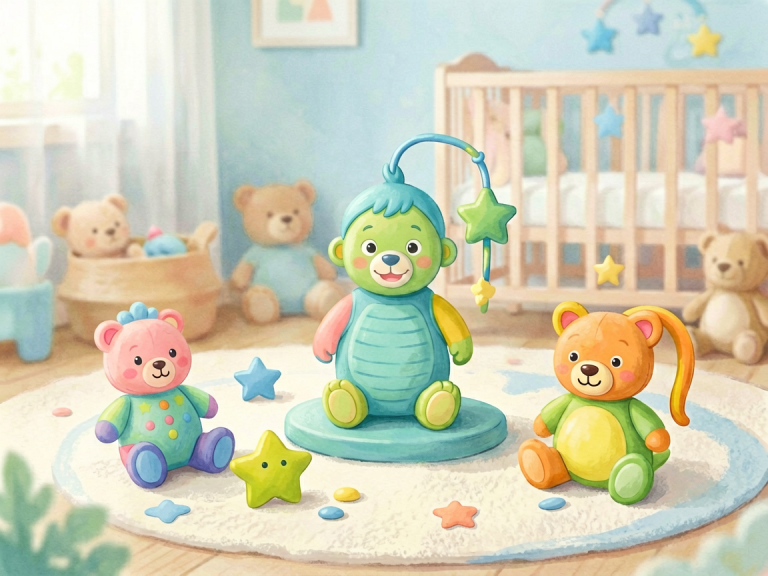
Moreover, many used toys are classics that have stood the test of time—wooden blocks, sturdy pull-along animals, simple shape sorters, and chunky puzzles. These items are often made of natural materials like wood or thick cardboard, which are not only more durable than modern plastic but also offer richer sensory experiences. A two-year-old’s developing brain craves tactile variety: the smoothness of a well-worn wooden block, the slight give of a fabric doll, the satisfying click of a well-loved stacking ring. These textures, enhanced by years of handling, can actually deepen the child’s engagement. Unlike shiny new toys that may overwhelm with flashing lights and sounds, pre-owned toys tend to be quieter and more open-ended, inviting the child to invent their own games—a critical skill for creativity and problem-solving.
Safety First: How to Inspect and Prepare Used Toys for a Toddler
Of course, safety is the foremost concern when handing any object to a two-year-old, who is likely to mouth, throw, and tug at everything. Used toys, by their nature, may come with wear and tear that new toys do not have. But with careful inspection, they can be just as safe—if not safer—than new items. New toys made overseas sometimes contain lingering chemical odors from adhesives, paints, or plastics; a used toy that has been played with, washed, and aired out for years is often free from such off-gassing.
Before allowing a two-year-old to play with a pre-owned toy, follow a simple checklist. First, check for small parts that could become choking hazards. Any toy that has components smaller than a toilet paper roll (1.75 inches in diameter) is a risk. Second, examine the surface for cracks, splinters, or sharp edges. Wooden toys with chipped paint should be sanded lightly and repainted with non-toxic paint if necessary. Stuffed animals should be machine-washable and free of loose buttons or torn seams that could expose stuffing. Electronic toys require extra care: open the battery compartment to check for corrosion or leaking batteries, and ensure the cover screws are intact. For plastic toys, look for brittle areas that could shatter. Finally, check the recall history. The U.S. Consumer Product Safety Commission website allows you to search for recalled toys; a quick scan of the brand and model can prevent hazards like lead paint or dangerous magnets. Once inspected, clean the toy thoroughly using hot soapy water (for hard surfaces) or a vinegar-and-water solution for items that cannot be submerged. Leave wooden parts to air dry completely to prevent mold. With these simple steps, a used toy can be made as safe as any new one, often with a fraction of the environmental footprint.
Economic and Environmental Wisdom: Stretching Dollars and Reducing Waste
The economic argument for used toys is compelling, especially for two-year-olds whose interests shift rapidly. A typical toddler may cycle through several categories of play in a single month: at first, they are obsessed with push toys; then they move to stacking cups; then they want anything with wheels. Buying all these new can easily cost hundreds of dollars—money that many families would prefer to save for essentials like childcare, food, or future education. Used toys, available at thrift stores, yard sales, online marketplaces, and community swap groups, typically cost a fraction of their retail price. A wooden shape-sorter that retails for $30 new might be found for $3. That saving allows parents to offer a greater variety of toys, which supports exploration and learning.
Environmental benefits are equally significant. The toy industry produces millions of tons of plastic waste each year, much of it from toys that are discarded after a few months of use. Two-year-olds are particularly notorious for “outgrowing” toys almost as soon as they are opened. By choosing used toys, families keep these items out of landfills and reduce the demand for new plastic production. They also save the energy and resources required to manufacture, package, and ship new products. In a world increasingly concerned with sustainability, this is a small but meaningful choice. Moreover, passing toys along to younger siblings, neighbors, or donation centers extends their life even further, creating a cycle of reuse that teaches toddlers early lessons about care and community—even if they are not yet old enough to understand the concept.
Cognitive and Social Enrichment: What Pre-Owned Playthings Teach Young Minds
Used toys are not just practical; they are also pedagogical goldmines. Because they are often less “prescriptive” than modern electronic toys, they encourage open-ended play. A set of used wooden blocks can become a castle, a bridge, a car, or a teetering tower—depending on the child’s mood. A second-hand dollhouse, with its faded furniture and missing pieces, invites the child to fill in the gaps with imagination. This kind of play is crucial for developing executive function, language skills, and social understanding. Two-year-olds learn to negotiate, plan, and narrate their actions. When played with alongside a parent or sibling, used toys also spark conversation. A worn-out picture book with a cracked spine, handed down from a cousin, can become a beloved ritual read that builds vocabulary and bonding.
Socially, used toys carry a story. When a two-year-old plays with a train set that once belonged to their older cousin, or a stuffed bear that was a gift from Grandma, they are connecting to a wider family narrative. Even if the child does not grasp the concept of heritage, the comfort of a well-loved toy can foster emotional security. In daycare or playgroup settings, familiar used toys—like a simple wooden puzzle—can be less intimidating than shiny new ones, allowing shy toddlers to engage more readily. The absence of loud noises and flashing lights also means that children are not overstimulated, which can be a problem with many new “educational” gadgets. Instead, they focus on real-world cause and effect: How many blocks can I stack before they fall? Where does this puzzle piece go? These are the questions that build a strong foundation for later learning.
Where to Find the Best Used Toys for Two-Year-Olds—and What to Avoid
Not all used toys are equal, and knowing where to look can make the experience rewarding. Thrift stores often have a dedicated toy section, but it requires patience to sift through bins. Online marketplaces like Facebook Marketplace, Craigslist, and specialized resale apps allow you to search by age range and toy type. Many communities have “buy nothing” groups where members give away toys for free. Yard sales in affluent neighborhoods can yield high-quality wooden toys from brands like Melissa & Doug or Hape, often in excellent condition. Also, consider swapping with friends or relatives: the toy your neighbor’s two-year-old has outgrown might be exactly what your child needs next.
When selecting, prioritize durable, washable, and simple toys. Excellent choices for two-year-olds include: large wooden unit blocks (standard 1.5-inch thickness), simple jigsaw puzzles with 2–6 pieces, pull-along animals on strings, nesting cups or stacking rings, chunky wooden vehicles and trains, and toddler-safe dolls with removable fabric clothes. Avoid used toys that are electronic (they may have broken speakers or batteries that leak), those with small magnets or buttons, and those made from brittle plastic that cracks easily. Also steer clear of toys that appear heavily worn in ways that cannot be sanitized—for instance, stuffed animals with yellowed stuffing or moldy odors. Finally, always trust your instincts: if a toy looks questionable, pass it by. The market for used toys is large enough that you can afford to be selective.
Conclusion
In a culture that often equates newness with value, used toys for two-year-olds stand as a quiet revolutionary choice. They offer safety when properly inspected, economy that stretches family budgets, environmental stewardship that reduces waste, and developmental stimulation that honors the curious, exploratory nature of toddlerhood. A two-year-old does not care whether a toy arrived in a cardboard box from a store or a bag from a thrift shop; what matters is whether it invites them to push, pull, stack, sort, pretend, and laugh. Pre-owned toys do exactly that—often with more warmth, durability, and character than their brand-new counterparts. So the next time you are considering what to put into the hands of a two-year-old, think twice before reaching for the shiny new package. That weary-looking wooden train set from a garage sale might just become your child’s most treasured companion, and your family’s smartest purchase.