The Growing Appeal of Second-Hand Toys for Babies: Safety, Sustainability, and Smart Choices
In a world where the baby product industry is worth billions of dollars, parents are constantly bombarded with advertisements for the latest, shiniest, and most “educational” toys. Yet a quiet revolution is taking place in nurseries and playrooms: more and more families are turning to second-hand toys for their babies. This shift is not merely about saving money—it is a conscious decision rooted in environmental awareness, practicality, and a deeper understanding of what truly benefits a child’s development. Second-hand toys for babies, when chosen carefully, offer a unique blend of affordability, safety, and sustainability that new toys often cannot match. However, navigating the world of pre-loved playthings requires knowledge and caution. This article explores the multifaceted advantages of second-hand baby toys, provides essential safety guidelines, and offers practical tips for parents who want to make informed, eco-friendly choices for their little ones.
The Unequaled Benefits of Second-Hand Toys for Babies
Economic Relief Without Sacrificing Quality
The cost of raising a baby has skyrocketed in recent decades. A single new play mat, a set of stacking cups, or a musical mobile can easily run into dozens of dollars—and babies outgrow toys at an astonishing rate. By the time a child is six months old, they may have already lost interest in half the toys their parents lovingly purchased. Second-hand toys provide an immediate solution: they are typically available at a fraction of the retail price, often in excellent condition. This economic benefit allows families to offer their babies a wider variety of toys without straining the household budget. Moreover, many high-end brands that are built to last—such as those made from solid wood, organic cotton, or BPA-free silicone—are often available on the second-hand market for a tenth of their original cost. For parents who want the best for their babies without breaking the bank, second-hand toys are a game-changer.
Environmental Responsibility Starts Early
The environmental impact of the toy industry is staggering. Most plastic toys are made from non-renewable petroleum-based materials, and their production contributes to carbon emissions, water pollution, and resource depletion. Once discarded, these toys often end up in landfills, where they take hundreds of years to decompose. By choosing second-hand toys, parents directly reduce the demand for new manufacturing and keep existing toys out of the waste stream. This simple act of reuse aligns with the principles of a circular economy—one that values longevity over disposability. For families who are already practicing cloth diapering, using reusable wipes, or making their own baby food, incorporating second-hand toys is a natural extension of their sustainable lifestyle. Even a single second-hand toy purchase can save several pounds of plastic from entering the environment. Multiply that by millions of families, and the collective impact becomes significant.
Greater Variety and Unique Treasures
New toy stores often stock the same mass-produced items: bright, plastic, battery-operated gadgets with pre-programmed sounds. While these toys have their place, they can also limit a baby’s sensory experience. Second-hand markets, on the other hand, are treasure troves of diversity. A thrift store might yield a vintage wooden pull-toy from the 1970s, a hand-knitted doll, or a set of classic blocks with hand-painted letters. Such items often feature natural materials, simpler designs, and a tactile quality that modern plastic toys lack. For babies who are developing their senses, the varied textures, weights, and smells of second-hand toys can be more stimulating than the uniform smoothness of new plastic. Furthermore, second-hand toys often carry a sense of history and charm that mass-produced items cannot replicate—a quality that many parents find deeply appealing.
Critical Safety Considerations for Second-Hand Baby Toys
Understanding Age-Appropriate Standards
Safety is the foremost concern when buying any toy for a baby, and second-hand toys require extra scrutiny. Unlike new toys, which must meet current safety regulations (such as the Consumer Product Safety Improvement Act in the United States or the Toy Safety Directive in the European Union), older toys may have been manufactured before these standards were in place. For instance, toys made before 2008 in the U.S. could contain lead-based paint or phthalates in their plastic, both of which are harmful to infants. Similarly, small parts that are now considered choking hazards were once common in toys intended for babies. When evaluating a second-hand toy, parents must first check the age recommendation: any toy intended for children older than three years may contain parts that are unsafe for babies under one year old. Look for toys that are explicitly marked as “0+” or “newborn+” if possible. When in doubt, apply the “choke tube test”: any part that can fit through a standard toilet paper roll is too small for a baby under three.
Inspecting for Wear, Tear, and Hidden Dangers
Second-hand toys have lived previous lives, and that wear can pose risks. A stuffed animal might have loose buttons for eyes, frayed seams, or stuffing that is escaping. A wooden block could have splinters or chipped edges. A plastic rattle might have a crack that exposes sharp edges or a battery compartment that is no longer secure. Before giving any second-hand toy to a baby, conduct a thorough physical inspection. Check all seams, edges, and attachments. Gently pull on any parts that are glued or sewn on—if they budge, the toy is unsafe. For battery-operated toys, remove the battery cover and inspect the compartment for corrosion. If the cover is missing or cannot be secured with a screw, the batteries could leak or be ingested. Also, be wary of toys with magnets, as swallowed magnets can cause serious internal injuries. Finally, smell the toy: a musty odor may indicate mold, which is especially dangerous for babies with respiratory sensitivities.
Staying Informed About Recalls and Hazard Notices
One of the greatest challenges of buying second-hand toys is that the original packaging and safety notices are long gone. A parent might unknowingly purchase a toy that has been recalled for a safety defect. For example, certain popular baby rattles were recalled in the 2010s because the handles could break off, releasing small beads. To avoid this, parents should actively check recall databases. In the United States, the Consumer Product Safety Commission (CPSC) maintains a searchable online database of recalled toys. In the European Union, the Safety Gate system serves a similar function. Before buying any second-hand toy, especially if it is an older brand or model, take a moment to search the product name and the word “recall.” Online marketplaces like eBay and Facebook Marketplace also sometimes list recall information in the item description. If you are unsure about a toy’s history, it is better to err on the side of caution and pass it by. Remember: a baby’s safety is worth more than a bargain.
Where to Find High-Quality Second-Hand Baby Toys
Online Marketplaces and Community Groups
The internet has revolutionized the second-hand market. Platforms like Facebook Marketplace, OfferUp, Craigslist, and local “Buy Nothing” groups allow parents to buy and sell toys within their neighborhoods. These platforms often have the advantage of providing photos and detailed descriptions, and you can usually ask the seller questions about the toy’s age, condition, and origin. Facebook groups dedicated to “mom-to-mom” sales are especially popular because sellers are often other parents who understand the importance of safety. On eBay, you can filter by condition (“used”) and seller ratings, and you can often find vintage or discontinued toys that are no longer available in stores. However, be cautious: online listings may not disclose all flaws, so always request additional photos or ask for a pickup inspection when possible.
Thrift Stores, Consignment Shops, and Garage Sales
Physical second-hand stores offer the advantage of hands-on inspection. Large thrift chains like Goodwill and Salvation Army often have a dedicated toy section, where toys are usually sorted by age group. Consignment shops that specialize in baby gear (such as Once Upon a Child in the U.S. or similar stores in other countries) tend to be more selective—they generally only accept items that are clean, in good condition, and not too old. Garage sales and community flea markets can be goldmines, though the selection is unpredictable. When shopping at these venues, bring a small flashlight and a sanitizing wipe to clean a portion of the toy to check for discoloration or stains. Also, be prepared to walk away if a toy looks questionable.
Toy Swaps and Community Events
Many communities host toy-swap events, often organized by local libraries, churches, or parenting groups. At a swap, families bring their outgrown toys and exchange them for others, usually for free or for a small fee. These events promote a culture of sharing and reduce waste. They also allow you to meet other parents who can tell you firsthand about a toy’s performance and durability. Toy swaps are particularly good for finding smaller items like rattles, teething rings, and board books, which are typically harder to inspect online. If your area doesn’t have a toy swap, consider starting one—it’s a rewarding way to build community while keeping toys out of landfills.
How to Properly Clean and Prepare Second-Hand Toys for a Baby
Cleaning Methods for Different Materials
Once you’ve brought a second-hand toy home, thorough cleaning is non-negotiable. Babies explore the world through their mouths, so a toy that has been handled by strangers or sat in a dusty basement must be sanitized. The cleaning method depends on the material:
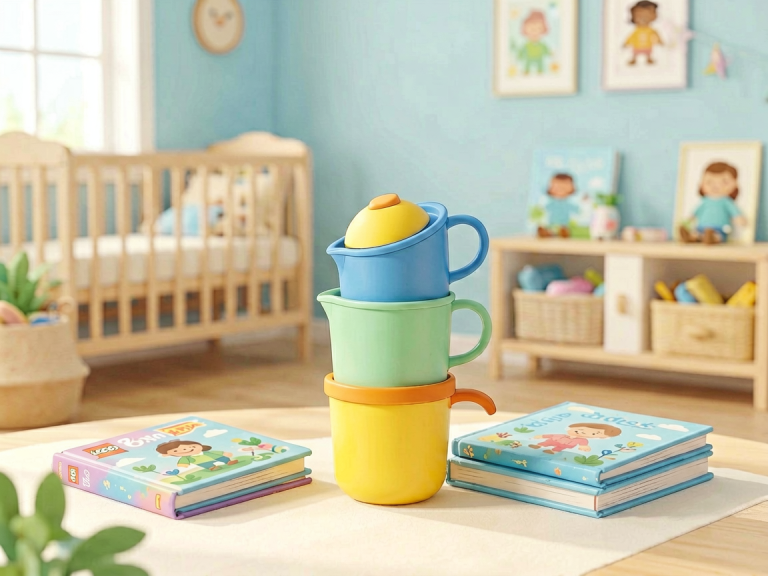
- Plastic and rubber toys (e.g., rattles, stacking cups, teethers): Wash them in warm, soapy water using a mild dish soap. Scrub all surfaces, including crevices, with a clean brush. Rinse thoroughly. For extra safety, you can soak them in a solution of one part white vinegar to three parts water for 10 minutes, which kills many bacteria and viruses. Avoid using bleach, as residue can be harmful if ingested. Then air-dry completely.
- Wooden toys: Wood is porous and can warp if soaked. Wipe the surface with a damp cloth lightly dipped in a mixture of warm water and a drop of castile soap. Do not saturate. For stubborn spots, use a soft toothbrush. Dry immediately with a clean towel. To disinfect, you can spray the toy with a solution of diluted rubbing alcohol (70% isopropyl alcohol mixed with equal parts water) and let it air-dry. However, avoid alcohol on toys that are painted, as it may damage the finish.
- Stuffed animals and fabric toys: Check if the toy has a removable cover that can be machine-washed. If not, and the toy is small, place it in a mesh laundry bag and wash on a gentle cycle with hypoallergenic detergent. Use hot water if the fabric can tolerate it. For non-washable items, a steam cleaner can effectively sanitize without moisture damage. Alternatively, seal the toy in a plastic bag and freeze it for 48 hours to kill dust mites—but this does not kill bacteria or viruses.
- Battery-operated or electronic toys: Remove batteries first. Wipe the exterior with a cloth dampened with soapy water, being careful not to let liquid enter openings. Use a cotton swab dipped in rubbing alcohol to clean around buttons and seams. Never submerge electronic toys in water.
Replacing or Securing Loose Parts
After cleaning, do a final safety check. If a stuffed animal has missing eyes or a loose button, either remove the unsafe part and sew the area closed, or discard the toy if the damage is extensive. For plastic toys with missing screws on battery compartments, purchase replacement screws from a hardware store to prevent batteries from falling out. If a wooden toy has a jagged edge, sand it down with fine-grit sandpaper and wipe away the dust. These small steps ensure that a pre-loved toy becomes a safe, cherished item for your baby.
The Role of Second-Hand Toys in Sustainable Parenting
Cultivating Mindful Consumption
Choosing second-hand toys is about more than the toys themselves—it is a philosophy that extends into all aspects of parenting. When we buy used, we pause to consider whether a toy is truly needed, how long it will be used, and what happens to it afterward. This mindfulness counteracts the relentless consumerism that often overwhelms new parents. Instead of buying a dozen plastic toys that will be forgotten in a month, a parent might intentionally select a few high-quality second-hand items that encourage open-ended play, such as nesting cups, wooden blocks, or simple puzzles. Such toys grow with the child, offering new challenges as the baby develops. This approach not only saves money and resources but also fosters a calmer, less cluttered home environment—something both babies and parents can benefit from.
Teaching Values Through Action
As babies grow into toddlers and preschoolers, they begin to absorb the values their parents model. When a family regularly explores thrift stores, donates outgrown toys, and swaps with neighbors, children learn that objects have value beyond their price tag and that sharing and reuse are normal, positive behaviors. These lessons in sustainability and generosity are far more powerful than any lecture. By incorporating second-hand toys into daily life, parents create a living curriculum of environmental stewardship. And when a baby later grows out of their own toys, the cycle continues: those toys can be passed on to another family, extending their useful life even further.
Building a Community of Care
The second-hand toy market often involves direct interactions with other families—whether through online negotiation, meeting at a garage sale, or chatting at a swap event. These connections build a network of mutual support. Parents share tips, recommend safe products, and even exchange toy-related stories. In a time when many new parents feel isolated, especially those with infants, such community ties can be invaluable. Second-hand toys, therefore, become a catalyst for social connection and collective care. They remind us that raising a child does not have to be a solitary, consumer-driven journey—it can be a shared, sustainable, and deeply rewarding experience.
Conclusion: Making an Informed Choice
The decision to incorporate second-hand toys into a baby’s life is a wise one, grounded in economy, ecology, and common sense. These toys offer high quality at low cost, reduce the strain on our planet, and introduce a delightful variety that new stores often lack. Yet this choice must be accompanied by vigilance. Parents must check for safety standards, inspect for wear, clean meticulously, and stay informed about recalls. When done right, second-hand toys become more than just playthings—they become tokens of a thoughtful parenting approach that prioritizes safety, sustainability, and community. In a world where babies are constantly bombarded with mass-produced, disposable products, the simple act of choosing a pre-loved toy is a powerful statement. It says: *I care about my child’s health, I care about the earth, and I care about making smart, loving choices.* So next time you are tempted to buy that shiny new rattle from the store, remember: the best toy for your baby might already have a story, and it is waiting for you to give it a new chapter.