The Pitfalls of Buying Toys with Too Many Pieces for 3-Year-Olds: Why Less Is Often More
Introduction
Walking through the aisles of a toy store, it is easy to be dazzled by elaborate sets boasting hundreds of tiny pieces—construction blocks with miniature connectors, puzzle sets with dozens of shapes, or pretend-play kitchens with countless plastic accessories. For many well-meaning parents, grandparents, and friends, the instinct is to buy the most "grown-up" or "challenging" toy they can find, believing it will accelerate a child’s learning or provide long-lasting entertainment. However, when it comes to three-year-old children, the allure of a toy with too many pieces can quickly turn into a source of frustration, safety risks, and missed developmental opportunities. This article explores the specific challenges and hidden dangers of purchasing high-piece-count toys for toddlers, and offers practical guidance on choosing age-appropriate alternatives that truly support a child’s growth.
The Allure of Complexity: Why Parents Are Drawn to Multi-Piece Toys
Before examining the downsides, it is important to understand why so many adults gravitate toward toys with extensive parts lists. Advertisements and packaging often highlight the "educational value" of complex sets, promising to build fine motor skills, problem-solving abilities, and creativity. A 100-piece magnetic tile set or a 200-piece wooden block collection seems to offer endless possibilities. Furthermore, many parents mistakenly equate the number of pieces with the toy’s sophistication and long-term play value. They reason that a bigger set will keep a child occupied for longer, reducing the need for frequent purchases. Social pressure also plays a role: seeing other parents post photos of elaborate play setups on social media can lead to feelings of inadequacy, pushing one to buy "more" for their own child. Yet the reality for a three-year-old is vastly different from these marketing promises.
Developmental Mismatch: Why Three-Year-Olds Aren’t Ready for Hundreds of Pieces
A three-year-old’s cognitive and motor skills are still in a rapid but uneven stage of development. At this age, children typically have limited attention spans—often 10 to 15 minutes per activity—and their ability to plan, organize, and sustain focus on a complex project is minimal. A toy with dozens or hundreds of separate components can quickly overwhelm these young brains. Instead of engaging in creative, open-ended play, a toddler faced with a mountain of pieces may resort to simply dumping them out, scattering them around the room, or becoming distracted by the sheer volume. The intended purpose of building or assembling is often lost. Moreover, the fine motor control required to connect small pieces (such as tiny interlocking bricks) is not yet fully developed. Frustration mounts when a child cannot snap two pieces together or when a structure collapses because the connections are too delicate for their still-clumsy fingers. This repeated failure can erode self-confidence and discourage independent play.
Safety Hazards: Choking, Tripping, and Ingestion Risks
Perhaps the most serious concern with high-piece-count toys for three-year-olds is safety. The U.S. Consumer Product Safety Commission and pediatric organizations worldwide emphasize that children under three should not have access to small parts that can fit into a standard choke tube (approximately 1.25 inches in diameter). Many toys labeled for ages 3+ still contain small pieces, but the age rating is often based on developmental rather than safety guidelines. In practice, a three-year-old’s natural curiosity leads them to put objects in their mouths, noses, or ears. A set with 50 or 100 tiny beads, buttons, or connector pieces dramatically increases the risk of choking or ingestion. Additionally, the sheer quantity of pieces makes it nearly impossible for a parent to keep track of every single one. A lost piece under a sofa or rug might go unnoticed until a child discovers it later—and potentially swallows it. Tripping hazards are another issue: scattered small pieces on the floor can cause falls, especially for toddlers who are still mastering balance and coordination.
Overstimulation and Sensory Overload: The Hidden Downside
Three-year-olds are still learning to filter sensory input. A toy with too many pieces can create a chaotic visual and tactile environment that hinders rather than helps learning. Research in early childhood development shows that young children benefit from simple, predictable materials that allow them to focus on one or two concepts at a time. For example, a set of five large, brightly colored stacking rings encourages a child to practice size seriation, hand-eye coordination, and cause-and-effect. In contrast, a 60-piece shape-sorting set with dozens of variations might cause a child to lose interest quickly because the cognitive load is too high. The brain of a three-year-old is wired to explore through repetition and mastery, not through constant novelty. An excess of pieces provides too many options, leading to what psychologists call "choice overload"—a state where a child cannot decide what to do and ends up doing nothing productive, or simply tossing pieces around aimlessly. This can manifest as crankiness, short-lived play sessions, and even tantrums when the parent tries to redirect.
Cleaning and Organization Burden: A Practical Nightmare for Parents
From a logistical standpoint, buying toys with many pieces for a three-year-old often creates more work for the caregivers. A toddler’s room or living area can quickly become a minefield of loose parts. Parents spend disproportionate amounts of time picking up, sorting, and storing these items—time that could otherwise be spent engaging in interactive play or reading. Furthermore, when pieces inevitably get lost (and they will), the toy becomes incomplete and less functional, leading to the child’s frustration or the need to buy a completely new set. Many parents report that high-piece-count toys end up being used in their entirety only once or twice before being abandoned, while the parent is left to manage a growing collection of orphan parts. This cycle is neither economical nor environmentally friendly.
What to Look for Instead: Principles for Choosing Toys for Three-Year-Olds
Given these problems, how should parents and gift-givers select appropriate toys? The key is to prioritize toys that have a low number of large, durable pieces that are easy to grasp, safe to mouth, and versatile in function. The following criteria are particularly important:
- Large size: Every piece should be larger than a child’s fist to prevent choking. Blocks, chunky puzzles, and soft dolls are ideal.
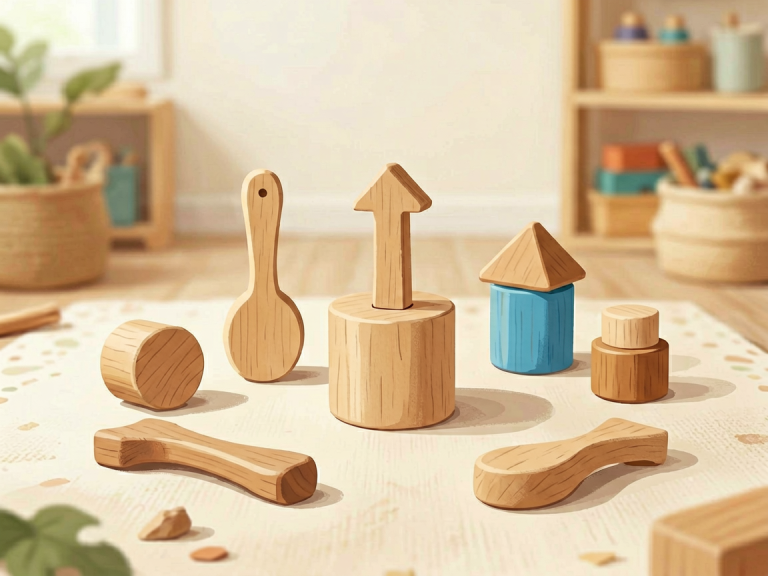
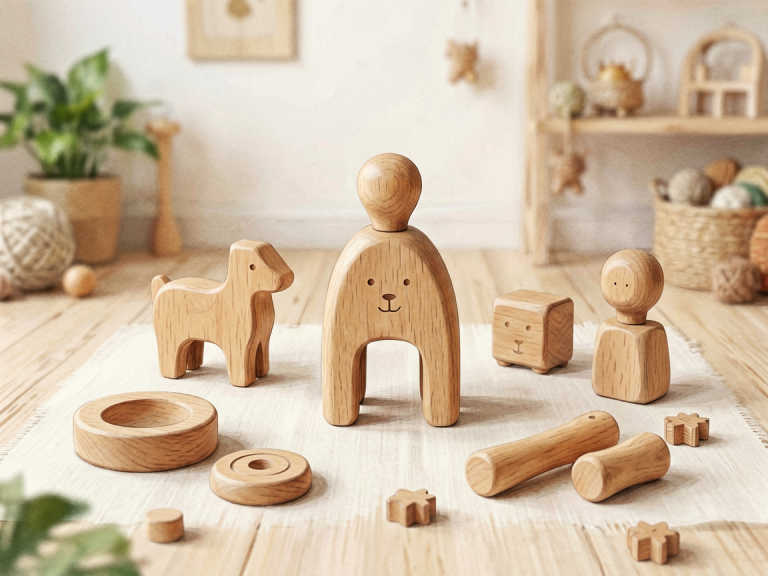
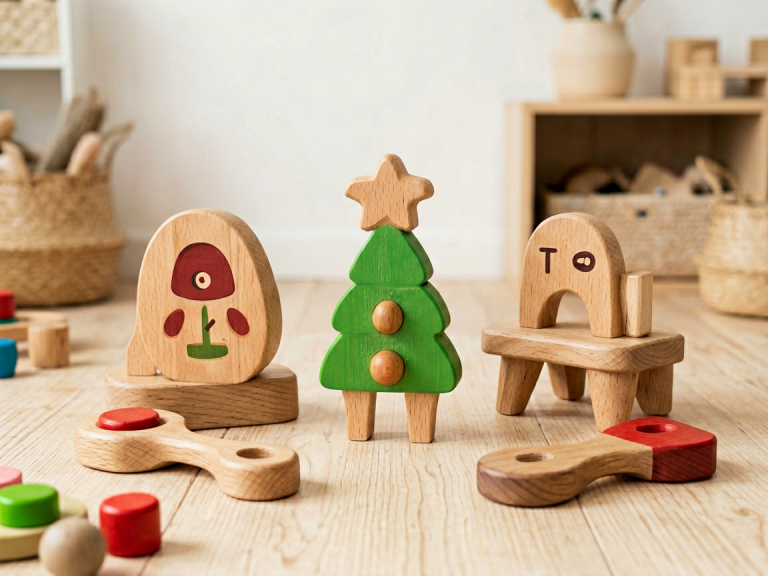
- Limited quantity: A set with 5 to 15 pieces is usually optimal for a three-year-old. This allows for creativity without overwhelm.
- Open-ended play potential: Simple items like a set of nesting cups, a wooden train with a few cars, or a collection of large stacking blocks encourage multiple uses.
- Clear purpose: Toys that target one or two skills (e.g., a shape-sorter with three shapes) are more effective than multi-functional gadgets.
- Easy cleanup: Toys that come in a container that doubles as a storage bin or have a built-in organizer make tidying painless for the child and adult.
Alternatives to High-Piece-Count Toys: Simple Yet Powerful Options
Instead of a 100-piece magnetic tile set, consider a set of 8 extra-large magnetic tiles that are easy to connect and offer a satisfying "click." Instead of a craft kit with 50 stickers, beads, and strings, give a single chunky wooden puzzle with 4 pieces. For pretend play, a single doll with one change of clothes or a toy phone with three large buttons provides plenty of engagement without the mess. Books with textures, lift-the-flap books, and simple board books are also excellent alternatives, as they offer rich language exposure without any small parts. Outdoor toys like a large ball, a sand and water table with a few scoops, or a tricycle are also fantastic choices that support gross motor development and minimize piece-related problems.
Conclusion: Embrace the "Less Is More" Mindset
Buying toys for three-year-olds is a thoughtful act of love, but the impulse to purchase elaborate, high-piece-count sets often backfires. Such toys can overwhelm a toddler’s developing mind, pose safety risks, lead to frustration, and burden parents with endless cleanup. The best toys for this age are simple, durable, safe, and limited in number. They invite repetition, mastery, and genuine discovery. By resisting the marketing hype and choosing fewer pieces with greater intention, parents can foster a calmer, more creative, and safer play environment—one that truly supports a child’s natural development. Remember: for a three-year-old, less is not deprivation; it is the key to deeper, more meaningful play.