How to Check Toys for Toy Noise Levels: A Comprehensive Guide for Parents and Caregivers
Introduction
Toys are an essential part of childhood, providing entertainment, education, and developmental benefits. However, not all toys are created equal, and one often overlooked aspect is the noise level they produce. Excessive toy noise can pose serious risks to children's hearing health, especially for infants and toddlers whose auditory systems are still developing. According to the World Health Organization, prolonged exposure to sounds above 85 decibels can cause hearing damage, and many toys on the market today can exceed this threshold. As a parent, caregiver, or educator, knowing how to check toys for noise levels is a crucial skill that can protect your child's long-term hearing. This article will provide a detailed, step-by-step guide on how to assess toy noise, explain the relevant safety standards, and offer practical tips for making informed purchasing decisions.
Why Toy Noise Levels Matter
The Science of Hearing Damage
Children's ears are more sensitive than adults' because their ear canals are smaller, which amplifies sound pressure. A toy that seems moderately loud to an adult can be dangerously loud for a child held close to the ear. Noise-induced hearing loss is cumulative and irreversible—once the delicate hair cells in the inner ear are damaged, they do not regenerate. Even occasional exposure to high-decibel sounds can cause temporary or permanent threshold shifts.
Common Sources of Noisy Toys
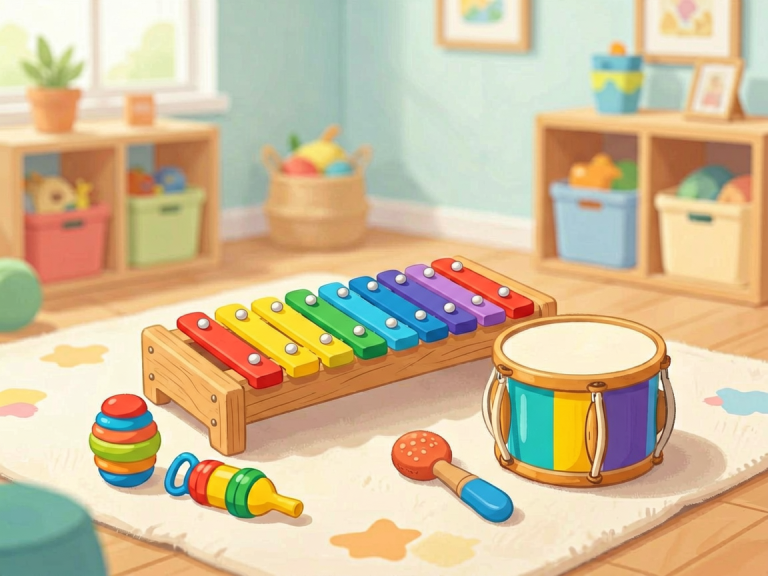
Toys that produce sudden, sharp sounds—such as rattles, squeaky toys, toy guns, musical instruments, electronic tablets, and vehicles with sirens—are frequent culprits. Battery-powered toys often produce sounds at higher volumes than manual ones because manufacturers sometimes prioritize "fun" over safety. Additionally, many toys are tested at a distance of 50 cm from the ear, but children often hold toys directly against their ears or put them in their mouths, drastically increasing the sound level.
Regulatory Standards: A Brief Overview
Different countries have different regulations. In the United States, ASTM F963 (Standard Consumer Safety Specification for Toy Safety) sets limits: continuous sounds should not exceed 85 dB at 50 cm, and impulse sounds (e.g., from a cap gun) should not exceed 138 dB. The European Union's EN 71-1 standard has similar thresholds: 80 dB for toys intended to be held close to the ear, and 85 dB for other toys. However, these standards are often not strictly enforced, and imported toys may not comply. Therefore, relying solely on labels is insufficient—you need to test toys yourself.
Understanding Noise Measurement
Decibels (dB) and Weighting Scales
Decibels are a logarithmic unit that measures sound intensity. A 3 dB increase represents a doubling of sound energy, and a 10 dB increase is perceived as roughly twice as loud. For toy testing, the most common weighting scale is A-weighting (dBA), which approximates the human ear's response by filtering out very low and very high frequencies. Some standards also use C-weighting (dBC) for impulse noises.
Safe Exposure Limits
- Below 70 dBA: Generally safe, even for prolonged exposure.
- 70–85 dBA: Potentially harmful if exposure exceeds 8 hours (but children rarely play that long continuously).
- 85–100 dBA: Hearing damage can occur within 15–30 minutes of continuous exposure.
- Above 100 dBA: Immediate risk of hearing loss; even a single exposure can cause damage.
For toys, the American Academy of Pediatrics recommends that any toy producing sounds above 85 dBA should be avoided for children under 2 years old, and all toys should be tested at the distance the child will actually use them.
Step-by-Step Guide to Checking Toy Noise Levels
Step 1: Gather the Right Tools
You do not need expensive laboratory equipment. A basic sound level meter (SLM) is affordable and widely available online or at electronics stores. Look for one that meets ANSI Type 2 standards (accuracy ±1.5 dB) and has A-weighting capability. Alternatively, you can use a smartphone app as a rough indicator, but be aware that phone microphones are not calibrated and can be inaccurate by 5–10 dB. For reliable results, invest in a dedicated meter.
Step 2: Prepare the Testing Environment
Choose a quiet room with minimal background noise (ideally below 40 dBA). Close windows, turn off fans, and avoid reflective surfaces that could amplify sound. Hold the toy and the meter at a consistent distance—usually 50 cm (about 20 inches) from the ear or from the sound source. However, also test at closer distances (e.g., 10–25 cm) to simulate how a child might use the toy.
Step 3: Test Continuous Sounds
For battery-operated toys that play music, songs, or repetitive sounds:
- Turn on the toy and let it run at its typical volume setting (if adjustable, test both low and high).
- Hold the sound level meter at the specified distance (e.g., 50 cm) pointing directly at the speaker or sound source.
- Record the maximum and average readings over a 30-second period. If the toy has volume control, test at the highest setting.
- Move the meter closer to 10 cm and repeat—this mimics a child holding the toy near their face.
Step 4: Test Impulse or Impact Sounds
For toys that produce sudden noises—such as rattles, clickers, or toy guns—place the meter at 50 cm and activate the sound several times. Record the peak level (many meters have a "peak hold" function). Impulse sounds are measured in C-weighting and should not exceed 138 dB (though many experts recommend a lower limit of 120 dB for children).
Step 5: Test Multiple Orientations
Toys can emit sound in different directions. Rotate the toy and take measurements from the front, back, and sides. Some toys have speakers on the bottom or side, which may produce higher levels when placed on a table. Also, test with the toy held in a child's typical play position (e.g., pressed against a table, against the ear).
Tools for Checking Toy Noise Levels
Sound Level Meters (SLM)
A decent SLM costs between $30 and $100. Look for features like:
- A and C weighting
- Fast and slow response settings
- Peak hold
- Data logging (optional)
Brands like Extech, Reed Instruments, or BAFX Products are reliable. Avoid the cheapest meters, which may be inaccurate.
Smartphone Apps
While not perfect, apps like NIOSH SLM (free, developed by the National Institute for Occupational Safety and Health), Sound Meter (Android), or Decibel X (iOS) can give you a rough idea. Calibrate them using a known source if possible. Keep in mind that phone microphones clip at high levels (above 100 dB) and are less sensitive at low frequencies.
Alternative: The "Two-Finger Rule"
If you have no meter, use a simple heuristic: hold the toy at arm's length and play the sound. If you can have a normal conversation with someone without raising your voice, the toy is likely safe. If the sound makes you wince or forces you to shout, it is too loud. This is not precise but can help you screen out obviously dangerous toys.
Interpreting Your Results
What to Do If a Toy Is Too Loud
- If the toy exceeds 85 dBA at 50 cm: Do not give it to a child under 3 years old. For older children, limit playtime and ensure they do not hold it near their ears.
- If the toy exceeds 100 dBA at any distance: Return or discard it immediately. Even short exposure can cause permanent damage.
- If the toy has a volume control: Turn it down to the lowest setting and retest. Many toys are still loud even on "low."
- Consider modifications: You can muffle the sound by placing clear packing tape over the speaker grille (this reduces volume by about 3–6 dB) or by covering the speaker hole with a thin cloth. However, be careful not to block ventilation or create a fire hazard.
Age-Specific Recommendations
- 0–12 months: Avoid all battery-operated toys that produce sound above 75 dBA. Stick to soft rattles, crinkle toys, and musical mobiles with gentler sounds.
- 1–3 years: Maximum 80 dBA at 50 cm. Toys with adjustable volume are preferable.
- 3+ years: Maximum 85 dBA at 50 cm, with supervision for any toy that produces impulsive sounds.
Additional Tips for Parents and Caregivers
Check Before You Buy
If possible, test toys in the store. Many toy stores have a return policy, but it's better to avoid the hassle. Look for toys that explicitly advertise "volume limiting" or "safe sound levels." Beware of "educational" electronic toys that claim to develop language skills—they often blare loud, repetitive sounds that can actually hinder learning by overstimulating.
Watch for Warning Signs
If a child consistently turns away from a toy, covers their ears, or cries when it is turned on, trust their instincts. Their auditory system is telling them the sound is uncomfortable. Also, pay attention to your own ears—if a toy makes your own ears ring after a few minutes, it is definitely too loud.
Educate Other Caregivers
Grandparents, babysitters, and daycare workers may not be aware of toy noise hazards. Share this guide with them, or simply apply tape or stickers to noisy toys to remind everyone to keep them at a distance.
The Importance of Regular Testing
Toys can become louder over time as batteries lose power (some electronic toys actually increase volume to compensate). Also, children may modify toys, e.g., by dropping them or putting them in water. Test toys periodically, especially after a child has been playing with them for a while.
Conclusion
Checking toy noise levels is a simple yet vital practice for protecting children's hearing. With a basic sound level meter or even a smartphone app, you can quickly identify toys that pose a risk. Remember that the safest toys are those that engage a child's imagination without overwhelming their senses. By following the steps outlined in this guide—testing at appropriate distances, interpreting decibel readings, and applying age-appropriate limits—you can ensure that playtime remains both fun and safe. Hearing loss is permanent, but it is also entirely preventable. Take the time to check your children's toys today; their ears will thank you for years to come.