The Case for Ephemeral Play: Why Choosing Toys That 6-Month-Olds Outgrow Fast Makes Perfect Sense
—
Introduction: The Paradox of Infant Toy Selection
When a new parent walks into a baby store, the sheer variety of toys can be overwhelming. Brightly colored rattles, soft fabric blocks, crinkly books, and dangling mobiles all compete for attention. Most well-meaning adults instinctively gravitate toward toys that promise longevity—items labeled “0–24 months” or “developmental milestones up to age 3.” The logic seems sound: why spend money on something a baby will abandon in three weeks? Yet, for the specific age of six months, the opposite approach may be far more rational. Choosing toys that kids outgrow fast—perhaps in a matter of weeks—can actually align better with how a six-month-old’s brain, body, and interests develop. This article explores the developmental, psychological, and practical reasons why embracing rapid obsolescence in toy selection for half-year-olds is not only acceptable but advisable.
The Developmental Sprint: Why Six Months Is a Turning Point
At six months, an infant is not a static creature. She is a whirlwind of change. Between five and eight months, babies typically master rolling over, begin sitting unsupported, discover their own feet, and start reaching for objects with a deliberate pincer grasp. Their visual acuity sharpens, depth perception improves, and they become fascinated by cause-and-effect relationships. A toy that captivates a five-and-a-half-month-old—say, a simple wooden rattle—may bore the same baby two weeks later once she realizes she can shake it herself and no longer needs the auditory surprise. Furthermore, emerging motor skills shift preferences. A soft, floppy doll that is perfect for hugging suddenly becomes frustrating when the baby learns to grasp and transfer objects from hand to hand; she now wants something with a defined handle or a textured surface. This rapid neurological and physical progression means that the ideal toy for a six-month-old has an inherently short shelf life—often measured in days or weeks rather than months.
What Does “Outgrowing Fast” Really Mean?
Outgrowing a toy for a six-month-old is not the same as for a three-year-old. A toddler might outgrow a ride-on car because his legs are too long; a six-month-old outgrows a toy because her cognitive or motor demands have shifted. For example, a high-contrast black-and-white mobile that mesmerized the newborn at two months is rudely ignored at six months—she now craves color, movement, and interaction. Similarly, a set of plastic rings that were easy to hold will soon be replaced by the desire for stackable cups. Outgrowing fast, in this context, means that the toy no longer offers the right level of challenge or sensory feedback. The baby’s brain is wired to seek novelty; a static, unchanging toy becomes less stimulating with each repeated interaction. Thus, a toy that is perfectly matched to a six-month-old’s current developmental stage will inevitably lose its appeal within weeks—not because the toy is bad, but because the baby has evolved.
The Hidden Costs of “Long-Lasting” Toys
Many parents, influenced by marketing or thrift, chase toys that claim to serve multiple ages. A popular example is a large plastic activity center with detachable legs, marketed for “3 months to 3 years.” While versatile in theory, such toys often fail to engage a six-month-old properly. The infant may only use the overhead dangling toys before outgrowing the stationary seat entirely by eight months. Meanwhile, the bulky plastic structure occupies floor space and becomes a dust collector. Worse, the very attempt to be “age-proof” dilutes the toy’s focus. A cluttered activity panel with dozens of buttons can overwhelm a six-month-old who benefits from single-action cause-and-effect: one button, one result. The compromise also shortchanges the child’s need for focused, repetitive practice of emerging skills. A single, simple rattle that is outgrown in two weeks may teach more grasping dexterity and auditory feedback during those fourteen days than a complicated all-in-one toy that confuses the baby. The true cost of a long-lasting toy is not its price tag but its missed developmental opportunity.
Selecting Toys That Embrace Rapid Obsolescence
Given that six-month-olds outgrow toys quickly, how should a parent choose? The key is to select items that are intensely appropriate for the moment and easy to retire. Here are several categories of toys that exemplify this philosophy:
Sensory Specifics: Crinkle, Rattle, and Squish
For the six-month-old who is still exploring oral-motor skills and tactile sensations, toys that offer a single strong sensory input—like a crinkly fabric square, a soft teether with bumps, or a lightweight rattle—are optimal. These objects provide concentrated feedback. The crinkly toy will likely be loved for exactly three weeks until the baby discovers her own voice and starts babbling, making the crinkle sound pale in comparison. Rather than regretting this short lifespan, parents should celebrate that the toy fulfilled its purpose: it stimulated tactile and auditory neural pathways before being naturally outgrown.
Grasp-and-Release Challenges
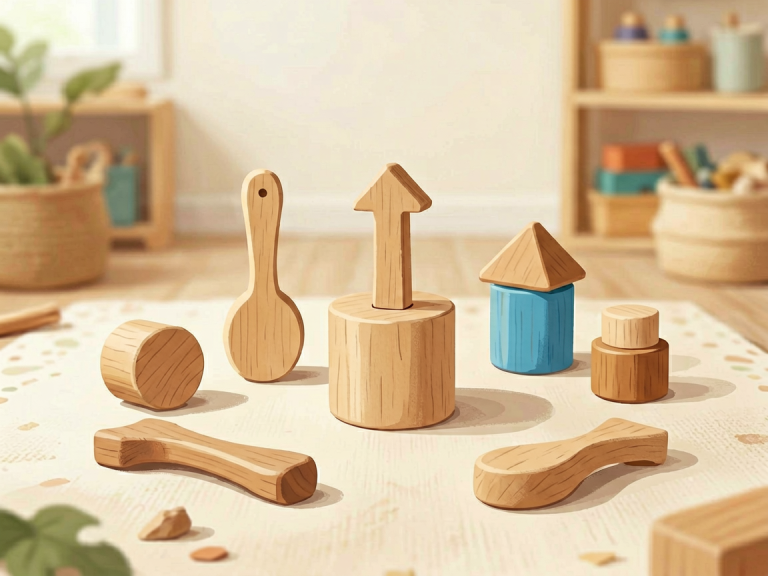
Once a six-month-old masters holding objects, she becomes obsessed with transferring them from hand to hand and dropping them. Toys designed for this exact stage—such as small wooden rings (safe size), cloth blocks, or soft balls with internal bells—are perfect. However, within another month, the baby will likely begin intentionally throwing or banging objects. The same ring that once facilitated transfer will become too light or simple. The parent who bought a dozen identical rings expecting long-term use will soon find them scattered under the sofa. Instead, buying just three or four varied grasping toys and rotating them weekly maximizes novelty without waste. The toys are outgrown fast, but they are also replaced fast.
Cause-and-Effect Novelties
Around six to seven months, babies learn that they can influence their environment. A toy that plays a jingle when pressed, or a pop-up puppet, can captivate a baby for days. But once the baby internalizes the cause-and-effect relationship—usually within a week—the toy loses its magic. The child may start exploring more complex interactions, like sliding a bead across a wire or pushing a button that triggers a longer sequence. Therefore, a simple, one-trick cause-and-effect toy is almost by definition a short-term investment. Rather than being a flaw, this is a feature: the toy teaches a fundamental cognitive building block and then happily steps aside.
Parental Psychology: Letting Go of the “Investment” Mindset
A major barrier to accepting fast-outgrown toys is the parental mindset of investment. Social pressure often equates good parenting with durable, expensive, “educational” products. Yet, the most educational toy for a six-month-old is one that aligns perfectly with her current abilities and interests—even if it only holds her attention for two weeks. The financial impact is negligible if parents adopt a strategy of buying cheap, single-purpose toys or borrowing from friends and libraries. Many hand-me-down toys that have been rattled, chewed, and crinkled by a dozen infants are, ironically, more developmentally appropriate than a shiny new “smart toy.” Additionally, parents can reframe a toy’s “outgrow” status positively: each discarded toy is proof of a developmental leap. That musical caterpillar no longer played with? Good—it means your baby has moved beyond cause-and-effect into object permanence and now wants peek-a-boo games.
Practical Tips for Rotating and Disposing
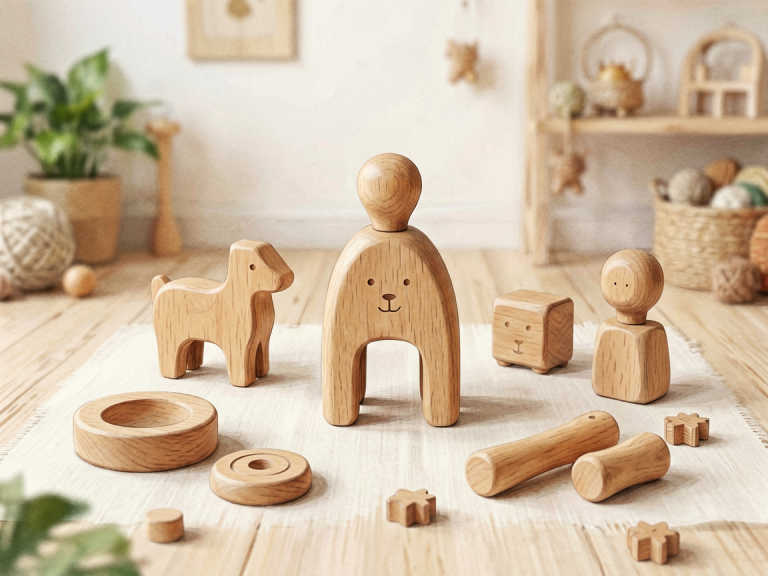
To make the fast-outgrown-toy strategy work, parents need a system. First, keep only three to five toys accessible at a time. Second, observe your baby’s play patterns daily. When you notice a toy is ignored for three consecutive days, consider it outgrown. Remove it and introduce a new one from a hidden stash. The removed toy need not be thrown away; it can be stored and reintroduced when a younger sibling arrives or donated. For environmentally conscious parents, upcycling is simple: an old rattle becomes a keychain; a crinkly book becomes a pet toy. The carbon footprint of a single-purpose, short-life plastic toy can be mitigated by choosing natural materials (wood, organic cotton) that are biodegradable or easily resold. Moreover, many toys for six-month-olds are so simple that they can be homemade. A set of empty plastic bottles filled with beans (sealed tight) serves as a brilliant shaker for two weeks before the baby prefers a cup to bang. The bottle can be rinsed and recycled.
Conclusion: Celebrate the Ephemeral
Choosing toys that six-month-olds outgrow fast is not a sign of wasteful consumerism; it is an act of mindful attunement to the baby’s rapidly unfolding development. Rather than trying to make every toy last a year, parents who embrace the ephemeral nature of infant play will find themselves more responsive to their child’s needs, less burdened by clutter, and more willing to enjoy the present moment. A six-month-old does not need a toy collection that will see her through toddlerhood. She needs a toy that is exquisite for exactly now—a crinkle in her palm, a rattle that sounds when she shakes, a soft block that fits in her mouth. When that moment passes, as it inevitably and gloriously will, the toy has done its job. The child has outgrown the toy, and that is exactly the point.