How to Choose LEGO Style Bricks for 11-Year-Olds: A Comprehensive Guide
Choosing LEGO bricks for an 11-year-old can be both exciting and daunting. At this age, children are no longer toddlers who simply stack blocks; they are budding engineers, artists, and storytellers who demand more complexity, challenge, and creative freedom. LEGO-style bricks—whether official LEGO sets or compatible third-party brands—offer endless possibilities. But with thousands of options on the market, how do you pick the right ones? This guide breaks down the key factors to consider, ensuring that your gift sparks joy, fosters learning, and matches the child’s unique interests.
Understanding the 11-Year-Old Mindset
Before diving into specific products, it’s crucial to understand what makes an 11-year-old tick. At this developmental stage, children are transitioning from concrete thinking to more abstract reasoning. They can follow multi-step instructions, plan ahead, and troubleshoot problems. However, they also crave independence and self-expression. A 7-year-old might be thrilled with a simple car model, but an 11-year-old often wants something that feels “cool,” challenging, or representative of their personal passions—be it space exploration, medieval castles, or robotic warfare.
Additionally, social dynamics matter. Many 11-year-olds enjoy building with friends or siblings, so sets that encourage collaboration or competition (e.g., two-in-one models or battle-themed sets) can be especially engaging. Keep in mind that screen time competes for their attention; a well-chosen LEGO set can provide a satisfying tactile alternative.
Key Criteria for Selection
1. Complexity and Piece Count
One of the most obvious metrics is the number of pieces. For 11-year-olds, sets typically range from 300 to 1,500 pieces. A set of 400–600 pieces is a safe start if the child is new to advanced building, while an experienced builder might relish a 1,000+ piece challenge. However, piece count alone isn’t everything. Structural complexity matters more. A set with many small, specialized parts (like Technic gears and pins) can be far more demanding than a simple stack of bricks with the same count.
Look for sets labeled “8+” or “9+,” but don’t be afraid to go for “10–14” ranges. Many 11-year-olds can handle adult-level instructions if they are patient. If the child tends to get frustrated easily, start with a mid-range set and gradually increase difficulty.
2. Themed Interests
This is where personalization shines. At 11, children often have strong opinions. Here are common themes that appeal to this age group:
- Technic: Perfect for kids who love vehicles, machinery, and how things work. Technic sets include gears, axles, and functional elements like steering, suspension, and even motorized parts. They teach engineering principles in a hands-on way.
- City and Modular Buildings: Great for storytelling and creativity. City sets (police, fire, construction) allow for open-ended play, while modular buildings (like the Bookshop or Police Station) reward patience with stunning architectural details.
- Star Wars, Harry Potter, Marvel/DC: Licensed themes tap into existing fandom. These sets often feature iconic characters and vehicles, making them highly desirable. However, they can be pricier due to licensing fees.
- Ideas and Creator Expert: These are for the artistic builder. Ideas sets (often fan-designed) include the Apollo Saturn V, the Medieval Blacksmith, or the Tree House. They offer a unique building experience and look great as display pieces.
- Robotics and STEM: LEGO Mindstorms or compatible third-party robotics kits (like those using Arduino) introduce coding and programming. If the child shows interest in technology, these can be transformative.
A quick tip: Observe what the child talks about, draws, or reads. If they are obsessed with dinosaurs, a LEGO Jurassic World set will hit the mark. If they love building forts in the backyard, a Creator 3-in-1 set (which can rebuild into multiple models) offers versatility.
3. Budget and Value
LEGO sets are notorious for being expensive. For 11-year-olds, expect to pay between $30 and $200 for a quality set. To maximize value, consider:
- Replayability: Sets that can be rebuilt into alternate models (e.g., Creator 3-in-1) offer more playtime per dollar.
- Compatibility: Ensure any third-party bricks are compatible with standard LEGO stud dimensions. Many knock-off brands exist; check reviews for clutch power and color consistency. A poorly made brick can ruin the building experience.
- Bulk Bricks: Instead of a single large set, consider buying a bulk box of generic bricks (around 1,000–2,000 pieces) plus a specific instruction booklet. This encourages free-form creativity and reduces cost per piece.
- Second-Hand Markets: Thrift stores, garage sales, and online marketplaces often have used LEGO at half the price. Just verify that all pieces are present (missing a single small gear can be maddening). Some sellers offer complete sets with original manuals.
4. Educational and Developmental Benefits
Building with LEGO-style bricks isn’t just fun; it’s a powerful learning tool. For 11-year-olds, look for sets that enhance:
- Fine Motor Skills: Smaller pieces require precise finger movements, which is beneficial for handwriting or musical instrument practice.
- Spatial Reasoning: Following 3D instructions builds mental rotation abilities. Technic sets especially improve understanding of mechanical systems.
- Persistence and Problem-Solving: A 1,000-piece set may take several hours or days to finish. Overcoming challenges like misaligned gears or missing steps teaches resilience.
- Collaboration: Group projects, such as building a large castle with a friend, foster teamwork and communication.
If the child is in a competitive mood, consider sets with a “battle” element, like LEGO Ninjago or Marvel sets, which include conflict scenarios. Alternatively, a diorama set (e.g., a space shuttle launch pad) can inspire imaginative storytelling.
5. Compatibility and Future Expansion
Think long-term. An 11-year-old will likely continue building for years. Choose sets that are part of a larger system:
- Standard LEGO System: Most sets can be combined. For example, a Star Wars starship integrates with a City spaceport.
- Technic and System: Technic parts are not fully compatible with standard bricks due to different stud and hole layouts, but they can be mixed in creative ways. If the child likes both, get a mix.
- Third-Party Brands: Brands like Mega Construx, COBI, or Lepin offer alternative themes (military vehicles, historical landmarks) at lower prices. However, quality varies. Always read recent reviews. Some cheap bricks have weak clutch power, causing models to collapse.
A good strategy is to start with a few official LEGO sets to ensure consistency, then expand with compatible generic bricks for fillers and MOCs (My Own Creations).
Specific Recommendations for 11-Year-Olds
To give you a concrete starting point, here are three diverse sets that cater to different profiles:
- For the Future Engineer: LEGO Technic 42143 McLaren Formula 1 Car (1,432 pieces, ~$180). This set replicates real engine mechanics with piston movements and steering. It’s challenging but immensely satisfying for a motorsport fan.
- For the Creative Storyteller: LEGO Ideas 21333 Vincent van Gogh – The Starry Night (2,316 pieces, ~$170). A beautiful 3D painting that doubles as a display piece. It teaches pattern recognition and art appreciation.
- For the Budget-Conscious Builder: LEGO Creator 3-in-1 31111 Cyber Drone (330 pieces, ~$20). This small set can rebuild into a drone, a robot, or a shark. It’s affordable, portable, and encourages multiple builds.
If the child is new to LEGO or prefers free building, a bulk bucket of 1,500 generic pieces (available on Amazon for ~$25) plus a few mini figures starts them off without overwhelm.
Common Pitfalls to Avoid
- Overestimating the Child’s Patience: An 11-year-old who loves fast-paced video games might get bored with a 2,000-piece technic set that takes two weeks. Gauge their attention span beforehand.
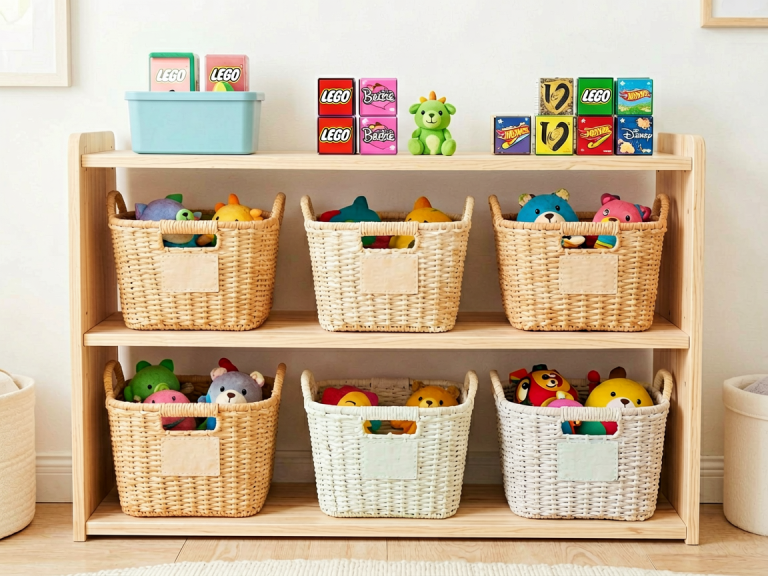
- Ignoring Storage: LEGOs are small. If the family doesn’t have a dedicated storage system (sorting trays, zip bags), pieces get lost quickly. Include a storage solution as part of the gift.
- Choosing Only One Theme: While focusing on a theme helps, children’s interests evolve. A set that combines multiple themes (e.g., a castle with a dragon and a knight) offers more variety.
- Forgetting the Instruction Manual: Some children prefer to build from pictures; others need written instructions. Check that the set’s manual is clear and well-illustrated. If you buy used, ensure the manual is included or available online.
Conclusion
Selecting LEGO-style bricks for an 11-year-old is about balancing challenge, interest, and value. Start by observing the child’s passions—whether they lean toward engineering, storytelling, or art. Match the complexity to their building experience, and don’t shy away from investing in quality sets that will last for years. Remember that the goal is not just to occupy a few hours, but to inspire a lifelong love of creation and problem-solving. With the right set in hand, that stack of plastic bricks becomes a launchpad for imagination. Happy building!