Are Wooden Blocks Under $30 Worth It? A Thorough Investigation into Budget-Friendly Building Toys
Introduction
Walk into any toy aisle or scroll through an online marketplace, and you will find an overwhelming array of building blocks: plastic, magnetic, foam, and the classic wooden variety. Among these, wooden blocks hold a special reputation for being timeless, educational, and durable. But when the price tag reads under $30—a threshold that often signals budget-friendly or entry-level products—skepticism creeps in. Parents, educators, and gift-givers naturally wonder: are these affordable wooden blocks actually worth the investment, or are they destined to splinter, warp, or disappoint? This article dives deep into the world of inexpensive wooden blocks, examining their material quality, safety, educational value, and long-term durability to answer the question definitively.
1. The Enduring Appeal of Wooden Blocks
Before evaluating cost, it is important to understand why wooden blocks remain beloved. Unlike plastic blocks that often click or snap into predefined shapes, wooden blocks offer an open-ended tactile experience. Their weight, grain, and natural warmth engage a child’s senses in ways that synthetic materials cannot replicate. They encourage free-form creativity, spatial reasoning, and fine motor skills. A simple set of wooden blocks can serve a toddler learning to stack, a preschooler building towers, and an older child designing complex structures. This multipurpose nature gives wooden blocks an exceptionally long developmental lifespan. At under $30, the question becomes whether the blocks retain these core benefits or sacrifice them for a lower price.
2. What $30 Buys: Material and Construction Realities
The first consideration is the wood itself. At the under-$30 price point, you are unlikely to find blocks made from solid hardwoods like beech, maple, or birch—the gold standard for premium wooden toys. Instead, most budget-friendly sets use pine, rubberwood, or even plywood. Pine is soft and lightweight, which makes it easier to sand and paint but also more prone to dents, scratches, and chipping. Rubberwood is a more sustainable and denser option, often found in mid-range blocks, and can be surprisingly durable given its cost. However, many inexpensive sets are made from compressed wood particles or medium-density fiberboard (MDF) wrapped in a thin veneer. These are less durable and can delaminate if exposed to moisture or rough handling.
Joinery and finishing also matter. Cheap blocks may have rough edges, uneven surfaces, or paint that peels quickly. Reputable budget brands (such as Melissa & Doug or Hape) mitigate this with sanding and non-toxic water-based paints, but generic unbranded sets from discount retailers may cut corners. A careful inspection of customer reviews often reveals reports of splinters, off-gassing odors, or blocks that arrive with uneven shapes—problems that undermine both safety and play value.
3. Safety, Standards, and Peace of Mind
Safety is paramount when children put toys in their mouths or handle them daily. Under $30, the risk of harmful chemicals or choking hazards increases if the manufacturer does not follow strict regulations. Reputable brands in this price range—such as those carrying the ASTM (American Society for Testing and Materials) or EN71 (European safety standard) certifications—invest in non-toxic paints, lead-free finishes, and smooth, splinter-free surfaces. However, many cheap unbranded blocks sold on marketplace platforms lack such certifications. They may contain formaldehyde in the adhesives, phthalates in the paint, or small parts that break off easily. A savvy buyer must therefore prioritize certified brands even within the budget category. Spending $25 on a certified set is far more worthwhile than $15 on a questionable one that may pose health risks.
4. Educational Value: Wooden Blocks vs. Plastic Alternatives
One of the greatest arguments for wooden blocks is their educational contribution. They promote STEM skills (science, technology, engineering, math) through balance, gravity, and geometry. They also foster language development as children describe their creations, and social skills when building collaboratively. At under $30, a good set of wooden blocks can deliver all these benefits—provided the blocks are uniform enough for stable stacking and varied enough in shape to inspire creativity. A typical budget set might include 50 to 100 blocks in basic shapes (cubes, rectangles, triangles, cylinders). That is sufficient for early play. By contrast, plastic building bricks like LEGO Duplo offer more precise connectivity but at a significantly higher per-piece cost and with less sensory variety. For pure open-ended building, wooden blocks under $30 offer a better value per piece than many plastic alternatives, especially considering that they never require batteries or screens.
5. Comparing Notable Brands and Sets Under $30
To ground the analysis in reality, let us examine a few specific examples. The Melissa & Doug Standard Unit Blocks (60-piece set) typically retails around $25–$30. These blocks are made from sustainably sourced rubberwood, painted with non-toxic finishes, and come in a sturdy storage box. They are lauded for their smooth surfaces and precise sizing, which allows for complex architectural play. Another strong contender is the Hape Alphabet & Numbers Puzzle Blocks (26-piece set) for about $20, combining block play with literacy. On the lower end, generic sets from brands like “Playlearn” or unbranded Amazon sellers may offer 100+ pieces for $18, but reviews frequently mention paint chipping, warping after a few months, and blocks that do not stack evenly. The difference is stark: a $25 branded set can last a decade; a $15 generic set might last six months before being discarded.
6. Long-Term Value: Can Cheap Blocks Endure?
Durability is a critical component of “worth it.” A wooden block set that splinters after a few weeks of enthusiastic play is not worth $10, let alone $30. On the other hand, a set that survives years of daily use easily justifies its price. In practice, well-constructed budget blocks made from rubberwood or hardwood pine can hold up remarkably well if cared for (stored dry, cleaned gently). Blocks from low-quality MDF, however, tend to show wear quickly: corners dent, paint flakes, and edges become rough. A telling sign is whether the blocks are solid wood or have a hollow feel. Tapping them or reading detailed reviews can reveal this. The real-world longevity of a $30 set can match that of a $60 set if the materials are solid, making the cheaper option an excellent value. But if the materials are compromised, the blocks become a false economy.
7. Aesthetic and Emotional Appeal
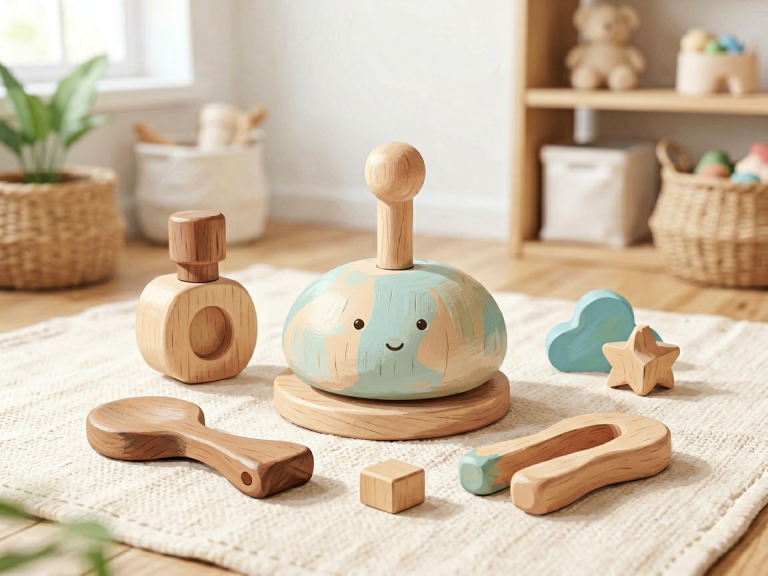
Beyond function, wooden blocks carry an aesthetic that plastic cannot imitate. Their natural colors and textures fit beautifully in a minimalist or Montessori-inspired home. Under $30, many sets still manage to retain this charm through simple, unfinished wood or soft, muted paints. This visual appeal encourages children to treat the blocks with more respect than flashy, noisy plastic toys. The emotional connection to a well-crafted wooden block—the feel of it in the hand, the sound of it clacking against another block—fosters a sense of calm and focus. Budget-priced sets that achieve this are unequivocally worth it. Those that look cheap (e.g., garish neon colors, fake wood grain stickers) fail to deliver this benefit and may be less engaging.
8. Environmental and Ethical Considerations
Eco-conscious buyers often prefer wooden toys because wood is renewable and biodegradable if sourced responsibly. Under $30, some brands support sustainable forestry or use recycled packaging. However, many ultra-cheap sets come from unknown supply chains where wood origin and labor practices are opaque. The “worth it” calculation here extends beyond personal use to planetary impact. If a $25 set from a certified B Corp lasts for years and can be passed down or composted at end of life, that is far better for the environment than a plastic set that ends up in a landfill. Even budget wooden blocks that are not perfectly sustainable still have a lower environmental footprint than plastic alternatives.
9. Who Should Buy Wooden Blocks Under $30?
The decision hinges on the child’s age, the intended use, and the buyer’s tolerance for risk. For infants and toddlers (18 months to 3 years), safety and lack of small parts are paramount. A certified, smooth, chunky block set under $30 is an excellent first building toy. For preschool and early elementary children, larger sets (100+ pieces) are more engaging for complex structures, and you may need to combine two budget sets or stretch to a slightly higher price to get enough pieces. Daycare centers, classrooms, or families on a tight budget will find that a quality under-$30 wooden block set offers incredible play value per dollar. On the other hand, if you seek heirloom-quality blocks to pass down for generations, you will need to invest significantly more (often $80–$150). For everyone else, the budget range is perfectly adequate.
10. Conclusion: The Verdict on Wooden Blocks Under $30
So, are wooden blocks worth it under $30? The answer is a qualified yes—with caution. A carefully chosen set from a reputable brand that uses solid, non-toxic materials and provides enough piece count for creative play delivers exceptional value. It rivals or surpasses many plastic alternatives in educational richness, sensory quality, and durability. However, the market is also flooded with cheaply made sets that splinter, warp, or contain harmful chemicals. The key is to avoid the rock-bottom prices ($10–$15) from unknown sellers and instead target the $20–$30 sweet spot where established toy brands compete. Read reviews, check safety certifications, and inspect the wood type. With due diligence, a $30 wooden block set can become a cherished part of childhood—a small investment that yields years of imagination, learning, and joy. In that light, they are not just worth it; they are a bargain.