Navigating Toy Safety: A Parent’s Guide to Avoiding Toys with Small Parts
Introduction
Every parent knows the joy of watching a child’s face light up when they unwrap a new toy. But behind that excitement lurks a quiet danger: small parts. According to the U.S. Consumer Product Safety Commission (CPSC), thousands of children under the age of three are treated in emergency rooms each year for injuries caused by choking on small toy components. While toy manufacturers are required to follow safety regulations, the ultimate responsibility often falls on parents to scrutinize every rattle, puzzle piece, and action figure. This guide provides a practical, step-by-step approach to identifying and avoiding toys with hazardous small parts, ensuring playtime remains safe and joyful.
Understanding the Risks: Why Small Parts Are Dangerous
The primary hazard of small parts is choking, which can block a child’s airway within seconds. Children under three years old are especially vulnerable because their tracheas are roughly the diameter of a drinking straw. Even if a child does not choke, small parts can be ingested and cause internal injuries, including intestinal blockages. For example, button batteries (often found in electronic toys) can burn through tissue if swallowed. Moreover, toys with detachable small pieces may also pose a strangulation risk if they include cords or loops that can wrap around a neck. Recognizing these risks is the first step toward vigilant purchasing.
How to Identify Hazardous Small Parts Before Buying
Before you hand over your credit card, there are several ways to evaluate whether a toy contains dangerous small parts.
1. The “Choke Tube” Test
The CPSC defines a small part as any object that fits completely inside a standard choke test cylinder (about 1.25 inches in diameter and 2.25 inches deep). You can purchase a choke test tube online or even make a simple DIY version using a toilet paper roll. If a toy component – like a button, wheel, or plastic eye – can slide entirely into the tube, it is too small for children under three. When shopping, mentally compare toy pieces to this size. For instance, a game with dice marbles or a doll’s tiny shoes should raise a red flag.
2. Inspect for Loose or Detachable Parts
Even if a toy isn’t labeled “small parts,” check for components that might become detached during play. Squeeze stuffed animals to see if button noses or eyes are secure. Shake a rattle to ensure no beads or pellets escape. For construction sets, examine how pieces connect – if they snap off too easily, they could become loose on a curious toddler’s floor. A classic case is toy jewelry – children often pull off small charms or beads, so avoid buying such items for anyone under age four.
3. Beware of “Heirloom” and Hand-Me-Down Toys
Vintage or secondhand toys often lack modern safety labels. They may contain chipped plastic parts, rusted metal, or lead paint. Before giving Grandma’s old wooden train set to your baby, check for small whistles, knobs, or wheels that could pop off. Similarly, garage-sale puzzles with missing pieces might have become smaller than they originally were due to wear. If you cannot verify the toy’s history, it is safer to pass it by.
Reading Labels, Age Recommendations, and Warnings
Manufacturers are required to print age recommendations on toy packaging, but these guidelines are not always precise. A “3+” label means the toy is considered safe for children aged three and older – but why? Usually because of small parts, but sometimes because of complexity. As a parent, you should:
- Look beyond the number. A toy marked “Ages 3 and up” may still contain tiny game pieces or brittle parts that break into shards. Read the fine print.
- Check for specific warnings. Packages often say “WARNING: Choking Hazard – Small Parts” or “Not for children under 3.” Do not ignore these phrases.
- Consider your child’s maturity. Some children at age two may still mouth objects, while others don’t. If your child puts items in their mouth, even a toy rated for age 2 might be risky if it has detachable accessories like plastic rings.
- Online shopping pitfalls. When buying from Amazon or other e-commerce sites, zoom into the product images and read the description for “small parts” cautions. Filter by age and read recent reviews from other parents.
Choosing Safe Alternatives to Small-Part Toys
You do not have to give up fun, educational toys. Many excellent options are inherently free of small parts. Here are categories that are both engaging and safe for younger children:
1. One-Piece or Molded Toys
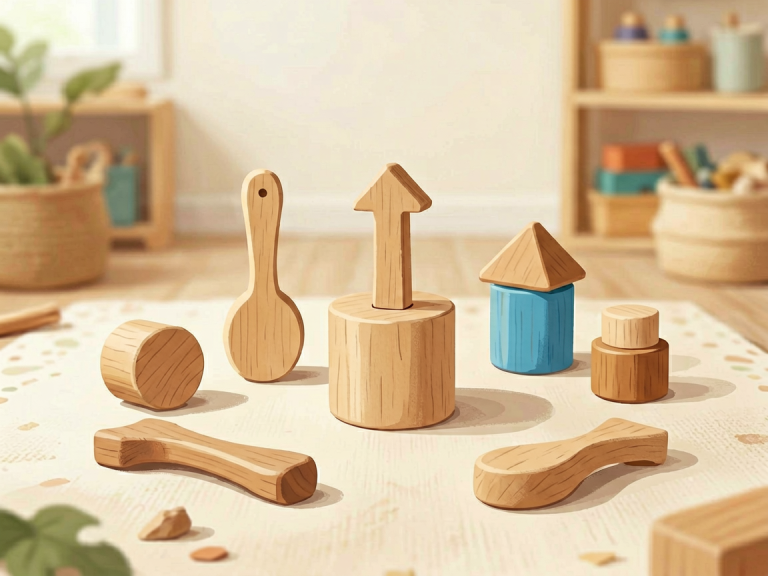
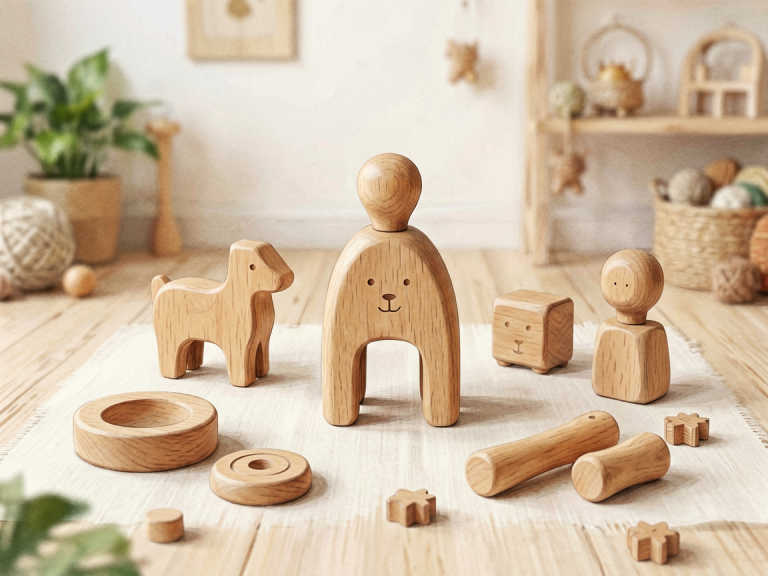
Look for toys made from a single piece of material – for example, a hard plastic car without removable wheels, a solid teething ring, or a sturdy wooden block set with large bricks (over 1.25 inches in any dimension). Soft fabric books with stitched-on images (not glued) are also ideal.
2. Magnetic Building Sets with Oversized Pieces
Many magnetic tile sets are designed for ages 3+ but contain large, non-detachable magnets encased in plastic. These are much safer than tiny magnetic balls (like Buckyballs) which are extremely dangerous if swallowed. Choose sets where the tiles are at least 2 inches wide and cannot be shattered.
3. Simple Art Supplies
Crayons, chunky pencils, and washable markers are typically large and non-toxic. However, beware of pastels that crumble easily or glitter glue that may contain tiny glitter flakes. For toddlers, stick to whole crayons and fat chalk sticks.
4. Push-Pull and Ride-On Toys
Toys that encourage gross motor skills – like wagons, small tricycles, or a wooden push-along train with no detachable figures – provide hours of entertainment without choking hazards.
Other Practical Safety Measures at Home
Even with careful buying, accidents can happen. Integrate these habits into your daily routine:
- Perform a monthly audit. Go through your child’s toy box and remove any items that have become broken or have begun to shed parts.
- Separate siblings’ toys. If you have an older child who plays with small LEGO bricks, keep those bins in a separate room or high shelf inaccessible to a toddler.
- Teach older children. Educate your 4- or 5-year-old to keep small pieces away from younger siblings. Many accidents occur when an older child leaves a doll’s shoe or a marble on the floor.
- Know emergency first aid. Learn the American Red Cross’s back blows and chest thrusts for choking. Keep the number for poison control (1-800-222-1222) posted in the kitchen.
Conclusion
Avoiding toys with small parts does not mean you have to buy boring, drab playthings. By understanding the risks, learning how to spot dangerous components, reading labels carefully, and choosing age-appropriate alternatives, you can fill your home with safe, stimulating toys. The key is vigilance – check every new purchase, inspect old favorites, and teach your children about safety as they grow. After all, the best toy in the world is one that brings laughter, not a trip to the emergency room.
*(Word count: approximately 1,020)*