The Hidden Dangers of Toys with Small Parts: Why Parents Should Think Twice
—
Introduction
Toys are an essential part of childhood, sparking imagination, creativity, and cognitive development. From building blocks to action figures, the variety available in the market is staggering. However, among the most common and seemingly harmless toys are those that come with small parts—tiny wheels, detachable accessories, miniature figurines, or beads. While these items may appear to offer more detail or interactive features, they pose serious and often underestimated risks to children, especially those under the age of three. The problem of buying toys with small parts is not merely a matter of inconvenience; it is a public health and safety concern that demands careful attention from parents, caregivers, and regulators. This article explores the multifaceted dangers of such toys, including choking hazards, internal injuries, regulatory gaps, and behavioral challenges, and urges a more cautious approach to toy selection.
—
1. Choking Hazards: The Most Immediate and Lethal Threat
The primary danger posed by small parts in toys is the risk of choking. According to the U.S. Consumer Product Safety Commission (CPSC), choking is a leading cause of injury and death among young children, particularly those aged three and under. The anatomy of a young child’s airway—about the diameter of a drinking straw—makes them especially vulnerable. Toys that contain small parts such as buttons, eyes, beads, or removable limbs can easily become lodged in a child’s throat, blocking the airway and leading to asphyxiation within minutes.
Statistics reveal the gravity of the situation. In the United States alone, hundreds of children visit emergency rooms each year due to choking incidents involving toys, with a significant portion linked to small parts. In 2022, the CPSC reported that toy-related injuries resulted in over 150,000 emergency department visits, and choking accounted for a substantial number of fatalities. Despite strict regulations, the market still overflows with toys that include detachable or loose components. A classic example is the “small parts” test—a cylinder with a diameter of 1.25 inches (31.7 mm) used to simulate a child’s throat. Any toy or part that fits completely inside this cylinder is considered a choking hazard and is prohibited for children under three. Yet, many toys marketed for older children end up in the hands of toddlers, either through hand-me-downs, sibling sharing, or parental oversight.
The tragic reality is that choking can happen in seconds, often silently. A child playing alone, or even within earshot of an adult, may not make a sound if the object blocks the trachea completely. Parents who purchase toys with small parts may not fully appreciate how quickly the situation can escalate, nor how difficult it can be to perform the Heimlich maneuver on an infant. Therefore, the very act of buying such toys introduces a preventable risk into the home environment.
—
2. Ingestion and Aspiration: Less Obvious but Equally Severe
Beyond choking, small parts can be swallowed or inhaled into the respiratory tract—a condition known as aspiration. When a child swallows a small object, it may pass through the esophagus and into the stomach without immediate symptoms. However, if the object is shaped irregularly (e.g., a sharp-edged piece of plastic or a button battery), it can cause tears, perforations, or obstructions in the gastrointestinal tract. Button batteries, which are frequently used in musical toys, light-up toys, and remote controls, pose a special emergency: if lodged in the esophagus, they can burn through tissue within two hours due to electrochemical reactions, leading to severe internal bleeding, infection, or even death.
Similarly, small objects that are aspirated into the lungs can cause pneumonia, infection, or respiratory failure. A child may cough violently at first, but the object may settle deeper into the bronchial tubes, leading to chronic lung damage. Many cases go undiagnosed for weeks because the initial choking episode was not witnessed, and symptoms such as wheezing or persistent cough are mistaken for asthma or bronchitis.
The problem is compounded by the fact that small-part toys often appeal to children’s natural oral exploration tendencies. Infants and toddlers explore the world through their mouths, a crucial stage of development. Putting toys with small parts in their environment is like leaving candy in front of a child with a weak will: the temptation is irresistible, and the consequences can be tragic. Even toys that are technically “safe” by industry standards may still pose a risk if a child manages to break off a part through rough play. For instance, the eyes of a stuffed animal may be glued on and can become dislodged after repeated chewing. Parents who buy such toys often fail to inspect them regularly for wear and tear.
—
3. Regulatory Gaps and Misleading Labels
One might assume that all toys sold in reputable stores are safe, but the reality is more complicated. Regulatory frameworks exist in many countries—such as the ASTM F963 in the United States, the EN 71 in Europe, or the ISO 8124 globally—to limit small parts in toys intended for young children. However, these standards have significant loopholes. For example, toys for children aged three and older are allowed to contain small parts, because the assumption is that older children have outgrown the mouthing stage and understand not to swallow objects. In practice, this assumption is flawed. A four-year-old may still put a small toy in his mouth out of curiosity, or may hand it to a younger sibling.
Moreover, labeling can be misleading. A toy may be marketed as “ages 3+” but feature small parts that are still easy to disassemble. The phrase “not for children under 3” is often printed in small, easily overlooked text on the back of the package. Busy parents, especially those shopping online, may not read the fine print or may ignore it if the toy seems simple or basic. In addition, imported toys from countries with lax regulations may bypass safety checks altogether, flooding secondhand markets, dollar stores, and online platforms with dangerous items. The rise of e-commerce has made it easier for such products to reach consumers, often without adequate warning.
Another issue is that small parts in toys are sometimes not obvious at the time of purchase. A building block set may contain dozens of pieces, some as small as a pea. A doll’s furniture set may come with tiny chairs and cups that are easily lost—and easily found by a crawling infant. Even toys that are meant to be safe may contain accessories that are packaged separately but fall under the radar. The cumulative effect is a marketplace where danger is normalized, and vigilance is required for every purchase.
—
4. The Role of Siblings and Sharing Environments
Homes with children of different ages present a particularly high-risk scenario. Older children often play with toys that are developmentally appropriate for them, such as board games with small dice, LEGOs, or craft kits with beads. These toys are perfectly safe for a 7-year-old who knows not to put them in his mouth. But if a toddler is present in the same room, the small parts become a significant hazard. Toddlers are naturally curious and will pick up any object within reach, especially those left on the floor or low shelves. The older child may accidentally scatter small pieces, or the younger one may sneak into the older sibling’s room.
Parents sometimes believe that simply supervising the children is enough to prevent accidents, but the reality is that supervision can never be 100% constant. A momentary distraction—answering the phone, preparing a meal, changing a diaper—can be all that is needed for a child to swallow a small piece. In many recorded incidents, the parents were present in the same room but did not see the child put the object in his mouth. This is why the best prevention is not supervision alone but the elimination of the hazard altogether. Buying toys with small parts in a multi-child household is thus a gamble that many families lose.
Furthermore, caregivers need to be aware of the “hand-me-down” effect. Toys from older children often migrate to younger siblings. A set of action figures with small weapons, or a musical toy with a removable battery cover, may have been safe for its original owner but now poses a threat to a new baby. Parents should sort through toy bins regularly and discard or set aside items that contain components small enough to be a choking risk.
—
5. Long-Term Consequences: Emotional and Financial Burdens
In the event of an incident, the outcomes go far beyond the immediate physical injury. A child who survives a choking episode may develop a fear of swallowing or anxiety around toys. Parents may suffer from post-traumatic stress, guilt, and overwhelming anxiety about future play. The financial cost of an emergency room visit, hospitalization, surgery, or medical procedures like bronchoscopy can be exorbitant, even with insurance. In severe cases, the child may require long-term therapy for swallowing disorders or psychological trauma.
Moreover, the broader social cost of toy-related injuries is massive. Emergency departments, poison control centers, and pediatric surgical units spend significant resources treating preventable accidents. Public health campaigns and product recalls also consume taxpayer money. Yet, many of these tragedies could be avoided simply by choosing toys without small parts. The argument that “it’s the parents’ responsibility” is only partially valid—parents cannot be expected to test every toy themselves, and they rely on manufacturers and regulators to do so. But given the gaps in enforcement, the most effective strategy is parental awareness and proactive selection.
—
6. Safer Alternatives: What to Look For
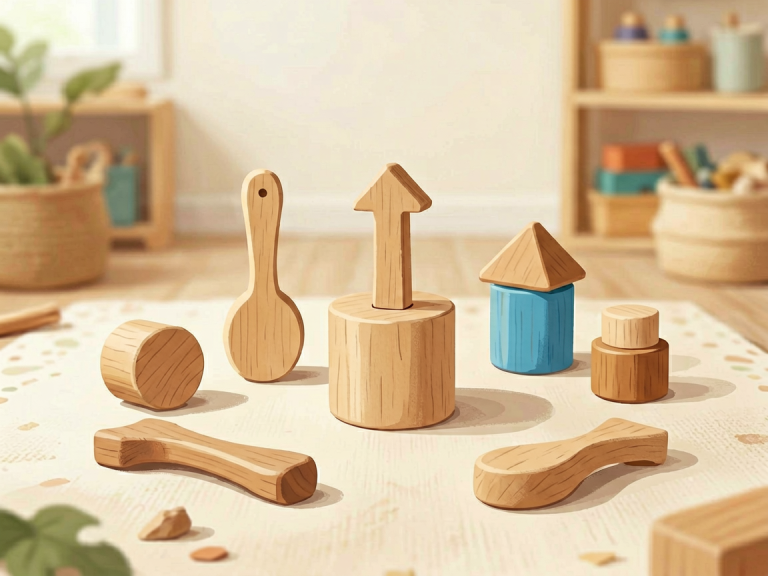
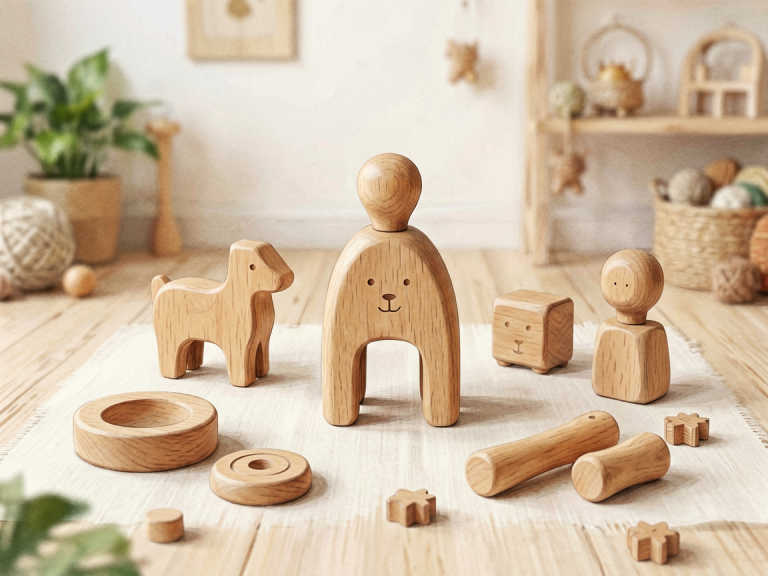
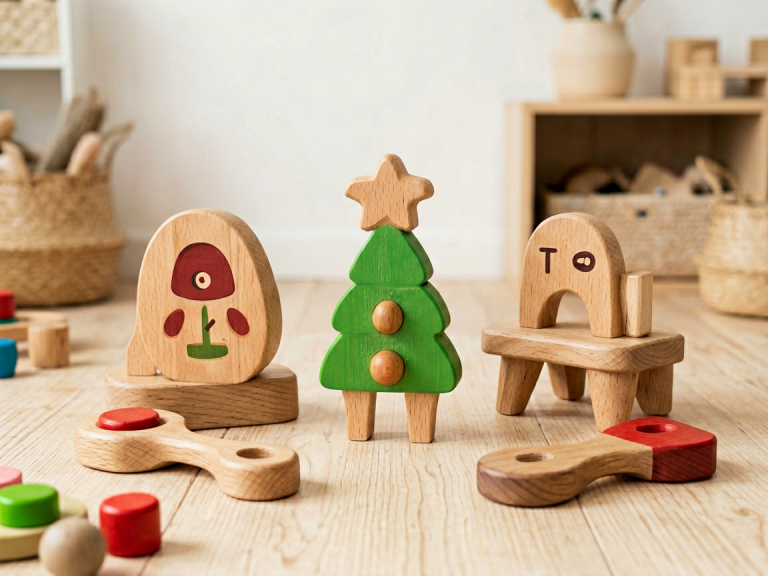
The good news is that countless excellent toys on the market are free of small parts and still offer rich play experiences. For infants and toddlers, look for toys that are one-piece, made of soft fabric or large molded plastic, and have no detachable components. Examples include large wooden blocks, cloth books, push-and-pull toys with wide handles, stacking cups, and simple shape sorters. Sensory toys, such as those with different textures or sounds, can be equally engaging without posing a choking risk.
When buying for older children, pay close attention to the recommended age label and consider the presence of younger siblings in the home. Even if a toy is labeled for ages 4+, think about whether it will be used in a shared space. Encourage older children to keep their small-part toys in a closed container or in their own room, and teach them to pick up after themselves. Additionally, regularly inspect toys for wear—if a button eye becomes loose, remove it immediately. Many parents find it helpful to use the small parts test themselves: if a toy or any component of it fits through a toilet paper roll (which is roughly the same diameter as the official test cylinder), it is not safe for children under three.
—
Conclusion
The decision to buy toys with small parts should never be taken lightly. While these toys may seem more detailed, interactive, or exciting, the risks they introduce—choking, ingestion, aspiration, and the emotional and financial fallout—are profound. The combination of immature airway anatomy, natural oral exploration, regulatory loopholes, and the chaotic reality of homes with children of multiple ages creates a perfect storm for disaster. Parents, caregivers, and educators must act as the first line of defense. By choosing toys that are designed to be safe, inspecting existing toys regularly, and educating older children about the dangers of leaving small parts within reach of younger siblings, we can significantly reduce the number of preventable injuries and deaths. The next time you pick up a toy with tiny wheels, miniature buttons, or detachable accessories, remember that a moment of excitement is not worth a lifetime of regret. Safety should always come before novelty.