Are Wooden Blocks Worth It Under $40? A Comprehensive Analysis
Introduction
Wooden blocks have been a staple in children’s toy boxes for generations. Their simplicity, durability, and open-ended play value make them an enduring favorite among parents and educators alike. However, with the rising cost of living and an overwhelming variety of toys on the market, many budget-conscious parents find themselves asking: *Are wooden blocks worth it under $40?* Can you really get a quality set that is safe, durable, and stimulating for your child without breaking the bank? This article dives deep into the pros and cons of purchasing wooden blocks in this price range, examining factors such as material quality, safety standards, educational benefits, and long-term value. By the end, you will have a clear understanding of whether a $40 investment in wooden blocks is a wise choice for your family.
The Timeless Appeal of Wooden Blocks
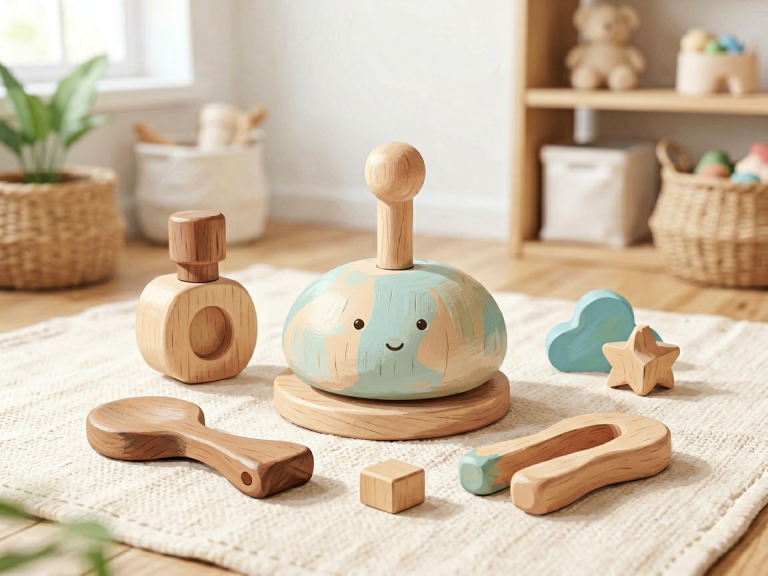
Before evaluating cost, it is important to appreciate what makes wooden blocks so special. Unlike plastic counterparts that often come with pre-programmed sounds or limited functions, wooden blocks are inherently open-ended. A child can stack them into towers, sort them by shape or color, build imaginary cities, or simply knock them down. This unstructured play fosters creativity, problem-solving skills, and spatial awareness. Moreover, wooden blocks have a tactile warmth and natural feel that plastic cannot replicate. They are also more environmentally friendly, as they are typically made from renewable resources and can last for decades if properly cared for. Many families pass down wooden block sets from one generation to the next, a testament to their enduring quality. However, the question remains: can you access these benefits with a budget under $40?
Price vs. Quality: What to Expect Under $40
The wooden block market includes everything from cheap, mass‑produced sets sold at discount stores to artisan‑crafted heirloom pieces that cost hundreds of dollars. In the under‑$40 bracket, you will typically find sets manufactured in China or other low‑cost regions. These sets often contain between 50 and 100 blocks, sometimes including additional pieces like arches, cylinders, or small animal figures. The wood used is usually pine, rubberwood, or birch plywood rather than harder, more expensive species like maple or beech. While these materials are perfectly fine for light to moderate play, they may be more prone to denting or splintering over time. That said, many reputable brands such as Melissa & Doug, Hape, or Tegu (though Tegu is often above $40 for larger sets) offer under‑$40 options that meet basic safety standards. It is crucial to read product descriptions carefully: look for non‑toxic paints, smooth edges, and no sharp corners. Avoid sets that feel flimsy or have a strong chemical smell, as these may indicate low‑quality adhesives or finishes.
Safety and Durability Concerns
One of the primary considerations when buying any toy for young children is safety. Under $40, you may encounter products that do not meet rigorous safety testing. For example, some cheap wooden blocks are painted with lead‑based paints or coated with varnishes that can chip off. Others may have rough surfaces that cause splinters. To mitigate these risks, always look for certifications such as ASTM (American Society for Testing and Materials) or EN71 (European standard). Reputable brands clearly list these certifications on their packaging or website. Additionally, check the weight and density of the blocks. Heavier, solid blocks are more durable and less likely to crack. Under $40, you may have to compromise on the number of blocks or opt for a smaller, higher‑quality set rather than a larger, lower‑quality one. For instance, a 30‑piece set from a trusted brand might cost $35, while a 100‑piece no‑name set costs $20. The former is likely a better long‑term investment. Durability also matters because wooden blocks that dent or splinter quickly become unsafe and must be discarded, negating any initial savings.
Educational Benefits for Children
From a developmental standpoint, wooden blocks are one of the most valuable toys a child can own. They support multiple areas of growth: fine motor skills (grasping, stacking), cognitive development (sorting, counting, understanding cause and effect), language development (describing shapes, colors, and structures), and social‑emotional skills (sharing, cooperating, dealing with frustration when a tower falls). Under $40, you can absolutely find sets that offer these benefits. The key is to choose blocks that come in a variety of shapes and sizes, including squares, rectangles, triangles, and cylinders. Some sets include numbers, letters, or pictures printed on the blocks, adding a literacy component. However, be cautious of sets that are overly themed (e.g., only castle shapes) because they limit creative play. A classic set of plain, natural‑colored blocks is often the most versatile. Even a modest 40‑piece set under $40 can provide months of engaging play for a toddler or preschooler. Compared to electronic toys that may entertain for a few weeks, wooden blocks offer sustained educational value.
Comparison with Other Toy Options Under $40
To determine whether wooden blocks are “worth it,” it helps to compare them to other toys in the same price range. For $40, you could buy a plastic building brick set (like a small Lego kit), a battery‑operated toy car, a puzzle, or a stuffed animal. Each has its merits, but wooden blocks stand out for their longevity and lack of obsolescence. A plastic car may break after a few drops; a Lego set may lose pieces; a stuffed animal may be loved but offers limited developmental stimulation. Wooden blocks, on the other hand, never go out of style. They do not require batteries, they are quiet, and they can be used alone or with siblings. Furthermore, many under‑$40 block sets are compatible with other brands, allowing you to expand the collection later. Another advantage: wooden blocks are easier to clean than plush toys and less likely to harbor allergens. In terms of value per play hour, wooden blocks often outperform their plastic counterparts. Studies have shown that children return to open‑ended toys repeatedly over months and years, while single‑purpose toys are quickly abandoned.
Tips for Buying Wooden Blocks on a Budget
If you decide to purchase wooden blocks for under $40, follow these guidelines to maximize value:
- Prioritize brand reputation. Stick with well‑known brands that have a history of safety and quality, even if it means fewer blocks. Melissa & Doug’s “Standard Unit Blocks” set (60 pieces) often retails around $35–$40.
- Check the wood type. Pine is soft but acceptable; rubberwood is harder and more durable. Avoid particle board or MDF, as these can break easily.
- Look for non‑toxic finishes. Water‑based, food‑safe paints are ideal. Avoid sets that are painted only on one side, as the unpainted wood may be untreated.
- Consider secondhand options. Thrift stores, garage sales, and online marketplaces like Facebook Marketplace frequently have high‑quality wooden block sets for under $20. With a quick wipe‑down, they are as good as new.
- Focus on block size. Blocks that are too small can be a choking hazard for children under three. Ensure the set is age‑appropriate.
- Avoid gimmicks. Sets with excessive colors, patterns, or themes may distract from creative play. Simplicity is key.
Potential Drawbacks of Cheap Wooden Blocks
It would be dishonest to claim that all under‑$40 wooden blocks are excellent. Some common issues include: blocks that are not perfectly square, making stacking frustrating; paint that chips after a few uses; blocks that are too lightweight and fall over easily; and sets that have an unpleasant chemical odor due to cheap glue or varnish. The manufacturing tolerances in budget sets are often lower, meaning you may receive blocks with rough edges or slight warping. If you are very particular about aesthetics or durability, you may feel disappointed. However, for most families, these minor flaws are acceptable given the low price point. The key is to set realistic expectations: a $35 set is not going to feel like a $150 set, but it can still provide years of fun and learning.
Conclusion: Are They Worth It?
After weighing all factors—quality, safety, educational value, and cost—the answer is a qualified yes. Wooden blocks under $40 are absolutely worth it, provided you do your homework and choose wisely. A modest set from a trusted brand offers immense developmental benefits, lasts for years, and stimulates creativity in ways that few other toys can match. The compromises you make in material density or block count are far outweighed by the open‑ended play potential. Moreover, wooden blocks are an investment not just in your child’s present enjoyment, but in their cognitive and motor skill development. For under $40, you can secure a timeless toy that will be used by multiple children and possibly even passed down. In a world of disposable plastic gadgets, a simple set of wooden blocks is a breath of fresh air—and a bargain that truly pays off. So go ahead, purchase that affordable set. Your child (and your wallet) will thank you.