The Ultimate Toy Clutter Guide for Parents: Tame the Mess Without Losing Your Mind
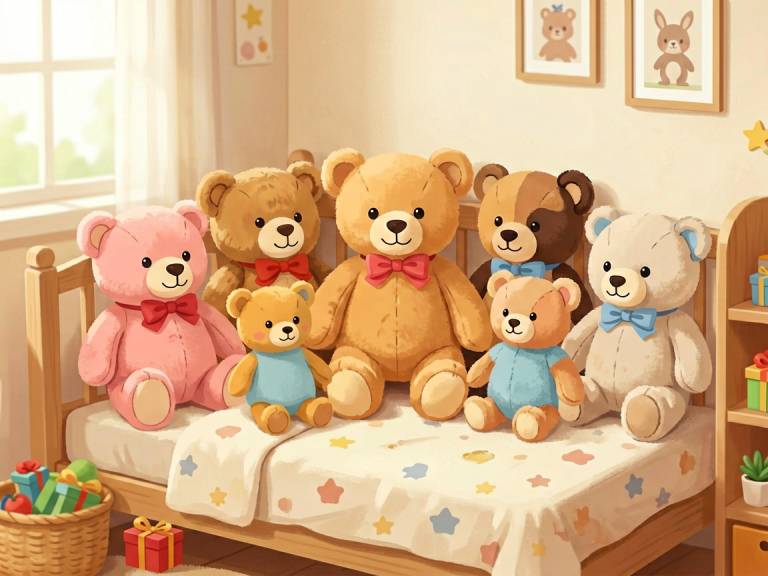
Toy clutter. It sneaks into your living room like a silent storm, burying the coffee table under a pile of mismatched Lego bricks, swallowing the hallway with stuffed animals, and turning the playroom into a chaotic obstacle course. If you are a parent, you know the feeling: stepping on a piece of a puzzle at 2 a.m., spending hours sorting out batteries from plastic figurines, and wondering why your child owns 47 fire trucks but still insists that there is “nothing to play with.” This guide is written for you. Here, we will break down why toy clutter happens, how to systematically reduce it, what to keep, and how to build lasting habits that keep your home—and your sanity—intact.
The Problem: Why Toy Clutter Happens (and Why It Matters)
Toy clutter is not just an aesthetic issue; it affects your child’s development, your mental health, and your family’s daily rhythm. Psychologists have long observed that when children are surrounded by too many options, their attention spans shorten. Instead of deeply engaging with one toy, they flit from a dinosaur to a train to a craft set, never fully immersing themselves in play. This phenomenon is often called “choice overload.” For parents, the visual chaos triggers stress hormones. A 2020 study published in the *Journal of Environmental Psychology* found that cluttered environments increase cortisol levels in women, making them feel more fatigued and less capable of parenting calmly.
But why does the clutter accumulate in the first place? Three main forces drive it. First, the gift economy: grandparents, friends, and party guests love to buy toys, and many come without any consultation with the parents. Second, marketing: children are bombarded with advertisements for the latest Paw Patrol vehicle or LOL Surprise doll, and they genuinely believe they need every single one. Third, sentimental attachment: parents themselves hold onto toys that were once favorites, thinking “maybe she’ll play with that again”—even though she hasn’t touched it in two years.
Understanding these forces is the first step. Once you realize that toy clutter is not a personal failure but a cultural and psychological phenomenon, you can approach it with compassion and a clear plan.
The Philosophy: Less Is More – The Case for Minimalism
Before you grab a black trash bag and start throwing things away, pause to adopt a guiding philosophy. The goal is not to deprive your child of joy, but to unlock deeper, more creative play. Research on early childhood development suggests that children with fewer toys actually engage in longer, more inventive play sessions. When a child has only a dozen toys instead of a hundred, they are forced to use their imagination. A cardboard box becomes a spaceship; a set of blocks becomes a castle wall.
Think of toy minimalism as “curating” rather than “decluttering.” You are the curator of your child’s play environment. Your job is to select a collection that sparks creativity, teaches skills, and fits your home’s physical space. A good rule of thumb: limit visible toys to the number that can fit on a single shelf or in a small basket. Everything else can be stored out of sight and rotated in later.
This philosophy also helps you navigate the emotional part of letting go. Instead of focusing on “wasting money” or “hurting feelings,” remind yourself that a toy that sits in a bin for 12 months is not being enjoyed. It is being wasted. Donating or selling it gives it a second life with another child who will actually play with it.
The Strategy: A Step-by-Step Decluttering Plan
Now it’s time to act. Set aside two to three hours when your child is not home (or at least occupied in another room). Put on some music, have a cup of coffee, and follow this process.
Step 1: Gather everything. Pull out every toy from every corner—under the bed, inside the closet, in the car, in the living room. Pile it all in one central location. Yes, it will look overwhelming. That’s okay. You need to see the full scope of what you own.
Step 2: Sort into four piles. Label four boxes or areas: “Keep,” “Donate,” “Trash,” and “Sentimental/Undecided.” Now go through each item one by one. Be ruthless. Ask yourself: Has my child played with this in the past three months? Is it broken beyond repair? Does it have more than 3 pieces missing? If the answer is yes to any of those, it goes into Donate or Trash. Exceptions: special handmade gifts or items with deep emotional value can go into the Sentimental box, but limit that box to, say, 10 items maximum.
Step 3: Apply the “container” rule. Decide how much space you want to dedicate to toys. For example, you might decide that all toys must fit inside one large ottoman or two shelves in the closet. Whatever your container is, once it’s full, nothing else can stay. The Keep pile must fit into that container. If it doesn’t, you need to edit further. This rule is powerful because it forces you to prioritize.
Step 4: Handle the Sentimental box. After you’ve finished the main sorting, go through the Sentimental box with a clear mind. Take a photo of the toy if you want to remember it. Then either store it in a labeled bin in the attic (and set a reminder to revisit it in six months) or donate it. Most parents find that once the toy is out of sight, they never miss it.
The System: Organizing What Remains
Decluttering is only half the battle. The other half is creating a system that stays organized day after day. Here are three principles that work for families of all sizes.
Principle 1: Use open, low shelving. For children under 6, open bins and shelves at their eye level allow them to see all their options without dumping everything on the floor. Use clear plastic bins or low baskets with picture labels (a photo of the toy type on the bin). This helps toddlers learn to put things back because they can see where they belong.
Principle 2: Rotate toys. Divide your child’s toys into three or four “sets” of about 10–15 items each. Keep one set in the play area, and store the others in closed boxes in the garage or a high closet. Every two to four weeks, swap the sets. Rotating toys makes old toys feel new again, reduces the overall mess at any one time, and cuts down on boredom.
Principle 3: Create “slow-down” zones. Designate specific areas for specific types of play. For example, a small table for puzzles and art, a rug for building blocks, a cozy corner with a few books and stuffed animals. When a toy has a home, it is much easier to return it there. Avoid the “everything in one giant bin” method, which encourages dumping and frustration.
The Maintenance: Teaching Kids to Tidy Up
No organizational system works if your child doesn’t participate in clean-up. But forcing a two-year-old to clean their room is like asking a cat to fetch. You need age-appropriate strategies.
For toddlers (1–3 years): Make clean-up a game. Sing a specific song (like “Clean Up, Clean Up, Everybody Everywhere”) every time you tidy. Keep the process short—two to three items at a time. Do it together: “Let’s see how fast we can put all the red blocks in the tub!”
For preschoolers (3–5 years): Introduce the “before bedtime reset.” Every night, before story time, your child must return one specific category of toy to its place (e.g., all cars in the garage bin). Use a timer. If they finish before the timer goes off, they get a sticker. Keep a simple chart to track successes.
For school-age kids (6–10 years): Give them ownership. Let them decide the organization of their own shelves and bins (within reason). Explain the “one in, one out” rule: If they receive a new toy, they must choose an old one to donate. This teaches responsibility and curbs accumulation before it starts.
The Long-Term: Preventing Future Clutter
The final piece of the puzzle is prevention. Without it, you will be back to a messy playroom in three months. Start by having honest conversations with relatives. Send a polite note before birthdays and holidays: “We are trying to keep our home clutter-free, so we’d love if gifts could be experiences (like tickets to the zoo) or consumable items (craft supplies, playdough). If you really want to buy a toy, please check with us first—we can suggest a few things that Wren is currently obsessed with.”
Teach your child about gratitude and giving. Once a year (e.g., before the winter holidays), sit down together and go through the toy collection. Ask: “Which toys do you think another child might love more than you do now?” Let them pack a donation box themselves. This builds empathy and reduces the emotional attachment to things.
Finally, embrace the mess—occasionally. Toy clutter is a sign that a child lives in your home. The goal is not a pristine, museum-like playroom. The goal is a balance: a space where your child can freely explore and create, but where you can also breathe. With this guide, you are equipped to achieve that balance. Start with the first step today. Your future, less-cluttered self will thank you.