The Art of Silence: A Comprehensive Guide to Choosing Quiet Toys
Introduction
In a world saturated with electronic beeps, flashing lights, and robotic voices, the concept of "quiet toys" has become a breath of fresh air for parents, educators, and children alike. Quiet toys are not just about minimizing noise—they are about cultivating an environment where focus, creativity, and calm can flourish. Whether you are looking for toys for a car ride, a doctor’s waiting room, a Montessori classroom, or simply a peaceful afternoon at home, choosing the right quiet toy requires thoughtful consideration. This article will guide you through the essential factors to consider, the types of toys that truly deliver silence, and the developmental benefits that make quiet toys indispensable. By the end, you will have a clear roadmap for selecting toys that respect your child’s need for quiet play while still offering rich, engaging experiences.
—
1. Why Quiet Toys Matter: Beyond the Decibel Level
Quiet toys are often misunderstood as merely "noiseless" objects, but their value runs much deeper. In early childhood development, the sensory environment plays a critical role. Excessive noise—especially from battery-operated toys that produce random, loud sounds—can overstimulate a child’s nervous system, leading to irritability, shortened attention spans, and even stress. Quiet toys, on the other hand, encourage what occupational therapists call "regulated" play: activities that allow the child to remain calm, focused, and in control of their own sensory input.
Moreover, quiet toys are essential in shared spaces. Libraries, houses of worship, airplanes, and siblings’ bedrooms all benefit from toys that do not disrupt the peace. Choosing quiet toys also teaches children the social skill of being considerate of others’ need for silence. In an age where constant background noise is the norm, intentionally selecting toys that foster tranquility is an act of mindfulness and respect for childhood’s natural rhythms.
—
2. Key Factors to Consider When Choosing Quiet Toys
2.1 Material and Texture: The Foundation of Quiet Play
The physical composition of a toy largely determines its acoustic footprint. Hard plastics and metals tend to clatter, while natural materials like wood, fabric, and silicone produce softer, more muffled sounds. When selecting a quiet toy, examine the material carefully:
- Wood: Solid, well-sanded wooden blocks or puzzles create a gentle *thud* when dropped, rather than a sharp *click*. Look for toys finished with non-toxic, water-based stains that do not chip.
- Fabric: Soft cloth dolls, felt play mats, and stuffed animals are inherently silent. However, be cautious of toys with internal crinkle paper or rattles—those can be deceptive.
- Silicone: High-quality food-grade silicone is flexible, durable, and nearly silent. It is ideal for teething toys, stacking cups, and sensory shapes.
- Cardboard and Paper: Quiet books, thick-paged board books, and cardboard building blocks offer satisfying tactile feedback without noise.
Avoid toys made of thin, hollow plastic that amplify sound. Also, check that any moving parts (like wheels) are coated in rubber or fabric to prevent scraping noises.
2.2 Sound Level: What Does “Quiet” Really Mean?
Not all quiet toys are created equal. A toy labeled "quiet" might still produce a soft rustle or a low hum. To evaluate the sound level, use this simple guide:
- Manual vs. Battery-Operated: Always choose manual toys over electronic ones. Even if a battery-operated toy has a volume control, it often emits a static buzz or can be accidentally turned up.
- Decibel Range: As a rule of thumb, any toy that exceeds 85 decibels (roughly the sound of city traffic) is too loud for a child’s developing ears. Quiet toys should be below 60 decibels—think of a quiet conversation or the sound of pages turning.
- Predictable vs. Surprise Sounds: Toys that produce a sudden, sharp sound (like a jack-in-the-box) are startling. Conversely, toys that make a gentle, predictable sound—such as a wooden xylophone struck softly—can be acceptable if used mindfully.
When shopping online, read customer reviews that specifically mention sound. Look for phrases like "my toddler plays quietly with this for hours" or "no batteries required."
2.3 Age Appropriateness and Safety
A quiet toy that is suitable for a 9-month-old may be dangerous for a newborn or frustrating for a 4-year-old. Consider the child’s developmental stage:
- Infants (0–12 months): Focus on soft, graspable toys: cloth crinkle books (with gentle fabric rustle), silicone teethers, and soft stacking rings. Avoid anything with small parts that can be swallowed or detached.
- Toddlers (1–3 years): Wooden puzzles, chunky lacing beads, and felt activity boards are excellent. Ensure edges are rounded and paints are non-toxic.
- Preschoolers (3–5 years): Quiet books with buttons and zippers, magnetic building tiles, and simple craft kits (like silk ribbon weaving) hold their interest without making noise.
- Older Children (5+): Strategy card games (using quiet cards), silent chess, and origami sets can be wonderfully absorbing and nearly soundless.
Always check the manufacturer’s age recommendations, but also apply your own judgment. A toy that is too complex may cause frustration, which often leads to banging or throwing—and noise.
2.4 Developmental Benefits: What Will the Child Learn?
The best quiet toys are not just silent; they are rich in learning potential. When choosing, ask yourself: Does this toy encourage:
- Fine motor skills? Threading, stacking, and buttoning all enhance dexterity.
- Problem-solving? Puzzles, shape sorters, and logic games build cognitive skills.
- Imagination? Open-ended toys like wooden animals, dollhouses, and fabric scenes allow narrative play without sound effects.
- Sensory regulation? Weighted lap pads, smooth stones, and textured balls provide calming tactile input.
Quiet toys that offer multiple uses (e.g., a set of felt pieces that can become a farm, a garden, or an ocean) will keep a child engaged longer, reducing the urge to seek stimulation through noise.
2.5 Portability and Storage
A quiet toy that is cumbersome to carry loses its practical value. Consider the context where the toy will be used:
- Travel: Look for compact, lightweight options like magnetic travel puzzles, small felt playsets, or a single silicone teether.
- Classroom: Bulkier items like wooden block sets should come with a fabric bag or a box with a soft-close lid.
- Bedtime: Ultra-soft stuffed animals or a small felt book can be kept on the nightstand.
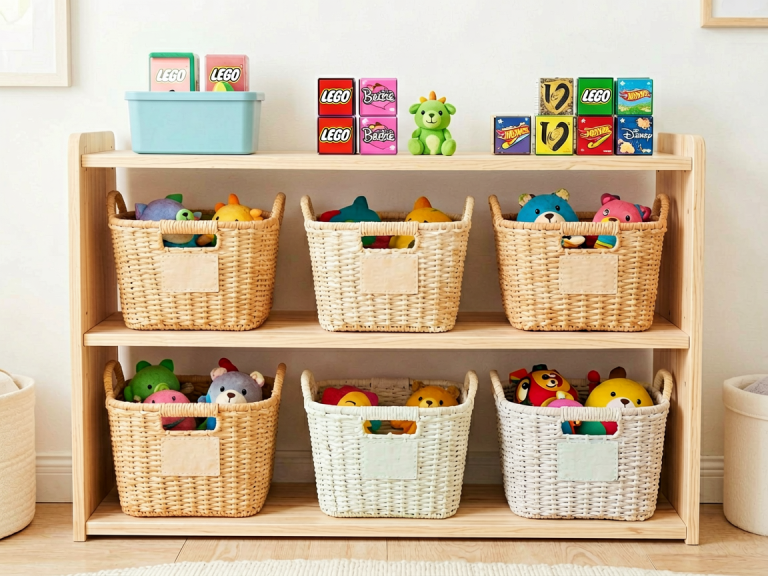
Also consider the toy’s own storage noise. A plastic bin of blocks is loud when dumped; a cloth or felt pouch is silent. Opt for storage solutions that match the toy’s quiet ethos.
—
3. Top Types of Quiet Toys (with Examples)
3.1 Wooden Building Blocks
A classic for a reason. Smooth, unfinished hardwood blocks (like those from Grimm’s or Uncle Goose) produce a gentle sound when stacked and knocked over. They foster spatial awareness, creativity, and patience. Choose sets with varied shapes (cubes, arches, cylinders) to extend play possibilities.
3.2 Silicone Stacking Cups and Teethers
Soft, flexible, and virtually silent, these are perfect for babies and toddlers. Look for cups that can be nested, stacked, or used in water play (which is also quiet if water is used gently). Brands like Lovevery and Mushie offer aesthetically pleasing, BPA-free options.
3.3 Quiet Books and Felt Activity Boards
These fabric books contain buttons, zippers, laces, and flaps that make soft rustling sounds at most. They are highly engaging and can be themed (e.g., "dressing teddy," "counting apples"). Great for car rides and church services. Some quiet books are even machine-washable.
3.4 Magnetic Tile Sets
Magnetic tiles (like Magna-Tiles or PicassoTiles) click softly when connected but do not create sustained noise. They allow endless building and teach geometry, symmetry, and balance. The translucent colors add visual appeal without sound.
3.5 Soft Dolls and Stuffed Animals Without Sound Chips
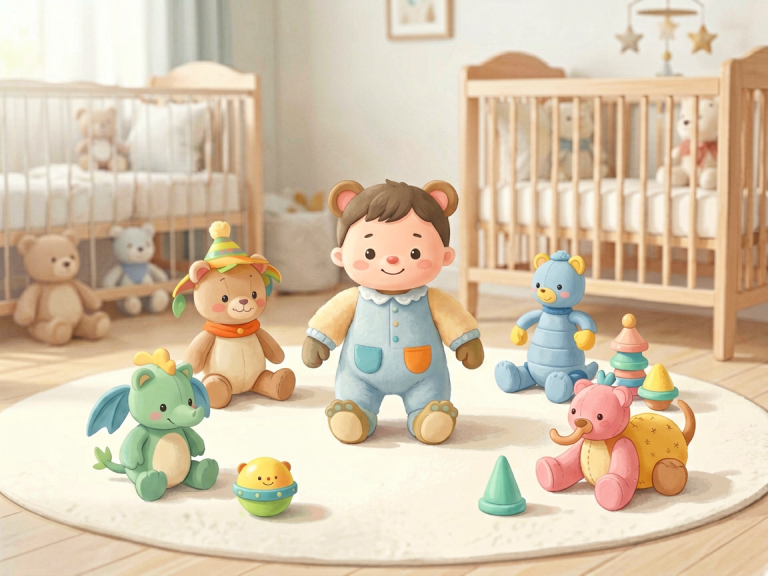
Choose dolls that are purely fabric, with no batteries or crinkle internals. Some high-quality stuffed animals have weighted beans that provide sensory feedback without noise. These toys become companions for quiet role-play and comfort during naptime.
3.6 Art Supplies: Crayons, Pastels, and Clay
Art is inherently quiet—but only if the supplies are chosen wisely. Avoid markers that click loudly or paints that require shaking. Instead, opt for beeswax crayons, charcoal pencils, or homemade playdough (silent to knead). Provide a small lap tray to contain clutter.
3.7 Lacing Beads and Threading Toys
Wooden beads with a shoelace are a Montessori favorite. They require concentration and fine motor control, and the only sound is the gentle tap of wood against wood. Ensure beads are large enough to prevent choking.
3.8 Card and Board Games with Silent Components
Many classic games can be played quietly if you swap pieces. For example, using felt cards instead of glossy ones, or playing "I Spy" with a set of silent wooden tokens. Dedicated "quiet games" like *Hoot Owl Hoot* (cooperative, no loud pieces) or *Stone Soup* (matching game with felt bowls) are excellent.
—
4. What to Avoid: The Noisy Trap
Even toys that claim to be "educational" or "interactive" can be surprisingly loud. Avoid the following:
- Battery-operated toys that sing, talk, or play music – these are the loudest offenders, and many cannot be turned off abruptly.
- Toys with hard plastic wheels – especially those that roll on hard floors; choose rubberized or wooden wheels.
- Toys that encourage throwing or banging – such as plastic hammers or metallic rattles.
- Toys with multiple loose parts that clatter – unless you have a soft storage solution.
- Toys that require a parent to "set up" with noise – like toy guns or make-believe tools that have sound effects.
When in doubt, ask yourself: "Could this toy be played with in a library? If not, it’s probably too noisy."
—
5. Practical Tips for Introducing Quiet Toys into Your Home
Transitioning to a quieter play culture does not have to be drastic. Start by rotating out the noisiest toys and replacing them with one or two high-quality quiet alternatives. Observe your child’s reaction—most children adapt quickly, especially if the new toys are more open-ended and satisfying.
- Create a "quiet corner" with a soft rug, a small basket of quiet toys, and maybe a sensory bottle or a weighted blanket.
- Model quiet play yourself: read a book or do a puzzle while your child plays nearby.
- Use timer intervals to practice quiet time: start with 10 minutes, then gradually increase.
- Avoid rewarding noise. If a child starts banging a quiet toy, calmly redirect to a different activity rather than giving attention to the noise.
Remember that quiet toys are not about forcing silence—they are about offering an alternative to the chaotic, electronic world. When a child discovers the deep satisfaction of making a castle from silent blocks or telling a story with felt animals, they learn that joy does not require a soundtrack.
—
Conclusion
Choosing quiet toys is an investment in peace, focus, and healthy development. By considering material, sound level, age appropriateness, and developmental value, you can curate a collection of toys that respect your child’s need for calm and your own need for a harmonious home. From wooden blocks to felt quiet books, the market offers an abundance of beautiful, silent playthings that spark imagination without blaring noise. The next time you reach for a toy, pause and listen. If it whispers rather than shouts, you have made the right choice. Silence, after all, is the playground where creativity truly sings.