The Ultimate Parent Guide to Buying Action Figures for Babies: Safety, Development, and Fun
As a new parent, you’re constantly bombarded with advice on what toys are best for your little one. Walk into any baby store and you’ll be overwhelmed by rainbow-colored rattles, plush animals, and stacking rings. But what about action figures? Yes, action figures—those poseable, character-driven toys typically aimed at older children—can actually have a place in your baby’s toy box, provided you choose them with care. Action figures designed or adapted for babies can stimulate visual tracking, encourage fine motor development, and even lay the groundwork for imaginative play. However, buying the wrong ones can pose choking hazards, contain toxic materials, or simply frustrate a tiny explorer. This comprehensive guide will walk you through every factor you need to consider, from safety certifications to developmental milestones, so you can confidently select action figures that will delight your baby and give you peace of mind.
Why Consider Action Figures for Babies?
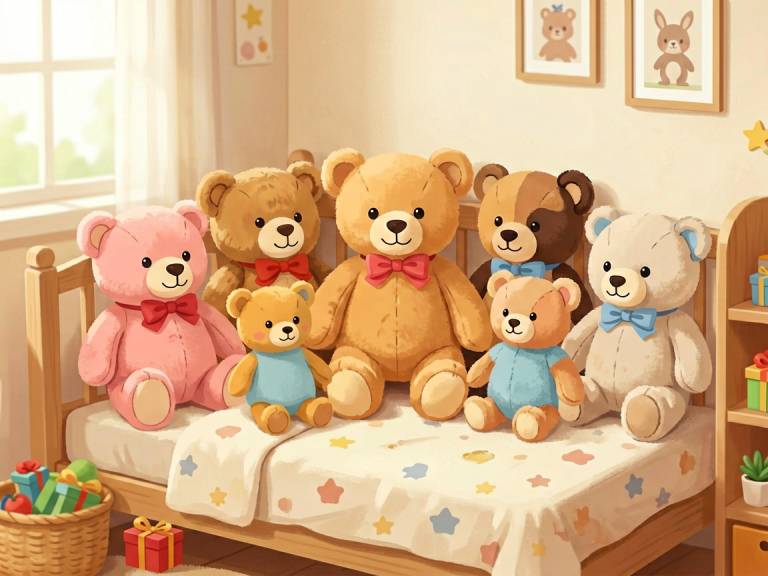
You might wonder: aren’t action figures too complex or hazardous for a baby who puts everything in their mouth? The answer is both yes and no. Traditional action figures intended for children aged 3 and up often have small detachable parts, sharp edges, or hard plastic that can cause injury. But the toy industry has recognized a growing demand for “baby-friendly” action figures—soft, chunky, and entirely safe versions of popular characters. These toys bridge the gap between infant rattles and preschool superheroes. They offer a unique blend of sensory stimulation (bright colors, varied textures), motor challenges (grasping, squeezing, transferring), and emotional connection (recognizing a friendly face like a cartoon bear or a classic animal hero). Moreover, introducing action figures early can help your baby build a foundation for later pretend play, which is critical for cognitive development, language skills, and social understanding. The key is knowing what to look for and what to avoid.
Safety First: Non-Toxic Materials and Choking Hazards
This is the single most important section for any parent guide. When it comes to babies, safety is non-negotiable. Here are the critical aspects to examine:
Material Composition
All action figures for babies must be made from non-toxic, BPA-free, phthalate-free materials. Look for toys labeled as “food-grade silicone,” “natural rubber,” or “soft, non-toxic plastic.” Avoid anything with a strong chemical smell, as that often indicates off-gassing from inferior plastics. Many reputable brands now use plant-based or recycled materials that are free from heavy metals and lead. Check for certifications such as ASTM (American Society for Testing and Materials) or EN71 (European safety standard for toys). These standards ensure the toy has been tested for chemical hazards, flammability, and mechanical safety.
Size and Choking Risks
The golden rule for babies under three years old: every part of the action figure must be larger than a standard choke tube (approximately 1.25 inches in diameter) and cannot be easily snapped or bitten off. Avoid figures with hair, capes, hats, or any removable accessories. Even if the figure is marketed as “baby-safe,” examine it yourself. If you can’t push the figure through a toilet paper roll tube, it’s generally safe. But also consider that babies can choke on small parts that break off during play—scrutinize the joints. Some action figures have glued-on limbs that can come loose. Prefer one-piece molded figures or those with securely embedded, non-detachable parts.
Sharp Edges and Points
Run your fingers over every edge of the figure. It should be completely smooth with no sharp corners or rough seams. Babies have delicate skin and gums; a sharp plastic edge can cause cuts or scratches. Soft silicone or rubber figures are ideal because they are pliable and naturally rounded. If you choose a hard plastic figure, ensure it has been polished and has no mold lines.
Age Appropriateness: From Newborn to Toddler
Babies develop rapidly, and the right action figure for a 3-month-old will differ dramatically from what a 18-month-old needs. Understanding these stages helps you make age-appropriate purchases.
0–6 Months: Sensory Exploration
At this stage, babies are just beginning to track objects with their eyes and grasp things reflexively. Action figures should be extremely soft, lightweight, and easy to hold. Look for figures made from plush fabric or soft silicone that make a gentle crinkle sound or have a rattle inside. The figure should be large enough that your baby can bat at it, but not so heavy that it hurts when dropped on a tiny face. Characters with high-contrast colors (black, white, red) or simple facial features (two dots for eyes, a smile) are visually stimulating. Avoid any strings, ribbons, or loose threads.
6–12 Months: Mouthing and Grasping
Once babies can sit unsupported and start teething, they will explore toys primarily through mouthing. Action figures for this age must be teething-friendly. Soft silicone figures with different textures (bumps, ridges, smooth surfaces) can soothe sore gums. They should also be easy to hold with small hands—chunky, with rounded limbs. At this stage, babies enjoy transferring toys from one hand to another, so figures that are about the size of a small apple are perfect. Avoid figures with painted-on details that can peel off. Look for those with simple faces molded into the material.
12–24 Months: Imitation and Early Pretend Play
Toddlers start to imitate actions they see, like feeding a doll or putting a figure to bed. Action figures for this age can have more detail but still must be durable and free of small parts. Consider figures that are poseable (sturdy joints that don’t detach) or have simple interactive features like a squeaker or a clickable button. Characters from familiar TV shows or books (e.g., a soft superhero or a cartoon animal) can spark recognition and language. However, keep accessories to a minimum—a simple hat that is molded as part of the head is safer than a removable one. At nearly two years old, some toddlers can start to understand simple stories with figures, but always supervise play to ensure no small pieces end up in mouths.
Developmental Benefits: More Than Just a Toy
You might think action figures are purely for entertainment, but they actually support several areas of baby development when chosen correctly.
Fine Motor Skills
Picking up a small (but safe) action figure, transferring it from hand to hand, and even trying to make it “walk” helps develop the small muscles in a baby’s hands and fingers. For older babies, figures with movable limbs encourage pincer grasp as they manipulate the arms and legs. Over time, this builds hand-eye coordination and dexterity that will be essential for writing and self-care tasks later.
Sensory Integration
Different textures, weights, and sounds provide rich sensory input. A soft rubber figure with a bumpy surface, a plush one with a crinkle belly, and a smooth plastic one all offer distinct tactile experiences. This variety helps a baby’s brain learn to process and interpret sensory information, which is crucial for balance, coordination, and even emotional regulation.
Language and Social Emotional Skills
When a baby sees a familiar character—like a licensed baby-friendly figure of a popular animal—they begin to associate the toy with real-life experiences or stories you tell. You can use the figure to narrate simple actions: “Bear is sleeping. Shh!” or “Superhero flies high!” This builds vocabulary, understanding of context, and emotional bonding. Babies also learn cause and effect: squeezing the figure makes a sound, or dropping it makes it bounce. These early lessons form the building blocks of logical thinking.
Imaginative Play Foundation
Even at 18 months, toddlers can mimic everyday activities with action figures. They might brush the figure’s hair, put it in a toy car, or give it a “drink” from a cup. This pretend play is a precursor to complex storytelling and problem-solving. By providing safe, simple action figures early, you’re giving your child the tools to start this important cognitive journey.
Top Features to Look for When Buying
Now that you know the safety and developmental aspects, here’s a practical checklist of features that make an action figure ideal for babies.
- One-piece construction or securely attached parts: The simplest way to avoid choking hazards. Figures that are molded entirely from a single material are best.
- Soft and squeezable material: Silicone, natural rubber, or soft vinyl are preferable to hard plastic, especially for babies under one year.
- Easy to clean: Babies drool, chew, and drop toys everywhere. Look for dishwasher-safe or wipe-clean surfaces. Avoid porous materials that can harbor bacteria.
- Bright but non-toxic colors: Dyes should be non-toxic and colorfast (won’t bleed onto skin or clothing). Prefer toys where the color is molded into the material rather than painted on.
- Lightweight and easy to grip: The figure should be sized so that a baby can wrap their fingers around it comfortably.
- No batteries or electronic components: For babies, simple mechanical or sensory features (rattles, squeakers, crinkles) are safer and more engaging than lights and sounds that can overstimulate or break.
- Characters from trusted brands: Many reputable baby-toy companies now produce action-figure-style toys (e.g., Fisher-Price, Manhattan Toy, Infantino). Licensed characters from children’s books (like “The Very Hungry Caterpillar” or “Pete the Cat”) often come in baby-safe versions.
What to Avoid: Red Flags for Parents
Even with the best intentions, some action figures are not suitable for babies. Here are specific types to steer clear of:
- Figures with removable clothing, shoes, or accessories: These are almost guaranteed to become choking hazards. Even if the accessory seems large, babies can break or chew off pieces.
- Hard plastic figures with sharp points: Many classic action figures (like traditional superheroes) have pointy ears, weapons, or protruding limbs. Even the “toddler” versions sometimes have rough edges.
- Figures with small magnets: Magnetic action figures are popular for older kids but can be extremely dangerous if swallowed—magnets can attract in the digestive tract and cause serious injury.
- “Collectible” mini-figures: These are often small, brittle, and full of tiny details. They are not intended for children under 3.
- Any toy with a strong chemical or plastic smell: This indicates cheap manufacturing and potential off-gassing.
- Figures with painted faces that flake easily: Test by rubbing the figure firmly with a damp cloth; if color transfers, skip it.
Where to Buy and How to Check Reviews
To ensure you’re getting a safe, high-quality product, purchase from reputable retailers or directly from trusted brands. Major baby stores, online marketplaces with strict safety filters (like Amazon’s “Amazon’s Choice” for baby toys), and specialty toy shops often carry curated selections. Read product reviews carefully—look for comments about durability, ease of cleaning, and whether small parts have come loose. Also check for any recalls by searching the U.S. Consumer Product Safety Commission (CPSC) database or equivalent in your country. Don’t rely solely on the product description; see real photos and videos from other parents.
Recommendations: A Few Safe Choices to Start
While I can’t endorse specific brands without risk of them changing, here are categories of action figures that generally meet baby safety standards:
- Silicone Teething Figures: Animal-shaped or character-shaped figures made of food-grade silicone, often with rings or easy-grasp handles. They are essentially teethers with face details.
- Plush Action Figures: Soft cloth figures with simple embroidered faces and no loose parts. Some have rattle or crinkle inserts. They’re great for cuddling and sensory play.
- Rubber Bath Figures: These are often designed for water play, made from phthalate-free rubber, and are large enough to be safe. They can double as dry-time toys.
- “First Action Figure” Sets by Baby Brands: Companies like Lamaze, Bright Starts, and VTech (for older toddlers) produce series of figure-like toys specifically for infants.
Caring for Your Baby’s Action Figures
Once you bring home your carefully selected action figures, proper care keeps them safe. Wash new toys before first use with mild soap and warm water; rinse thoroughly. For silicone or rubber, you can boil them briefly (check manufacturer guidelines). For plush figures, machine wash on a gentle cycle and air dry. Inspect the figures regularly for cracks, tears, or loose parts. If a figure shows signs of wear, discard it immediately. Store them in a clean, dry container away from direct sunlight, which can degrade material.
Conclusion: Make Informed Choices for Joyful Play
Buying action figures for your baby is not about rushing their childhood or exposing them to complex media. It’s about embracing a new dimension of play that goes beyond passive rattles and mobiles. When selected with safety, age-appropriateness, and developmental benefits in mind, action figures can become cherished companions that grow with your child. They can be the first “characters” your baby loves, the tools for your first pretend games, and the safe objects that teach cause and effect, language, and connection. As with all parenting decisions, knowledge is power. Now that you understand the material standards, choking hazards, age guidelines, and developmental perks, you can walk into any store or browse any website with confidence. Remember: the best action figure for your baby is one that makes both of you smile—and that you can hand over without worry. Happy shopping, and enjoy every tiny superhero moment ahead.