The Timeless Treasure: Why Second-Hand Toys Are Perfect for Six-Year-Olds
In an era dominated by glossy advertisements, unboxing videos, and the relentless pursuit of the “newest and shiniest,” the humble second-hand toy often languishes in the shadows of thrift stores, garage sales, and online marketplaces. Yet for children aged six—a pivotal age of blossoming imagination, burgeoning social skills, and rapid cognitive development—pre-owned toys can be far more valuable than their factory-fresh counterparts. This article explores the multifaceted benefits of second-hand toys for six-year-olds, addressing developmental needs, environmental responsibility, economic sense, and the subtle art of mindful consumption. By looking beyond the packaging, we uncover a world where toys don’t just entertain; they teach resilience, creativity, and connection.
The Developmental Sweet Spot: Why Six-Year-Olds Thrive on Open-Ended Play
At age six, children are no longer toddlers who mouth every plastic block, nor are they sophisticated pre-teens who demand the latest electronics. They inhabit a magical middle ground: their fine motor skills are improving, their vocabularies are expanding, and their capacity for pretend play is at its peak. This is precisely the age when open-ended toys—those that can be used in multiple ways—are most beneficial. Second-hand markets are treasure troves of such toys.
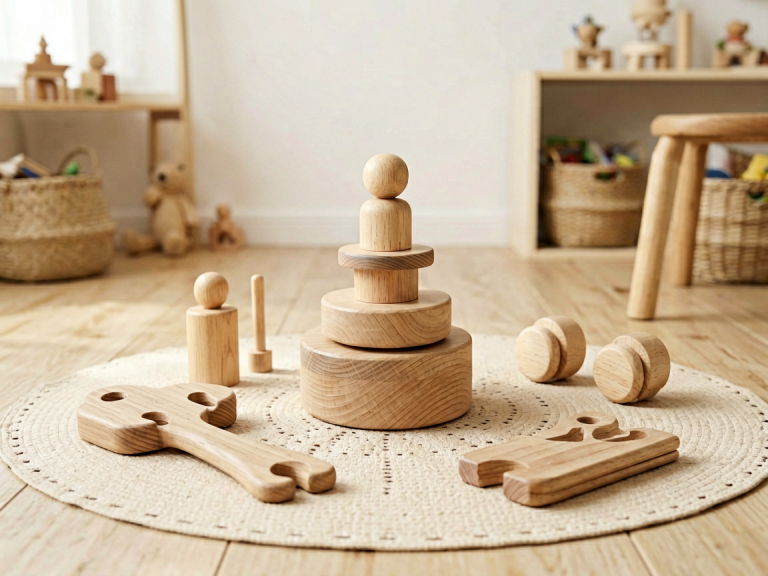
Consider classic wooden building blocks. A set purchased second-hand may have chipped edges and faded paint, but those imperfections tell stories of previous play sessions. For a six-year-old, these blocks are not just stacking units; they become castle walls, spaceship cockpits, or dinosaur habitats. Unlike many modern electronic toys that dictate a single script, second-hand blocks encourage divergent thinking. Research in child development consistently shows that open-ended play fosters problem-solving skills and executive function—abilities that are far more predictive of future academic success than rote memorization.
Furthermore, second-hand toys often include discontinued or unusual pieces that spark curiosity. A vintage set of plastic animals, for instance, might include a platypus or a pangolin—creatures not typically found in standard animal collections. This introduces a child to biodiversity in a natural, play-based way. The six-year-old brain is wired to absorb information through hands-on interaction, and second-hand toys, precisely because they are not curated by marketing departments, offer serendipitous learning opportunities.
Economic Wisdom and Financial Literacy for Young Minds
The monetary argument for second-hand toys is straightforward, but its implications extend far beyond saving a few dollars. On average, a brand-new toy for a six-year-old (a LEGO set, a board game, or an action figure) can cost between $20 and $60. A comparable second-hand item often sells for a fraction of that price—sometimes just $2 to $10. Over the course of a year, a family can save hundreds of dollars by choosing pre-owned options.
But the economic lesson does not stop at the checkout counter. Parents and educators can use the second-hand toy experience to introduce six-year-olds to early concepts of value, exchange, and resource management. When a child receives a second-hand dollhouse, for example, a parent can explain: “This house was loved by another little girl. She took good care of it, and now it’s your turn. We didn’t need to buy a new one because this one is still full of fun.” This simple conversation plants seeds of gratitude and anti-consumerist thinking.
Six-year-olds are also old enough to participate in the process of acquiring second-hand toys. Taking them to a charity shop or a neighborhood swap meet allows them to see that toys have a life cycle. They can learn to compare prices, identify items in good condition, and even negotiate politely. These are real-world financial literacy skills that no app or worksheet can teach. Moreover, when a child invests their own allowance into a second-hand toy they have chosen, they tend to value it more and play with it longer—a powerful countermeasure to the “new toy boredom” syndrome.
Environmental Impact: Raising Eco-Conscious Citizens
The environmental benefits of second-hand toys are immense and deserve a place in any discussion of childhood consumption. The toy industry is a major contributor to plastic waste. According to a 2022 report from the Ellen MacArthur Foundation, 90% of toys are made from plastic, and a staggering 80% of them end up in landfills or incinerators within a year of purchase. For a six-year-old, who is just beginning to understand that the world is a shared home, choosing second-hand toys offers a tangible lesson in stewardship.
When a parent explains, “By buying this used puzzle, we are not asking the factory to make a new one, and we are saving that plastic from being thrown away,” the child begins to grasp cause and effect. Six-year-olds are famous for their “why” questions, and they are capable of understanding that their choices matter. Over time, this can cultivate a deep-seated environmental ethic. Many families report that children who grow up enjoying second-hand toys become the teenagers who remind their parents to recycle and the adults who support circular economies.
Additionally, second-hand toys often come without excessive packaging. The cardboard boxes, plastic blister packs, and twist ties that accompany new toys are an environmental burden that pre-owned items bypass. A six-year-old who unwraps a used train set from a simple cloth bag learns that excitement does not require layers of disposable wrapping. This is a subtle but powerful environmental education.
Fostering Social Skills and Empathy Through Shared Histories
One of the less obvious but deeply meaningful benefits of second-hand toys is their ability to teach empathy and connection. A six-year-old is developmentally ready to understand that objects have histories. A worn teddy bear with a missing button eye is not “damaged”; it is a character with a story. Parents can fabricate or elaborate narratives: “This bear belonged to a little boy named Sam. He loved to take it on car trips. Now it’s excited to go on adventures with you.” This kind of storytelling nurtures a child’s theory of mind—the ability to imagine others’ perspectives.
In social play, second-hand toys also level the playing field. When children gather for playdates, the child with a unique second-hand toy—a retro fire truck, an unusual board game from the 1990s—often becomes the center of curiosity. Instead of competing for the same popular new gadget, children negotiate and share, building communication skills. Furthermore, second-hand toys can bridge socioeconomic gaps. A child from a less affluent family can bring a perfectly good second-hand toy to a birthday party without feeling inferior, because the toy is interesting and well-loved.
The act of donating or passing on toys is another powerful lesson. When a six-year-old outgrows a second-hand toy, they can participate in the decision to send it to another child. This teaches generosity and closure. They learn that letting go is not a loss but a gift—a concept that is challenging for children (and adults) but essential for emotional maturity.
Practical Considerations: Choosing Safe and Age-Appropriate Second-Hand Toys
While the benefits are compelling, parents must exercise caution when selecting second-hand toys for six-year-olds. Safety is paramount. Toys manufactured before modern safety regulations (especially those from the 1970s or earlier) may contain lead paint, small parts that pose choking hazards, or brittle plastics that can splinter. However, most second-hand toys from the past 20 years are perfectly safe as long as they are inspected.
A practical guide for parents includes:
- Check for wear and tear: Avoid toys with sharp edges, loose parts, or damaged seams (especially in stuffed animals).
- Beware of small pieces: Six-year-olds still put things in their mouths occasionally. Ensure that any toy with removable parts is not too small (the standard “toilet paper tube” test: if a part fits inside, it’s a choking hazard for younger children).
- Avoid electrical hazards: Battery compartments should be secured with screws, not tape. Any frayed wires or rusted battery contacts mean the toy should be discarded.
- Clean thoroughly: A gentle wash with mild soap and water, or a cycle in the washing machine for fabric toys, makes second-hand toys hygienic. Sun drying is a natural disinfectant.
- Verify recalls: The U.S. Consumer Product Safety Commission maintains a list of recalled toys. A quick online search can confirm that a vintage item is not a recalled model.
These safety checks are a small price to pay for the immense value second-hand toys provide. Moreover, involving a six-year-old in the inspection process—showing them how to look for missing parts or dirt—teaches responsibility and critical thinking.
Nurturing Creativity with Imperfection
Perhaps the most profound gift of second-hand toys is that they are rarely perfect. A slightly faded puzzle may be missing two pieces; a doll’s hair might be a tangled mess; a board game could have handwritten house rules scribbled in the box. For a six-year-old, these imperfections are not flaws—they are invitations to innovate.
A child who receives a jigsaw puzzle missing three pieces must decide: Can I make the picture look complete anyway? Can I draw the missing pieces myself? Or should I use the pieces to create a new game? This flexibility is at the heart of creative thinking. In contrast, a brand-new, perfectly sealed puzzle offers only one outcome: fit the pieces exactly. The perfectly imperfect second-hand toy demands adaptation.
Similarly, second-hand toys often come with hybrid accessories—a knight from one set, a castle from another, horses from a third. This encourages combinatorial creativity. The six-year-old who combines disparate elements into a cohesive story is practicing the very skill that drives innovation in art, science, and business. In a world that increasingly values “outside the box” thinking, second-hand toys are the ultimate training ground.
Conclusion: A Circle of Love and Learning
Second-hand toys are far more than budget-friendly alternatives. For a six-year-old, they are portals to imagination, tools for learning, and bridges to empathy. They teach children that value does not lie in newness but in use, that stories live in objects, and that caring for the planet begins with small choices. By embracing the second-hand toy, families can reduce waste, save money, and—most importantly—raise children who are resourceful, grateful, and environmentally aware.
As the child grows, so does the circle: the toy that once belonged to another now brings joy to a new owner, and will someday be passed on again. In this cycle, no toy is ever truly “used up.” It is simply getting more love. And for a six-year-old, whose world is expanding every day, that love is the most valuable currency of all. So the next time you see a garage sale sign or browse a second-hand app, remember: you are not just buying a toy. You are investing in a childhood rich with meaning, creativity, and connection.