Safe and Stimulating: A Parent’s Guide to Choosing LEGO‑Style Bricks for Babies
Introduction
When we think of building blocks, the iconic LEGO brick often springs to mind—colorful, interlocking, and endlessly creative. But when the builder in question is a baby, the standard LEGO piece becomes not just impractical but genuinely dangerous. Babies explore the world through their mouths, and a tiny 2×2 brick is a choking hazard. This is why selecting the right “LEGO‑style bricks” for babies requires careful thought. The term “LEGO‑style” here refers to any brand of large, interlocking building blocks designed for very young children, including LEGO’s own DUPLO line and countless compatible alternatives from brands like Mega Bloks, Mondo, and others. In this guide, we will walk you through the essential factors that ensure these bricks are safe, developmentally appropriate, and genuinely engaging for infants and toddlers from around six months to three years of age.
Understanding Baby Development and Play Needs
Before you buy a single brick, it helps to understand what a baby actually gets out of stacking and knocking down blocks. Between six and twelve months, babies develop hand‑eye coordination and the pincer grasp. They bang objects together, drop them, and observe cause and effect. Blocks that are too small frustrate this process; blocks that are too light may not provide enough sensory feedback. From twelve months onward, toddlers begin to attempt stacking, sorting by color, and even simple pretend play. The best LEGO‑style bricks for babies support these milestones without overwhelming them. A good set will encourage exploration rather than strict construction. For example, a baby might enjoy simply holding a large brick, feeling its texture, and then watching it fall—a precursor to later engineering thinking.
Safety First: Materials, Size, and Choking Hazards
Safety is the non‑negotiable priority. All bricks intended for babies must be large enough that they cannot fit entirely into a baby’s mouth. The standard for toys for children under three years is that the piece must be at least 1.25 inches (about 3.2 cm) in diameter to prevent choking. LEGO DUPLO bricks, for instance, measure roughly 1.25 by 0.75 inches, which is safe. However, some off‑brand “compatible” blocks may be slightly smaller, so always check the packaging for an age recommendation of 18 months or older. Additionally, examine the material. The bricks should be made from non‑toxic, BPA‑free plastic. Reputable brands display certifications such as CE, ASTM, or EN71. Also, look for rounded edges and a smooth finish to avoid scratches or sharp corners. Avoid sets that include small accessories—like tiny flowers or little figures—unless they are securely attached or clearly labeled for older toddlers under supervision.
Age‑Appropriate Sets: DUPLO vs. Other Brands
LEGO’s DUPLO line is the gold standard for babies and toddlers. The bricks are twice the size of classic LEGO pieces, easy for small hands to grasp, and they interlock with a satisfying click that is just loose enough for a toddler to separate. DUPLO sets often come with theme‑based elements—animals, vehicles, basic people—that introduce narrative play. However, the price can be high. Many parents turn to compatible alternatives such as Mega Bloks (now Fisher‑Price), which offer extra‑large blocks that are even easier for the youngest babies. Mega Bloks first builders sets are soft‑plastic, lightweight, and typically come in a bucket with a lid that doubles as a shape sorter. Another option is Mondo, which produces jumbo blocks that are hollow and very light, ideal for babies who are just learning to stack. The key is to match the brick size to your baby’s current motor skills. A six‑month‑old may benefit from soft, squeezable blocks that do not require precise alignment. A one‑year‑old will enjoy the classic interlocking DUPLO brick. By the time your child is two, you can introduce sets with slightly more complex pieces, like wheels or hinged parts, always ensuring they are still too large to swallow.
Educational Value: Colors, Shapes, and Fine Motor Skills
LEGO‑style bricks for babies are not just toys; they are tools for cognitive and physical development. When selecting a set, look for a variety of bright, primary colors that help with visual discrimination. Many sets include blocks with printed numbers, letters, or simple patterns, which can be used later for early learning. But for the under‑two crowd, the real educational value lies in the process. Picking up a brick, aligning it with another, and pressing down strengthens the small muscles in the hands and fingers. Stacking teaches balance and spatial reasoning. Knocking a tower down teaches cause and effect and can be a lesson in gravity—often a hilarious one. As your baby grows, you can introduce sorting by color or size. Some brands offer themed sets like “farm” or “zoo” that include animal figures; these can be used for simple naming and pretend play. The best sets grow with the child. For instance, a basic 80‑piece DUPLO bucket allows your baby to start with simple stacks, then graduate to houses, cars, and eventually entire scenes. When choosing, resist the urge to buy the most complex set. A small number of well‑chosen pieces (20–40) is far more beneficial for a baby than a giant tub of overwhelming options.
Durability and Ease of Cleaning
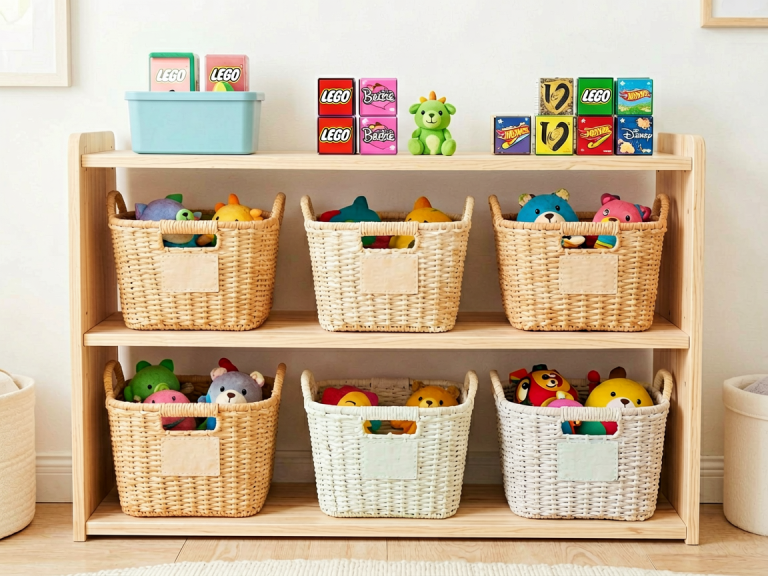
Babies are messy. Blocks get dropped on the floor, stepped on, thrown, and inevitably drooled on. Your chosen bricks must withstand repeated washing. Hard plastic bricks (like DUPLO and most compatible brands) can be cleaned with mild soap and warm water, or even run through the top rack of a dishwasher in a mesh bag. Avoid bricks that have fabric components or battery‑operated electronics unless they are sealed and washable. Also consider the brick’s ability to withstand biting. Some cheaper off‑brands may crack or splinter under the pressure of a baby’s gums; test the sturdiness by squeezing a brick between your fingers. It should not flex or creak. Finally, think about storage. The bricks should fit neatly into a container with a lid that a baby cannot open easily (to prevent dumping), but that you can access readily. A sturdy bucket or a zip‑up bag works well. Avoid wooden blocks if you specifically want LEGO‑style interlocking bricks, as wood does not click together reliably and may have different safety concerns like splinters.
Tips for Introducing LEGO‑Style Bricks to Your Baby
Even the perfect set will fall flat if introduced incorrectly. Start by simply placing a few large bricks in front of your baby while they are in a high chair or on a play mat. Let them explore with their hands and mouth (under supervision). Show them how to stack two bricks—and then delight when they knock them over. Never force a building goal on a baby; the joy is in the sensory experience. As your baby becomes a toddler, model simple constructions like a tower or a wall. Use language: “Let’s put the red one on top!” This builds vocabulary. Rotate the bricks every few weeks to maintain novelty. If your baby loses interest, it may be because the bricks are too similar; try introducing a new color or a figure. Lastly, always monitor for wear. If a brick becomes cracked or develops sharp edges, discard it immediately. By choosing wisely and playing patiently, those humble LEGO‑style bricks can become the foundation for a lifetime of creativity, problem‑solving, and joy.
Conclusion
Selecting LEGO‑style bricks for a baby is about balancing safety, developmental appropriateness, and long‑term value. The ideal brick is large enough to prevent choking, made from non‑toxic materials, and easy for tiny hands to manipulate. Whether you choose the premium DUPLO line or a compatible alternative like Mega Bloks, the core principle remains: the toy should serve the baby’s natural curiosity, not the parent’s nostalgia. By focusing on size, safety, simplicity, and durability, you can provide your little one with a building experience that is both stimulating and secure. As they grow from banging blocks to constructing towers, you will witness the magic of early learning—one click at a time.