Should I Buy LEGO Style Bricks for Babies? A Comprehensive Guide for Parents
—
Introduction
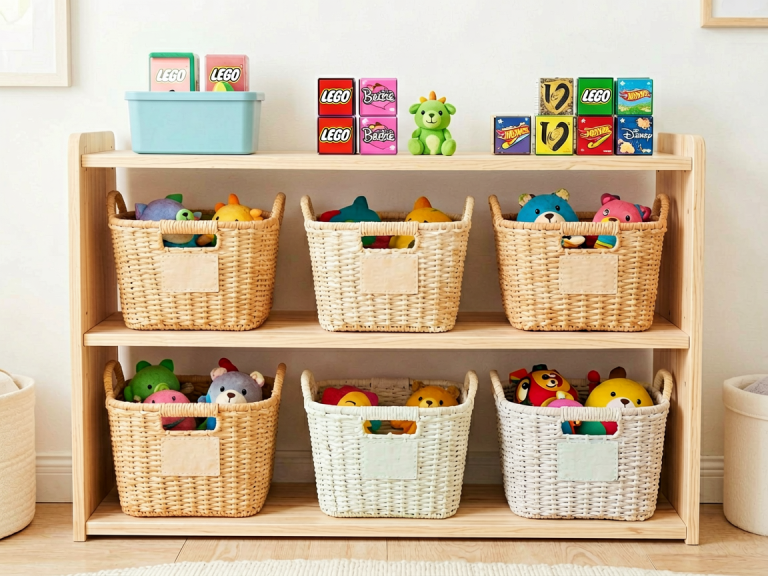
Every parent wants to give their child a head start in development, and building blocks have long been praised as a classic educational toy. When you see colorful LEGO-style bricks lining store shelves, it is tempting to buy a set for your baby, especially if you are a fan of the iconic brand yourself. But is this a wise decision? Babies explore the world through their mouths, their hands, and their first tentative movements – and small plastic bricks may not be the safest or most suitable choice. In this article, we will examine the pros and cons of introducing LEGO-style bricks to babies under the age of one, discuss safety considerations, explore developmental milestones, and offer practical guidance for parents who want to foster early learning without compromising safety.
—
Understanding the Appeal of LEGO Style Bricks
LEGO bricks are renowned for their ability to encourage creativity, fine motor skills, problem-solving, and spatial awareness. The generic “LEGO style” bricks (compatible with standard LEGO) are often more affordable and come in larger sets. For older toddlers and preschoolers, they are a fantastic tool. However, for babies – a term typically referring to children aged 0 to 12 months – the situation is different. Parents may be drawn to these bricks because they see older siblings enjoying them, or because they want to introduce STEM concepts early. But the developmental needs of a baby are distinct. At this stage, sensory exploration, cause-and-effect play, and gross motor development take priority over the precision required to snap two bricks together.
—
Safety Concerns for Babies
The most important consideration when buying any toy for a baby is safety. Standard LEGO bricks measure about 1.1 cm across, which is large enough to pose a choking hazard for infants. The small size of a single brick, not to mention the even smaller pieces like minifigures, wheels, or accessories, can easily fit into a baby’s mouth. According to the U.S. Consumer Product Safety Commission, any object that can pass through a choke tube (approximately 3.17 cm in diameter) should be kept away from children under three years old. LEGO bricks easily pass through that tube. Babies lack the coordination and judgment to avoid putting small objects in their mouths, and a choking incident can be life-threatening.
Moreover, babies love to bang toys against surfaces. Hard plastic bricks can have sharp edges or corners that could cause injury if a baby falls or swings them near their face. Even LEGO's own labeling recommends their Classic sets for ages 4 and up, and DUPLO – the larger brick line – for ages 1½ to 5. This is a clear signal that standard-sized bricks are not intended for babies.
—
Developmental Benefits: Are They Real?
Proponents of early block play argue that interlocking bricks help develop fine motor skills, hand-eye coordination, and cognitive abilities. However, these benefits are contingent on a child being able to manipulate the pieces effectively. A baby of 6 to 12 months typically cannot pinch with enough precision to align two LEGO bricks and press them together. They may be able to hold a single brick and mouth it, or drop it into a container, but that does not require the specific interlocking mechanism. The frustration of trying and failing to snap bricks together may lead to tears rather than joy.
On the other hand, larger building blocks like soft foam blocks or oversized plastic DUPLO bricks offer similar benefits without the risk. Babies can stack, knock down, and grasp these blocks safely. The developmental gains from block play come from the act of manipulating objects, not from the exact shape of the brick. Therefore, if your goal is to promote motor development, there are far better alternatives than standard LEGO-style bricks.
—
The Right Age to Introduce Building Blocks
Pediatricians and early childhood experts generally recommend that children be at least 18 to 24 months old before they play with small, interlocking bricks. At that age, the risk of swallowing small parts is reduced (though still present), and the fine motor skills needed to connect bricks are emerging. For babies, the ideal construction toys are:
- Soft fabric blocks (safe for mouthing, lightweight)
- Large plastic blocks (e.g., Mega Bloks First Builders, DUPLO)
- Wooden stacking rings or nesting cups
- Foam stacking blocks with rounded edges
These options allow babies to explore cause and effect (stack and topple), develop hand-eye coordination, and experience sensory input without the choking hazard. Even DUPLO bricks, which are about twice the size of standard LEGO, are not recommended for children under 18 months according to some manufacturers, because of the risk of biting off small pieces or the presence of small accessories.
—
Alternative Toys for Infants
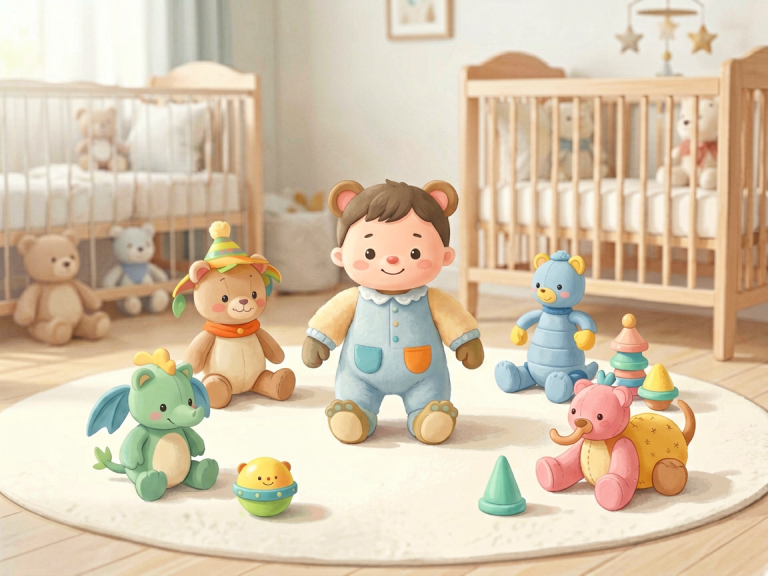
If you are eager to provide an enriching play environment, consider toys that match your baby’s developmental stage. At 0–6 months, focus on rattles, teethers, soft books, and toys that encourage grasping. At 6–12 months, babies enjoy cause-and-effect toys such as pop-up blocks, shape sorters with large pieces, and push-pull toys. Simple stacking cups, nesting sets, and oversized interlocking blocks (like the ones from Fisher-Price or Melissa & Doug) are excellent choices. These toys support the same cognitive skills – spatial reasoning, problem-solving, and hand-eye coordination – without the risks associated with tiny bricks.
Moreover, many parents find that their baby is more interested in the *container* (the box or bucket) than the actual bricks. Babies at this age love to dump, fill, and carry items. A set of large, lightweight blocks in a sturdy bucket can provide hours of engaging play that is safer and more age-appropriate.
—
Tips for Choosing Safe Building Toys
- Check the age recommendation – Always look for the manufacturer’s suggested age range. If it says “3+,” take it seriously for babies.
- Avoid small parts – Any toy that could fit inside a toilet paper roll is too small for a baby.
- Look for BPA-free, non-toxic materials – Babies put everything in their mouths, so ensure the plastic or wood is safe.
- Consider soft alternatives – Foam or silicone building blocks are gentle and safe for babies.
- Supervise closely – Even with age-appropriate toys, a baby should never be left unattended.
If you still wish to introduce LEGO-style bricks because an older sibling uses them, create a separate play area. Keep the small bricks out of reach and only allow the baby to play with supervised, extra-large DUPLO blocks. Some parents use a “only when sitting on my lap” rule to ensure safety.
—
Conclusion
So, should you buy LEGO style bricks for your baby? The short answer is: no, not the standard ones. The choking hazard far outweighs any potential benefit for an infant under 18 months. Instead, invest in larger, age-appropriate building blocks that support safe exploration and development. As your child grows, you can gradually introduce smaller bricks once they understand not to mouth them and have the fine motor skills to enjoy them. Your baby will have plenty of time to become a LEGO master – give them a safe and joyful start with toys designed for their precious early months.