Are LEGO Style Bricks Good Birthday Gifts? A Comprehensive Evaluation
Introduction: The Timeless Appeal of Building Blocks
For decades, LEGO bricks have been a staple of childhood playrooms and adult collections alike. Their popularity has spawned countless imitations—generic “LEGO-style” bricks that are compatible with the original system but often come at a fraction of the cost. When a birthday approaches, many gift-givers wonder: *Are these building blocks a good choice?* The answer, as with most thoughtful presents, depends on the recipient’s age, interests, and the context of the gift. In this article, I will explore the advantages and disadvantages of giving LEGO-style bricks as birthday presents, examine their suitability for different age groups, and offer practical guidance to help you decide whether a box of colorful plastic bricks belongs under the birthday wrapping paper.
What Exactly Are “LEGO Style Bricks”?
Before diving into the merits, it is important to clarify the term. LEGO-style bricks refer to any building blocks that are fully compatible with the official LEGO system—same stud size, same clutch power, same interlocking mechanism. These include bricks from brands such as Mega Bloks, COBI, Sluban, and countless generic sets sold on e‑commerce platforms. While the quality may vary, many of these alternatives offer the same fundamental experience of creativity and construction at a significantly lower price point. For the purposes of this discussion, I treat them as a broader category of open-ended construction toys, acknowledging that premium official LEGO sets and generic bricks are not identical but share the same core concept.
The Strongest Arguments in Favor (Why They Make Excellent Birthday Gifts)
1. Unmatched Creativity and Open-Ended Play
No birthday gift encourages imaginative thinking quite like a pile of interlocking bricks. Unlike a video game or a pre‑assembled toy, bricks have no fixed narrative. A child can build a castle one day, a spaceship the next, and a dinosaur the day after that. This open-ended nature fosters divergent thinking, problem-solving skills, and the ability to visualise three‑dimensional structures. For a birthday—a celebration of the individual—a gift that amplifies the recipient’s own creativity is especially meaningful. It says, “I trust your imagination, and I want to give you the tools to express it.”
2. Versatility Across Ages and Interests
LEGO-style bricks are one of the few gift categories that can appeal to a two‑year‑old (with large Duplo‑style blocks) and to a seventy‑year‑old engineer. For younger children, large blocks develop fine motor skills and hand‑eye coordination. For teenagers, complex architecture sets or mechanical kits (motors, gears, pneumatics) can introduce basic engineering concepts. For adults, licensed sets (cars, landmarks, movie scenes) offer a relaxing, almost meditative hobby. Because birthday parties often include guests of different ages, a set of bricks can be the rare gift that grows with the child or becomes a lifelong passion.
3. Social and Collaborative Potential
Many LEGO-style sets are designed for multiple builders. A large bucket of bricks or a themed set (e.g., a pirate ship, a city plaza) can be assembled together by siblings or friends during a birthday party. This social aspect transforms the gift from a solitary activity into a shared memory. Moreover, the act of building together encourages communication, negotiation, and teamwork—skills that are valuable far beyond the playroom. For a birthday, which is inherently a social event, a collaborative construction toy enhances the celebratory atmosphere.
4. Affordability and Accessibility
Legitimate LEGO sets can be exorbitantly expensive—a single large licensed set can cost hundreds of dollars. LEGO-style bricks, especially bulk lots from generic brands, provide a cost‑effective alternative. This means you can give a *generous* gift (a big box of bricks, multiple mini‑sets, or a themed bundle) without breaking your budget. For families on a tight budget, or for group gifts where multiple people contribute, these bricks are an ideal solution. The lower price also reduces the anxiety of “wasting money” if the child does not immediately fall in love with the gift.
5. Educational Value That Lasts
Numerous studies have shown that construction play improves spatial reasoning, mathematical thinking, and even language development (when children narrate their builds). Bricks also teach patience, resilience (when a tower collapses) and the satisfaction of iterative improvement. As a birthday gift, it is not just a momentary thrill—it is an investment in the child’s cognitive growth. And because bricks can be reused indefinitely, the educational value compounds over years.
Potential Drawbacks (When LEGO-Style Bricks Might Not Be the Best Choice)
1. Quality and Compatibility Concerns
Not all LEGO-style bricks are created equal. Cheap imitations may have inconsistent clutch power (too tight or too loose), sharp edges, or color fading. Some bricks do not fit properly with official LEGO, leading to frustration during assembly. If the recipient already owns a large collection of genuine LEGO, mixing in low‑quality bricks can ruin the building experience. Before buying, research the brand. Reputable alternatives (COBI, Lepin, Mould King) are generally safe, but anonymous “off‑brand” buckets sold on discount sites should be avoided.
2. Overwhelming for Very Young Children
While large Duplo blocks are excellent for toddlers, standard LEGO-style bricks (the classic 4×2 size) are a choking hazard for children under three. Even older preschoolers can become overwhelmed by thousands of tiny pieces if they lack adult supervision. A birthday gift that requires constant parental intervention may frustrate both the child and the parents. For ages 3–5, choose sets with larger pieces and a clear, simple building purpose.
3. Lack of Thematic Direction
Some children prefer narrative-driven toys—dolls with a story, action figures with a universe, or video games with a plot. A bag of loose bricks, without a specific model to build, can feel abstract and unexciting. While creative children thrive on open‑ended play, others need a clear goal. A generic brick bucket might sit untouched while a themed set (a Harry Potter castle, a Star Wars starship) would be immediately engaging. If you do not know the child’s interests, a plain brick box may be a miss.
4. Storage and Mess
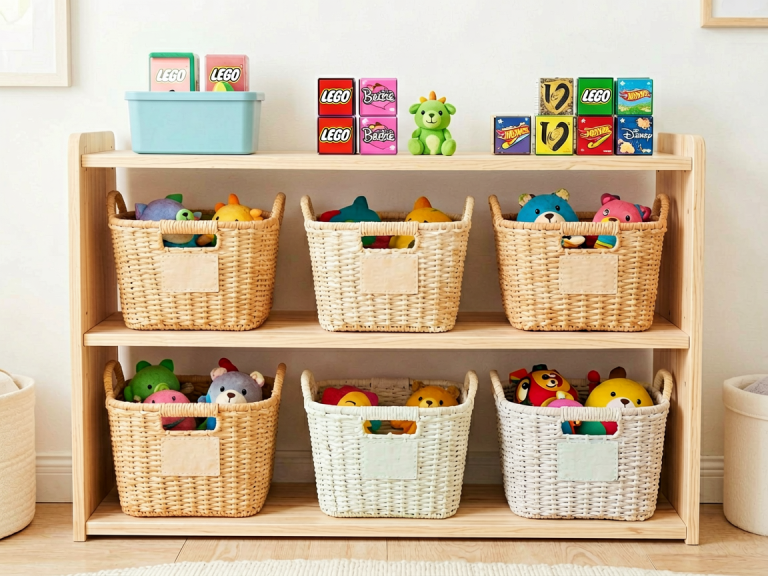
Let’s be honest: bricks are messy. They scatter across floors, hide under furniture, and cause painful barefoot steps. Parents often dread the cleaning aftermath. A birthday gift that adds to household clutter may not be appreciated by the adults hosting the party. Moreover, without a proper storage system, bricks get lost quickly, diminishing the set’s value. If you choose bricks, consider pairing them with a storage box or a sorting tray.
5. The “Cheap” Perception
Some children (and adults) are brand‑conscious. A LEGO-style brick set from an unknown brand may be perceived as “fake” or “inferior.” On a birthday, when the focus is on making the child feel special, a gift that is visibly cheaper than what their friends might receive could cause disappointment. This is not a universal problem, but it is worth considering the social context. For serious LEGO enthusiasts, off‑brand bricks might even be unwelcome.
Age-Based Recommendations (Who Should Receive LEGO-Style Bricks?)
Toddlers (1–3 years): Yes, but only DUPLO-style large bricks.
Choose oversized, chunky blocks that are easy to grasp and impossible to swallow. Avoid sets with small decorative pieces (trees, flowers, minifigures) that can break off. The gift should be about exploration, not complex construction.
Preschoolers (4–6 years): Yes, with simple sets and clear instructions.
At this age, children enjoy both free creative building and guided projects. A small set with iconic themes—a car, a house, an animal—works well. Avoid huge bulk buckets that cause decision paralysis. Also, ensure the bricks are from a reputable brand (Mega Bloks, LEGO Duplo-compatible) to prevent choking risks from badly manufactured pieces.
School‑Age Children (7–12 years): Absolutely, but tailor the theme.
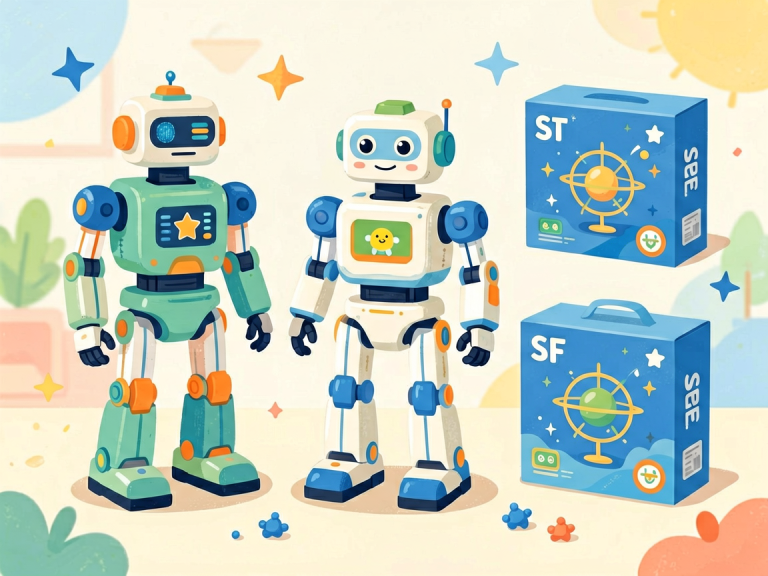
This is the sweet spot for LEGO-style bricks. Kids have fine motor control, patience, and the ability to follow complex instructions. Themed sets aligned with their hobbies—space, racing, fantasy, video games—are almost guaranteed hits. Also consider “STEM” kits that include gears, axles, and motors. A large bucket of classic bricks is also great for a child who loves to invent.
Teenagers and Adults: Yes, for niche interests.
Many adults enjoy building as a relaxation technique. Architecturally accurate sets (e.g., a model of the Taj Mahal) or mechanical sets (a working V8 engine replica) can be exceptional gifts. For this group, quality matters more than quantity—choose official LEGO or a premium brand like COBI, which specializes in military vehicles and historical models.
Final Verdict: Are LEGO-Style Bricks Good Birthday Gifts?
Yes, with thoughtful considerations. The inherent versatility, creativity‑boosting power, and long‑lasting value make them an outstanding choice for the majority of birthday recipients. They are especially well‑suited for children who show an interest in building, for families who value educational toys, and for occasions where a collaborative, screen‑free activity is desired. However, the gift must be matched to the child’s developmental stage, personal interests, and the quality of the specific bricks. A poorly made set or a theme that does not resonate can turn a promising gift into a disappointment.
If you decide to go with LEGO-style bricks, here are three final tips:
- Pair bricks with a theme. Instead of just a box of bricks, choose a set that matches a known passion (dinosaurs, cars, space).
- Include an accessory. A sorting tray, a baseplate, or a small tool (a brick separator) enhances the experience.
- Research the brand. Read reviews to ensure the clutch power and color consistency meet expectations.
In the end, a birthday gift should celebrate the recipient’s personality. Few toys allow a person to literally *build* their own world—and that is why LEGO-style bricks, when chosen wisely, remain one of the most enduring and joyful presents a person can receive.