Safe Alternatives for Bath Toys: Avoiding Mold Without Sacrificing Fun
1. Introduction: The Hidden Danger of Mold in Bath Toys
Bath time is a cherished ritual for many families—a moment of splashing, giggling, and learning. Yet lurking inside many popular bath toys, especially those with squeakers, holes, or soft surfaces, is an invisible threat: mold. Studies have shown that up to 80% of bath toys tested contain bacteria and fungi, including potentially harmful species like *Aspergillus* and *Pseudomonas*. When children squeeze or chew these toys, they can inhale or ingest mold spores, leading to respiratory issues, skin irritation, or even infections. This problem is not a minor inconvenience; it is a public health concern that has prompted parents, pediatricians, and environmental health experts to seek safe alternatives.
The core issue lies in the design of traditional bath toys. Many are hollow, have small openings for water to enter and exit, or are made from porous materials that trap moisture. Once water gets inside—and it almost always does—it becomes a stagnant, warm, dark environment perfect for microbial growth. Even diligent drying cannot fully eliminate the risk, especially in hard-to-reach crevices. The good news is that innovative manufacturers and resourceful parents have developed a range of safe alternatives that eliminate mold while preserving the joy of bath play. This article explores these options, offering practical guidance on materials, design features, cleaning routines, and even DIY solutions.
2. Why Traditional Bath Toys Are a Mold Magnet
To understand the need for alternatives, we must first grasp why classic rubber ducks, plastic boats, and foam letters are so prone to mold. The most common culprits are:
- Hollow chambers and squeakers: Many bath toys are designed with a single small hole, often on the bottom, that allows water to enter and then squeak when squeezed. However, this same hole traps water inside. Once the toy is set aside, moisture remains trapped, and mold spores from the air or bathroom humidity colonize the interior. Within days, a biofilm forms, and visible black or pink spots appear.
- Soft, absorbent materials: Foam toys, such as letters or animals, are made from open-cell polyurethane foam. This material soaks up water like a sponge and dries extremely slowly. Even after a few rinses, the inner layers remain damp, providing an ideal substrate for mold growth.
- Rubber and PVC: While these materials are non-porous on the surface, many inexpensive bath toys are made from soft PVC that may contain plasticizers. Over time, these can leach out, and micro-cracks develop, creating hidden niches for bacteria. Moreover, the surface can become sticky when wet, attracting dirt and organic matter that feed mold.
- Inability to sanitize inside: Because water cannot be fully drained from most classic toys, even bleaching or boiling only kills surface mold. The interior colonies survive and regrow. The only way to truly sanitize a hollow toy is to cut it open—which obviously destroys it.
These design flaws are not accidental; they are often a result of cost-cutting or a lack of rigorous safety testing. Fortunately, the same ingenuity that created the problem has now begun to solve it.
3. Safe Alternatives: Material Choices That Resist Mold
When selecting bath toys, the first line of defense is the material. The ideal material should be non-porous, non-absorbent, and easy to dry completely. Here are the top contenders:
3.1 Food-Grade Silicone
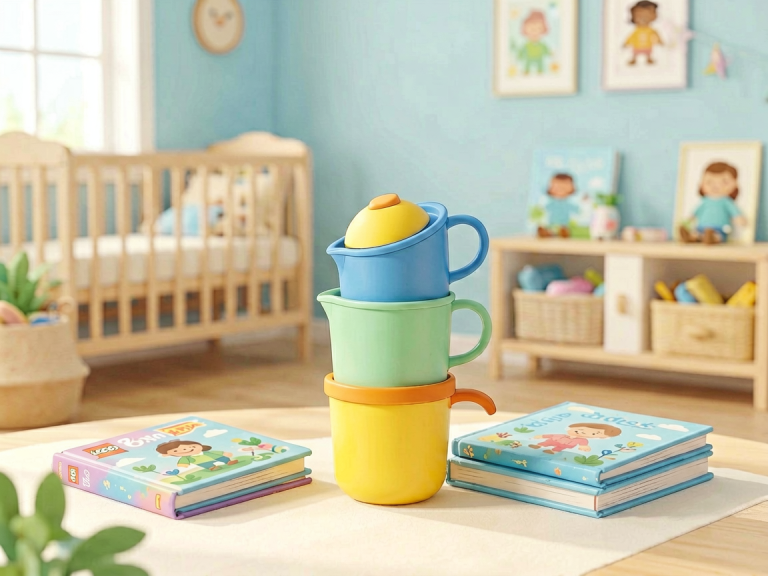
Silicone has become the gold standard for mold-free bath toys. It is naturally hydrophobic, meaning water beads off its surface rather than soaking in. High-quality, food-grade silicone is also non-toxic, BPA-free, and resistant to heat and disinfectants. Many silicone toys are solid (without holes) or have open designs that allow water to drain instantly. For example, a solid silicone fish or star can be rinsed and dried with a towel in seconds. Some companies even make silicone bath books and stacking cups—all without any internal cavities. Durability is another plus: silicone can be boiled, washed in a dishwasher, or sanitized with diluted bleach without degrading.
3.2 Natural Wood (with Proper Coating)
Untreated wood is porous and will absorb water, leading to warping and mold. However, wood that is sealed with a food-safe, waterproof finish (such as beeswax, linseed oil, or water-based polyurethane) can be a safe alternative. Look for toys made from hardwoods like beech or maple, with smooth surfaces and no hidden holes. The key is to avoid any gaps or crevices where water can collect. Wooden bath toys often have a beautiful, tactile quality that children love, and they are biodegradable. After use, they should be towel-dried and allowed to air out completely. Because wood does not support rapid microbial growth when properly sealed, it ranks high on the safety scale—provided the coating remains intact. Regularly inspect for cracks and reapply natural oil as needed.
3.3 Stainless Steel
Stainless steel is virtually indestructible, non-porous, and completely mold-resistant. Bath toys made from stainless steel, such as measuring spoons, stacking cups, or simple shapes, are easy to clean and sanitize. However, they can be cold to the touch and may not float, which might reduce appeal for very young children. They also pose a risk if dropped on hard surfaces—though they won't shatter. Stainless steel is best for older toddlers who are past the stage of mouthing everything.
3.4 Polypropylene or Other Solid Plastics
Not all plastics are equal. Hard, solid plastics made from polypropylene (PP) or high-density polyethylene (HDPE) are non-porous and do not have internal cavities. Many disposable cups, colanders, and bath toy sets made from these materials are safe as long as they are one-piece, seamless, and free of squeaker holes. The problem is that many plastic toys still incorporate sounding mechanisms. The solution is to choose toys that are explicitly designed as "solid" or "no-hole" from reputable brands that test for mold resistance. Always check the product description: if the toy has a single hole on the bottom, reject it. If it is solid, even if it is plastic, it is much safer.
3.5 Fabric Alternatives (with Caution)
Fabric toys, like washcloths shaped into animals or bath mitts, can be safe if they are made from quick-drying materials and are machine-washable. For example, a terry-cloth mitten that goes over the hand can be tossed into a laundry basket after bath time. However, many fabric toys contain stuffing or foam inside, which again traps moisture. The safest fabric options are those that are completely open-weave (like a fishnet) or that are deliberately designed to dry rapidly, such as those made from microfiber with anti-microbial treatment. Even then, they should be washed and dried thoroughly after each use.
4. Design Features to Look For
Beyond material, the design of the toy determines its mold resistance. When shopping for safe alternatives, prioritize the following characteristics:
4.1 No Internal Cavities
The single most important feature is that the toy should be solid or have a design that allows water to freely pass through without getting trapped. This means no squeakers, no hidden chambers, and no straw-like appendages. Look for toys that are described as "mold-free," "no-hole," or "easy-drain." Some manufacturers now produce bath toys with a completely open bottom (like a cup or a ladle) that lets water drain immediately.
4.2 Smooth, Seamless Surfaces
Any crevice, seam, or textured area can become a breeding ground if moisture remains. Choose toys with smooth surfaces, ideally one-piece molded designs. Avoid toys with glued-on parts or sharp edges where water can pool. For wooden toys, ensure that the finish is intact and there are no cracks.
4.3 Heat Resistance
Bath toys are often exposed to hot water and steam, which can degrade some materials over time. Silicone and stainless steel are naturally heat-resistant. Some plastics can warp or leach chemicals if exposed to high temperatures, so always check the temperature rating. A toy that degrades will eventually create micro-porous surfaces where mold can hide.
4.4 Dishwasher Safe or Boilable
Being able to sanitize a toy easily is a huge advantage. Silicone toys are often dishwasher safe (top rack) and can be boiled for five minutes. Stainless steel can be boiled or run through a sanitizing cycle. For wooden toys, boiling is not recommended, but a quick wipe with a 1:10 vinegar-water solution is safe. Always read manufacturer instructions.
4.5 Floatable and Fun
Children won't use a toy that isn't engaging. The good news is that many safe alternatives float or splash just as well as their moldy counterparts. Silicone fish, solid plastic boats, and even stainless steel measuring cups can be used for pouring, stacking, and floating. Parent creativity can turn a simple silicone cupcake liner into a pretend submarine. The key is to provide open-ended play opportunities without compromising safety.
5. DIY Safe Alternatives
Not all safe bath toys need to be purchased. With a little creativity, parents can create mold-free toys from common household items. Here are several proven ideas:
5.1 Kitchen Tools as Bath Toys
Silicone spatulas, basting brushes, whisks, and measuring cups are excellent bath toys. They are designed to be non-porous, easy to clean, and heat-resistant. A silicone muffin tin becomes a set of mini boats or sorting cups. A stainless steel mixing bowl can be a "pool" for smaller toys. These items are often more durable than dedicated bath toys and can be sterilized in the dishwasher.
5.2 Homemade Squeeze Toys (Without Holes)
You can create a safe, squishy toy by using a food-grade silicone bottle (like a reusable squeeze pouch) filled with water and sealed. Instead of a hollow rubber duck, fill a clean silicone baby food pouch with a bit of water, seal it, and let your child squeeze it during bath. There are no holes, so no mold. Alternatively, freeze a small amount of water in a silicone ice cube tray with animal shapes, and give your child a cold, floating "ice toy" that melts away without leaving any residue.
5.3 Natural Sponges and Loofahs
Instead of foam letters, use natural sea sponges or organic cotton towels cut into small shapes. They are absorbent but can be washed and dried after each use. Natural sponges are biodegradable and have inherent antimicrobial properties. Just remember to squeeze them out well and hang them to dry. Replace them every few weeks or when they start to smell.
5.4 Repurposed Plastic Containers
A clean, empty yogurt container, a plastic shampoo bottle (with the cap removed), or a food storage container without a lid can be great bath toys. The key is to ensure they have no small holes, no internal compartments, and are made of a non-porous plastic (check the recycling symbol—#2 HDPE or #5 PP are safest). Children love pouring water from one container to another, and these items are free and mold-resistant when thoroughly dried after each use.
6. Proper Care and Maintenance of Bath Toys
Even the safest alternative toys can develop mold if neglected. Hygiene practices are essential regardless of the material. Follow these steps to keep any bath toy mold-free:
- Rinse immediately after use: Drain all water from the toy. For cups and open containers, turn them upside down on a drying rack. For silicone solids, wipe them down.
- Dry thoroughly: Use a clean, dry towel to remove surface water. Then place toys on a well-ventilated rack away from the humid bathroom. Avoid storing them in a closed bin or bag immediately after use.
- Sanitize weekly: Boil silicone and stainless steel toys for 5 minutes. For plastic toys, soak in a solution of 1 tablespoon of unscented bleach per gallon of water for 10 minutes, then rinse thoroughly. For wooden toys, use a 1:1 white vinegar and water spray, wipe, and let air dry. Never submerge wood.
- Inspect regularly: Check for any discoloration, slime, or musty smell. If you see any sign of mold, discard the toy immediately—do not attempt to salvage it, as the mold may have penetrated microscopic cracks.
- Rotate toys: Keep only a few toys in the bath at a time and rotate them, so each gets a chance to dry fully between uses. Overcrowding prevents air circulation.
- Use a drying rack: Invest in a mesh bag or a rack that allows toys to dry hanging or upside down. Avoid sealed plastic bins that trap moisture.
7. Conclusion: Choosing Joy Without Compromise
Bath time should be a safe, happy experience—not a source of hidden germs. The traditional plastic duck with a squeaker may be iconic, but it is also a proven mold reservoir. Fortunately, the market now offers a wide array of safe alternatives: solid silicone shapes, sealed wooden animals, stainless steel stacking cups, and even DIY options from your kitchen. By prioritizing materials like food-grade silicone and stainless steel, and by selecting designs that are solid or fully open, parents can eliminate the mold problem without sacrificing fun.
Moreover, conscious purchasing supports manufacturers who are innovating for health. As awareness grows, more companies are creating bath toys that are dishwasher safe, heat resistant, and free of internal cavities—proof that safety and playfulness can coexist. Meanwhile, simple habits like rinsing, drying, and weekly sanitizing extend the life of any toy and protect children from unnecessary exposure.
In the end, the best safe alternative is one that brings joy to your child and peace of mind to you. Whether it’s a set of rainbow silicone stacking cups or a simple stainless steel measuring cup, the bathtub can remain a kingdom of imagination, not a breeding ground for mold. So next time you reach for a bath toy, think solid, think silicone, and think dry. Your child’s health—and their splashy laughter—will thank you.