Why Remote Control Cars and Robot Toys Are Not for 6-Month-Olds (And What to Give Them Instead)
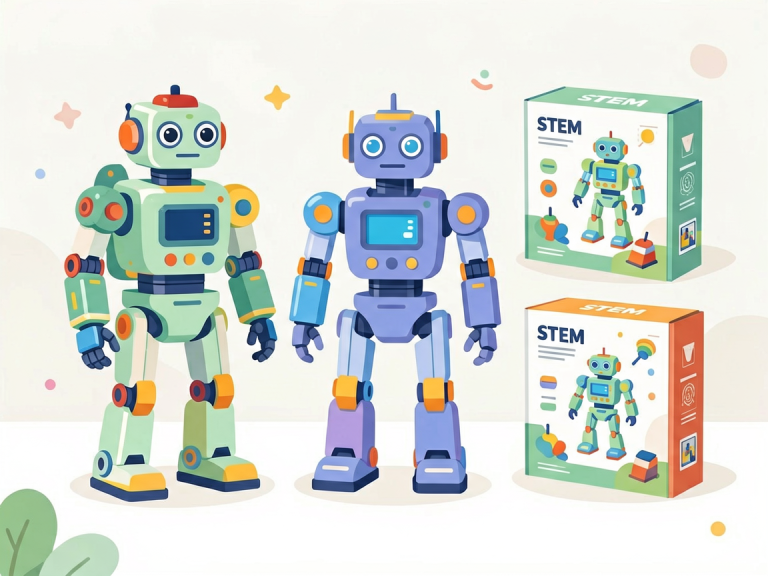
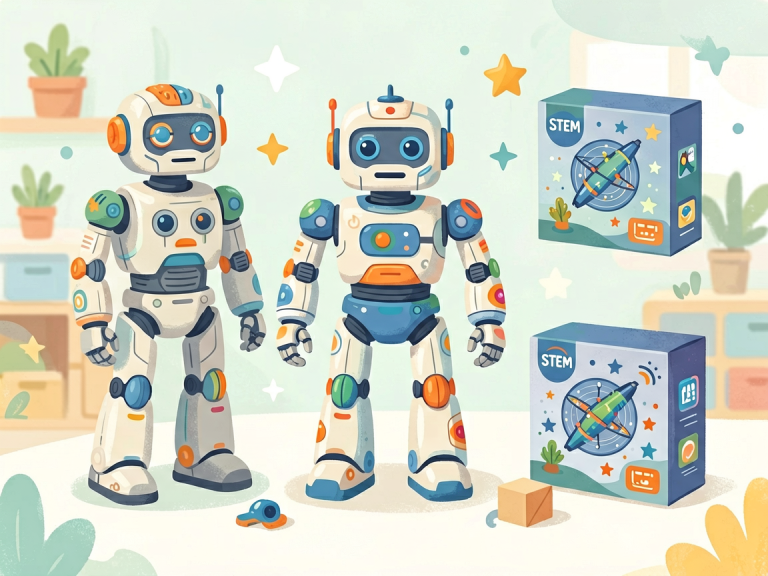
When a baby reaches the six-month milestone, parents and relatives often feel an overwhelming urge to shower them with toys. The toy aisles are full of bright colors, flashing lights, and whirring gadgets. Among the most tempting items are remote control cars and robot toys—those miniature vehicles that zoom across the floor and robotic companions that sing, dance, and blink. They look fun, cutting-edge, and seemingly harmless. But are they actually suitable for a six-month-old? The short answer is no, and the longer answer involves a careful look at infant development, safety, and the true meaning of “playing” at this age. This article explores why remote control cars and robot toys miss the mark for six-month-olds, what risks they pose, and how parents can choose age-appropriate alternatives that genuinely support their baby’s growth.
The Developmental Reality of a Six-Month-Old
At six months, a baby is at a remarkable turning point. Most infants this age can roll over in both directions, sit with support (and sometimes independently), reach for and grasp objects, and bring everything to their mouths. They are beginning to understand cause and effect—if I shake this rattle, it makes noise. They are also developing depth perception and hand-eye coordination, but their vision is still not fully mature, and their ability to track fast-moving objects is limited. Their attention spans are measured in seconds or minutes, not hours. Crucially, they learn about the world through their senses: touching, tasting, hearing, seeing, and feeling. They do not yet understand symbolic play, pretend play, or the concept of operating something with a remote control. A six-month-old does not see a remote control car as a “car” that someone drives; they see a blur of motion and hear a buzzing sound, which may startle or confuse them.
This stage is also one of intense social and emotional bonding. Babies learn most effectively through face-to-face interaction with caregivers—smiling, cooing, and responding to human voices. Toys are important, but they are simply tools for exploration, not entertainment devices. The most valuable toys at this age are ones that respond to the baby’s own actions: a soft ball that rolls when pushed, a textured teether that feels good on sore gums, or a simple wooden rattle. These toys allow the baby to be the active agent. The problem with remote control cars and robot toys is that they put all the agency in the hands of an adult (or an older sibling). The baby is reduced to a spectator, watching something move without being able to initiate or control that movement. That might be fun for a toddler or a preschooler, but for a six-month-old, it is passive and potentially confusing.
The Attraction and the Hidden Risks
Why do parents consider buying remote control cars or robot toys for a six-month-old? Often, the attraction is multi-generational. A parent may remember the joy of controlling a car as a child and wants to share that early. Or a well-meaning relative sees a robot toy with flashing lights and assumes it will stimulate the baby’s senses. Marketers also play a role, labeling products as “for ages 6 months+” even when the play value is clearly misaligned. Some robot toys are designed to look cute—like a puppy that wags its tail or a humanoid that waves its arms—and parents might believe these gadgets will teach the baby something about technology or companionship.
But the risks are real and often overlooked. First, safety hazards: remote control cars have small parts—antennas, wheels, batteries, and removable pieces. A six-month-old who grabs the car will immediately put it in their mouth. Choking hazards are a major concern. Many robot toys also have small eyes, buttons, or limbs that can detach under vigorous pulling (and six-month-olds are extremely vigorous pullers). Batteries are another issue. Compartments can pop open, exposing lithium cells that are dangerous if swallowed. Even if the toy is large enough to avoid choking, the speed and unpredictability of a remote control car can be alarming. Imagine a car suddenly reversing or spinning toward the baby’s face—this can cause fear, crying, and even minor injuries if it bumps into the baby. Also, the high-pitched motor sounds and loud electronic music can be too intense for an infant’s sensitive hearing. A sudden beep or song may be more disturbing than delightful.
Furthermore, there is a developmental mismatch. At six months, a baby is not ready to understand that the movement of the car is caused by a person pressing a button. Instead, they experience a random, uncontrollable event. This can undermine their budding sense of predictability and safety. Babies thrive on routine, repetition, and familiar patterns. A robot that suddenly moves and talks might produce a startle reflex that stresses the baby rather than engages them. While some babies may seem fascinated by fast-moving objects, that fascination is often a temporary reflex—like tracking a flying insect—not a meaningful play experience. And when the novelty fades, the baby loses interest quickly, leaving an expensive toy that takes up space and teaches nothing.
What to Look for Instead: Toys That Grow with the Baby
Instead of remote control cars or robot toys, six-month-olds need toys that match their physical, cognitive, and emotional abilities. The ideal toy at this age is safe, simple, and interactive in a way that the baby can control. Here are several categories that deliver real developmental benefits:
- Sensory toys: Soft fabric books with crinkle pages, teething rings made of food-grade silicone, rattles with different sounds, and balls with varied textures. These toys stimulate touch, taste, hearing, and vision without overwhelming the infant.
- Cause-and-effect toys: A simple pop-up toy where the baby presses a large button and a figure pops up—but only with adult help at first. Or a stacking cup that the baby can knock over and watch fall. These activities teach that actions have results, which is the foundation of problem-solving.
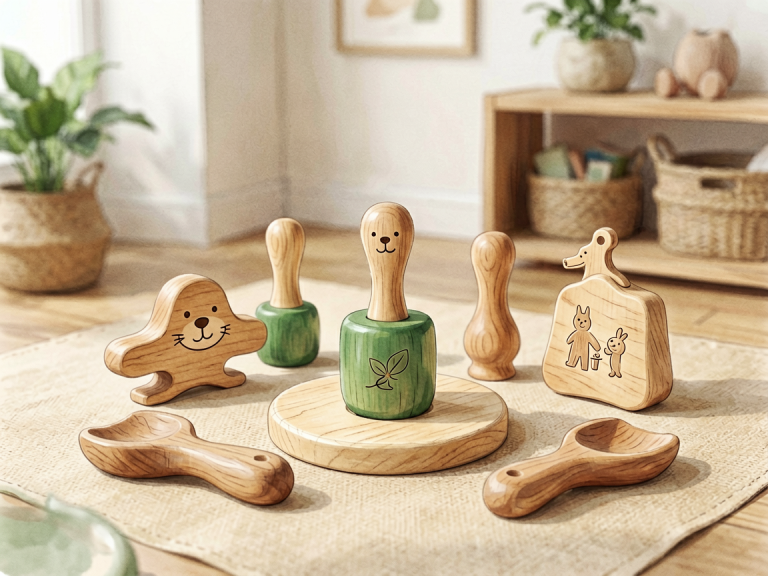
- Grasping and shaking toys: Lightweight rings, wooden spoons (yes, a clean wooden spoon is a classic favorite), and cloth toys with handles help strengthen the pincer grasp and hand muscles. Babies at six months love to shake, bang, and drop things to see what happens.
- Mirrors: An unbreakable baby mirror placed on the floor or crib encourages self-recognition and social smiling. While not a remote control toy, a mirror provides endless fascination because the baby can make it move by moving their own body.
- Soft dolls or animal figures: A simple plush rabbit or bear with a friendly face gives the baby something to hug and talk to. At this age, babies respond to faces, so a soft toy with embroidered (not button) eyes is perfect.
These alternatives are not flashy, but they respect the baby’s developmental stage. They also allow the caregiver to participate actively. For example, you can lie on the floor, roll a soft ball toward the baby, and encourage them to push it back. That back-and-forth interaction is the real “remote control” a six-month-old needs—not a plastic car, but a loving human being who responds to their coos and gestures.
Can a Remote Control Car or Robot Ever Be Used with a Six-Month-Old?
This is not to say that remote control cars and robot toys are absolutely forbidden in every household. There are a few limited, supervised scenarios where they might be okay. For instance, a parent could use a remote control car as a tool for tummy time motivation. If the baby is reluctant to lift their head during tummy time, placing the car far away and slowly moving it might encourage the baby to visually track it and lift their head slightly. However, this should be done with the baby lying safely on a mat, the car moving slowly and steadily, and no small parts accessible. Similarly, a robot toy that plays gentle music and sways slowly could be placed out of the baby’s reach to provide a visual and auditory experience for a minute or two, as long as the volume is low and the movement is non-threatening. But these should be exceptions, not the norm. They are not the primary play materials. They are occasional novelties that require constant adult supervision and should be removed before the baby reaches for them.
More importantly, parents should always read the manufacturer’s age recommendations. A toy labeled “for ages 3+” is not just a suggestion—it is a safety standard based on the size of parts and the capabilities of the child. If the box says “for ages 3 and up,” then a six-month-old should not be allowed to handle it. Even if a robot toy says “for 6+ months,” the real question is not whether the baby can physically touch it, but whether it provides meaningful stimulation. In most cases, it does not.
The Bottom Line: Play Is About Connection, Not Gadgets
In a world obsessed with technological gadgets, it is easy to fall into the trap of thinking that the more advanced a toy is, the better it is for a baby. But infant development does not work that way. A six-month-old’s brain is rapidly forming neural connections, but those connections are built through simple, repetitive, physical interactions with the world—not through watching a remote control car zoom around. The best “toy” for a six-month-old is a caregiver who talks, sings, plays peek-a-boo, and responds to the baby’s cues. A remote control car cannot hug back, cannot mimic a baby’s coo, and cannot provide the emotional resonance that a human face does. Robot toys, no matter how sophisticated, cannot replace the warmth of a parent’s voice or the comfort of a familiar embrace.
So before you rush to buy the latest remote control car or robot toy for a six-month-old, pause and think about what the baby will actually experience. They will see a fast-moving object that they cannot control and may not understand. They will hear sounds that are perhaps too loud and sudden. They will reach out and grab a piece that could be a choking hazard. None of that is developmentally appropriate. Instead, choose simple, safe, and responsive toys—soft blocks, textured balls, rattles, and mirrors. And more than any toy, give your baby your time, your attention, and your face. Because at six months old, the most powerful remote control is the gentle hand of a parent guiding them through the world, one curious touch at a time.