Remote Control Cars and Robot Toys for 9-Month-Olds: A Developmental Mismatch or Hidden Potential?
When a child approaches their first birthday, gift lists often overflow with shiny, high-tech gadgets. Among the most tempting purchases are miniature remote control cars, which zoom across the living room floor, and interactive robot toys that blink, sing, and dance. For parents of a 9-month-old, however, a crucial question arises: are these toys truly beneficial, or are they simply impressive dust collectors? While the marketing suggests endless fun, the reality is more nuanced. At nine months, an infant’s cognitive, motor, and sensory development is in a rapid but specific stage of transformation. This article explores whether remote control cars and robot toys genuinely serve a 9-month-old’s developmental needs, why they often fall short of expectations, and how parents can select better alternatives that stimulate growth without overwhelming a young brain.
Understanding a 9-Month-Old’s Abilities
At nine months, infants are typically sitting independently, beginning to crawl, pulling to stand, and using a pincer grasp to pick up small objects. Their vision has sharpened to near-adult levels, but they still struggle with tracking fast-moving objects. Crucially, their understanding of cause and effect is emerging. They love dropping toys, banging them together, and watching adults react. Their attention span is short, often measured in minutes, and they learn primarily through sensory exploration—touching, mouthing, shaking, and manipulating objects. They do not yet comprehend symbolic play or the concept of operating a device with a remote control. Their fine motor skills are not refined enough to press small buttons or hold a steering wheel. Moreover, their brain is wired for social interaction with caregivers, not for passive observation of a machine moving by itself. This developmental stage demands toys that respond to the infant’s own actions—for example, a ball that rattles when shaken—rather than toys that act independently of the child’s input.
Why Traditional RC Cars and Robot Toys Fall Short
Remote control cars are designed for children aged three and up, and for good reason. A 9-month-old lacks the hand-eye coordination to manipulate a joystick or a directional pad. Even if they accidentally press a button, the car’s sudden movement may startle them rather than delight them. The car’s speed, even at its lowest setting, exceeds an infant’s visual tracking ability. A baby who is just learning that their hand can cause a rattle to sound will not understand why the car moved across the room. The same applies to sophisticated robot toys that perform pre-programmed actions like singing, spinning, or flashing lights. While a 9-month-old may smile at a robot’s cheerful face, the novelty fades quickly because the robot’s behavior is not contingent on the baby’s actions. In developmental psychology, this is called "contingency learning"—infants thrive when their actions produce predictable outcomes. A robot that dances on its own schedule confuses rather than educates. Furthermore, many robot toys emit loud, high-pitched sounds and strobe-like lights, which can overstimulate a young nervous system, leading to crying or avoidance. In short, these devices are not merely useless; they can be developmentally inappropriate.
What to Look For Instead: Sensory and Cause-Effect Toys
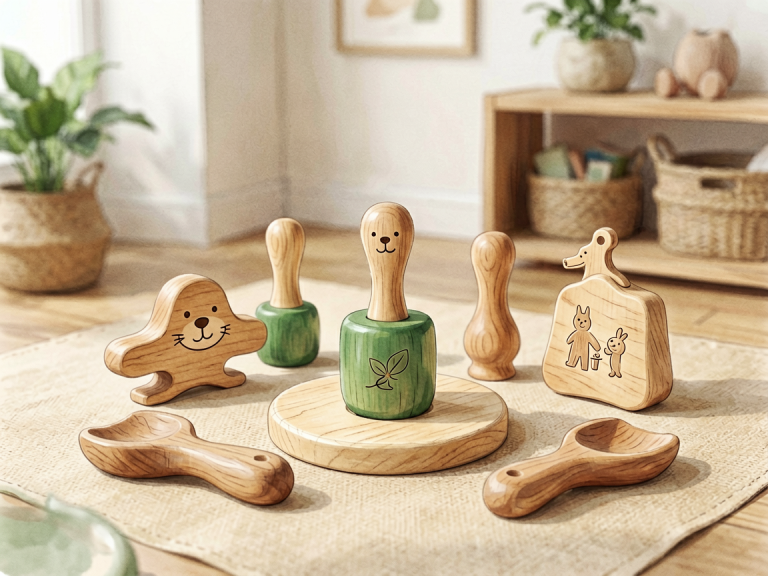
Instead of a remote control car, a 9-month-old will gain far more from a push-and-go vehicle that the baby can grasp and shove. These simple cars require the infant to exert effort, and they respond instantly with rolling—a perfect lesson in cause and effect. Similarly, a pop-up toy where the baby presses a large button and an animal springs out is ideal. The key is that the action must originate from the child. For movement, consider a rolling ball with internal chimes or a stacking ring tower. For touch and mouthing, wooden blocks, textured teethers, and fabric crinkle books are excellent. These toys support the development of hand strength, depth perception, and object permanence. A 9-month-old also loves playing peek-a-boo with an adult, which teaches social reciprocity. Even household items like plastic bowls, wooden spoons, and cardboard boxes can serve as superior "toys" because they invite open-ended exploration. The rule of thumb is to choose toys that are safe, single-purpose, and directly responsive to the baby’s own hands and mouth.
The Emerging World of Baby-Friendly Robots
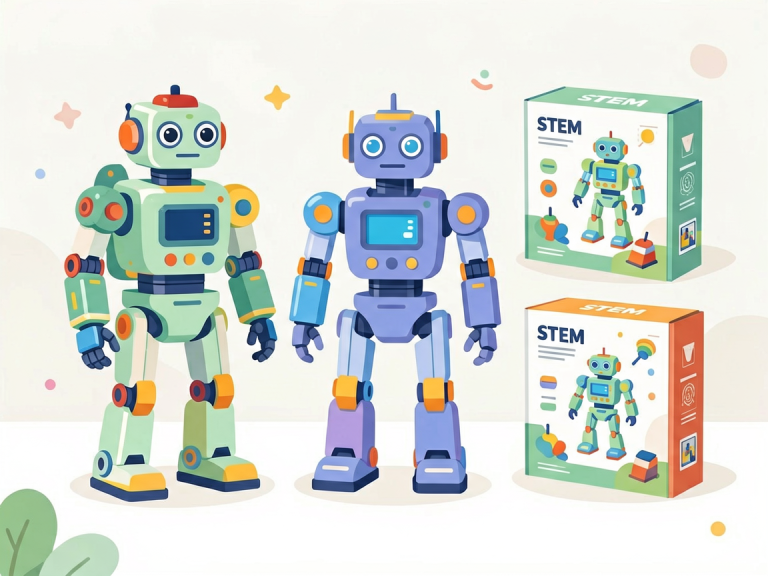
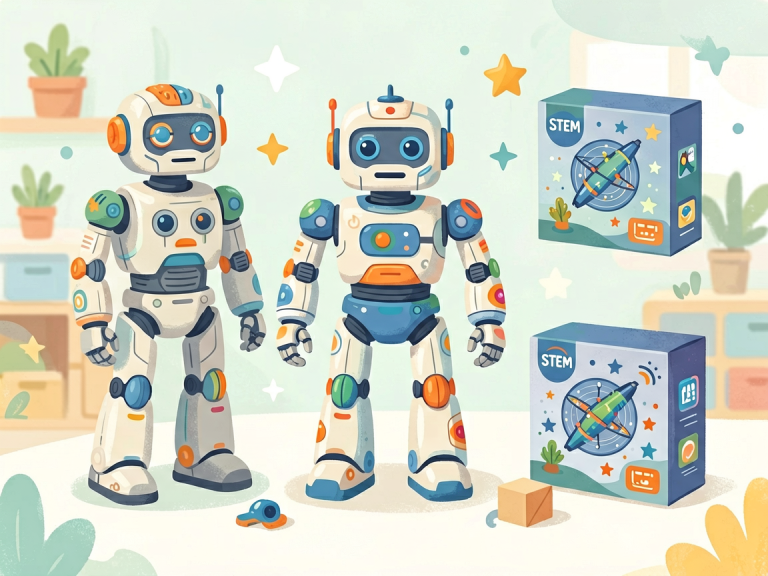
This is not to say that all technology is forbidden. There is a small but growing niche of "baby-friendly" interactive robots designed specifically for infants under one year. These robots do not have remote controls; instead, they respond to touch, motion, and voice. For example, a plush robot that wiggles and plays gentle lullabies when the baby pats its belly can be a wonderful early STEM toy. Another example is a crawling robot caterpillar that follows a light or emits soft, non-startling sounds. These toys mirror the contingency principle: the baby’s action triggers the response. They also encourage motor development, because a baby might crawl after a slowly moving robot, thus strengthening gross motor skills. However, parents must scrutinize volume controls and light intensity. The American Academy of Pediatrics recommends avoiding toys with loud sounds that can damage hearing. Always test the toy at home, ensuring the sound is not sharp, and that the movement is slow and predictable. A well-designed baby robot can introduce foundational concepts of cause and effect while remaining gentle enough for an immature sensory system.
Safety Considerations for Toy Selection
Regardless of whether a parent chooses a robot or a traditional toy, safety is paramount for a 9-month-old. At this age, everything goes into the mouth, so toys must have no small parts that could break off and become choking hazards. Remote control cars often have small antennas, wheels that can detach, and tiny buttons—all dangerous. The batteries in these devices are also a serious concern; a broken compartment can expose button batteries, which are lethal if swallowed. Robot toys with plastic eyes or limbs should be checked for secure attachment. Look for toys that are labeled as meeting ASTM F963 safety standards (in the US) or equivalent international standards. Avoid toys with long strings or cords that pose a strangulation risk. Washable materials are essential, as are non-toxic paints and plastics. Also consider the environment: a remote control car driven on a hard floor could easily tip over and pinch little fingers. The best approach is to place the toy on a soft carpet and supervise closely. Finally, respect the baby’s reaction. If the child seems frightened by a moving or noisy toy, remove it and try again in a few months. Forced exposure to a scary robot can create an aversion that persists.
Conclusion
In the debate over remote control cars and robot toys for 9-month-olds, the verdict is clear: traditional remote control cars are a poor fit, while most high-tech robots are unnecessary and potentially overstimulating. The developmental needs of a 9-month-old center on sensory exploration, motor practice, and social interaction—all of which are best served by simple, responsive, and manual toys. However, modern parents need not completely shun technology. A carefully chosen baby-friendly robotic toy that reacts to the infant’s touch, with soft sounds and slow, gentle movements, can be a delightful addition to the playroom. The key is to shift the focus from entertainment to interaction. Instead of asking "Will my baby be amused by this toy?" the better question is "Will my baby learn that their own actions can influence the world?" A simple wooden rattle answers yes. A blinking, zooming robot car often answers no. As with all aspects of early childhood, the most valuable inputs are loving human faces, warm voices, and open-ended objects that invite exploration. So, before hitting "add to cart" on that flashy remote control suv, remember: your 9-month-old’s greatest joy might simply be the cardboard box it arrived in—and that is perfectly okay.