The Play That Lasts: A Parent’s Guide to Avoiding Toys Kids Outgrow Fast
Every parent knows the scene: a child’s birthday passes, the wrapping paper is cleared away, and within a week or two, the shiny new toy sits forgotten in a corner. It is a familiar frustration, one that drains both wallets and patience. The problem is not that children are fickle, but that many toys are designed for a fleeting moment of engagement rather than long-term value. As a parent, you want to invest in playthings that grow with your child, sparking creativity and development over months or even years. Fortunately, by understanding a few key principles, you can sidestep the trap of toys that are outgrown almost as soon as they are opened. This guide will walk you through practical strategies to choose toys that endure, both in durability and developmental relevance.
Understand the Stages of Childhood Development
The first and most critical step is recognizing that a toy’s lifespan is directly tied to your child’s current developmental stage. Toys that target a narrow skill set—like a simple shape-sorter for a one-year-old—will inevitably be outgrown once the child masters that skill. Instead, look for toys that align with broader periods of development and offer room for progression. For example, infant toys that focus on sensory exploration (textures, sounds, colors) can be revisited later as the child begins to use them in symbolic play. By studying the typical cognitive, motor, and social milestones for your child’s age group, you can predict which features of a toy will remain relevant. A toy that challenges fine motor skills at age two may later serve as a prop for storytelling at age four. When you understand that a child’s interests are not linear but layered, you begin to see the potential for longevity in seemingly simple objects.
Prioritize Open-Ended Toys Over Single-Use Gadgets
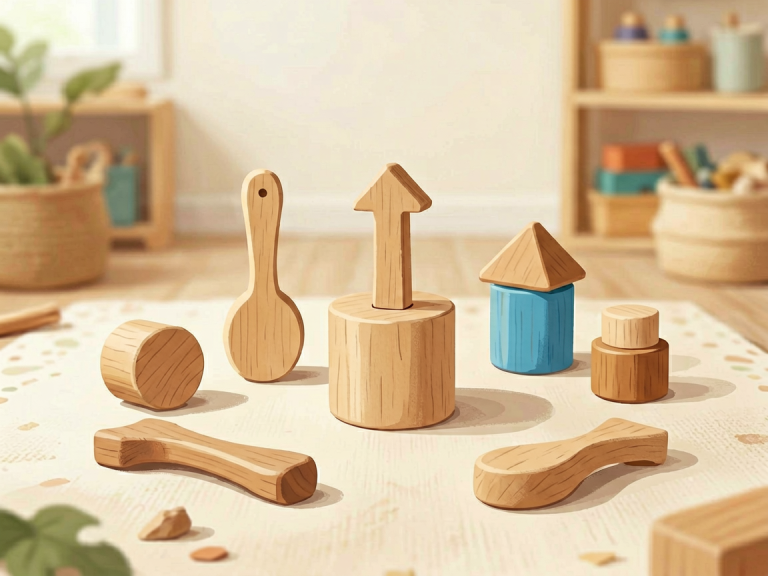
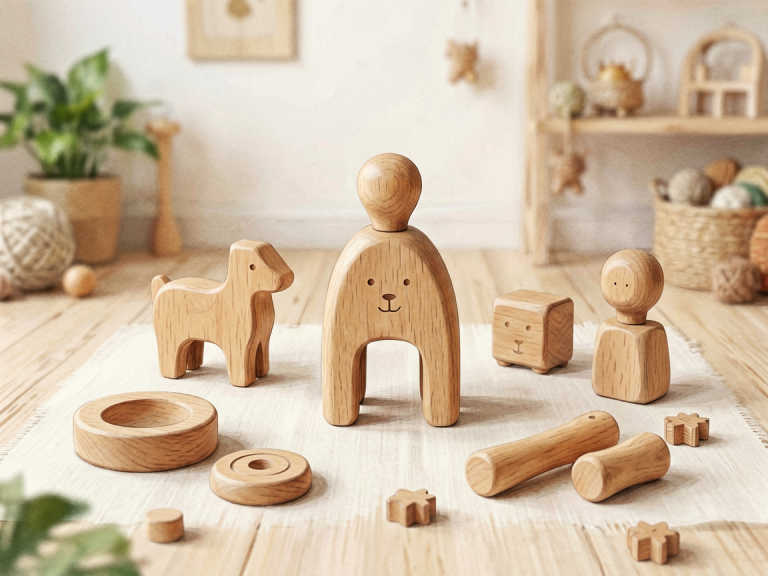
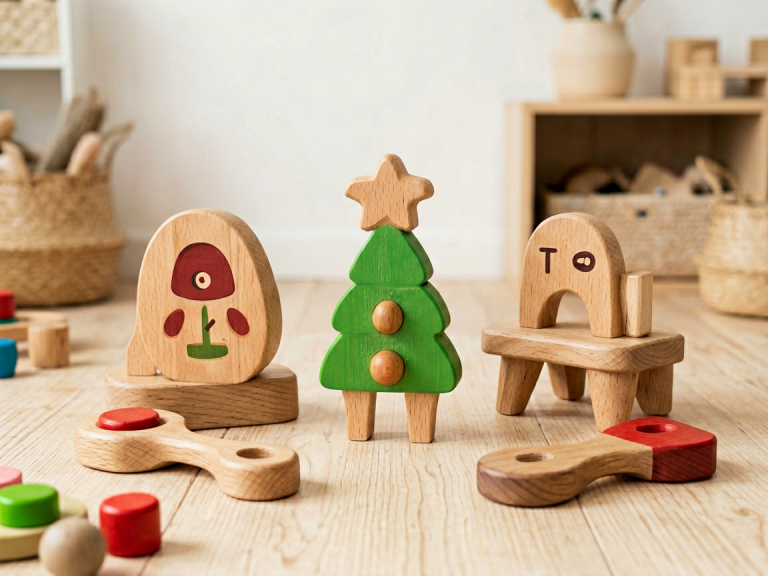
The most notorious culprits of rapid outgrowth are single-purpose toys—electronic gadgets that perform only one trick, plastic figures that cannot be combined with other sets, or playsets that rely on battery-operated sounds and lights. These toys often have a high initial appeal but shallow replay value. In contrast, open-ended toys are the gold standard for longevity. Blocks, magnetic tiles, wooden train tracks, dollhouses, art supplies, and loose parts like fabric scraps or cardboard boxes can be used in countless ways. A set of building blocks can become a tower, a castle, a spaceship, or a simple mathematical tool for counting and sorting. As the child grows, the complexity of their play evolves: a toddler stacks blocks, a preschooler builds a city, and an older child designs intricate architectural structures. The same principle applies to dolls, action figures, and vehicles—when they are not tied to a specific story or franchise, they become canvases for endless imagination. By choosing toys that encourage the child to create rather than consume, you ensure that the toy remains engaging as their cognitive abilities expand.
Resist the Urge to Follow Every Trend
Marketing and peer pressure are powerful forces. Every holiday season brings a fresh wave of must-have toys linked to movies, TV shows, or viral internet trends. These toy lines are designed to exploit a child’s fleeting fascination, often built around a single character or a limited-time hype. By the time the next movie sequel arrives or the trend fades—sometimes in just a few months—the toy loses its appeal. While it is unrealistic to eliminate all franchise-based toys (after all, children deserve some joy from their favorite characters), you can minimize their presence. Reserve them for special occasions or as small rewards, and make sure they do not dominate the toy collection. Instead, invest the bulk of your budget in classic, non-licensed toys that have stood the test of time. A simple set of LEGO bricks, for instance, offers decades of play potential, while a themed LEGO set based on a current movie may feel stale once the child has built it once. The key is to ask yourself: “Will this toy still be exciting a year from now, even if the child has no memory of the associated franchise?”
Embrace Quality Over Quantity
In the race to provide children with variety, many parents fall into the trap of buying numerous cheap toys. These items often break quickly, lose parts, or are so simplistic that they fail to hold a child’s attention. More importantly, a cluttered toy environment can actually hinder deep, sustained play. Research suggests that fewer, higher-quality toys lead to longer engagement and more creative use. When you choose a well-made wooden train set or a sturdy dollhouse, you are not only buying durability but also investing in a toy that can be passed down or resold. High-quality materials like solid wood, thick fabrics, and non-toxic paints feel better in a child’s hands and withstand rough treatment. Additionally, premium toys often have more thoughtful design—magnetic parts that stay connected, hinges that don’t pinch, and surfaces that are easy to clean. The upfront cost may be higher, but the cost per hour of play quickly becomes lower than that of a cheap plastic toy that is discarded after a week. Always check reviews and look for brands that prioritize craftsmanship and safety.
Choose Toys That Encourage Skill Layering
A toy that teaches only one skill—say, pressing a button to hear a sound—will be outgrown the moment the child masters that action. But toys that allow for multiple levels of mastery are far more valuable. Consider a simple puzzle: a toddler may start with a large knob puzzle, then progress to a jigsaw of 12 pieces, then to 100 pieces, and eventually to complex 3D puzzles. The same mechanism applies to construction sets, board games, and creative kits. Look for toys that come with adjustable difficulty levels, expansion packs, or built-in challenges that grow with the child. For example, a marble run can be assembled in simple tracks for a preschooler and later configured with loops, jumps, and timed mechanisms for an older child. Science kits, craft sets, and even musical instruments (like a xylophone that can later be used in a band) offer similar stair-step progression. When you see a toy that offers a ladder of complexity, you know it will not be outgrown quickly.
Foster Imaginative and Social Play
Toys that facilitate group play or independent storytelling have a much longer shelf life than solitary, scripted toys. A child who enjoys playing “house” with a play kitchen can continue that game for years, adding new scenarios as they mature. A set of fabric dress-up clothes can transform a toddler into a superhero, a school-aged child into a historical figure, and a preteen into a costume designer for a homemade movie. Social toys like board games also evolve: simple matching games for ages three to four give way to strategy games for ages eight and up. The key is that the toy does not dictate the story; the child does. When a toy is a prop rather than a script, it remains relevant because the child’s imagination constantly refreshes the possibilities. Avoid toys that come with pre-recorded narratives, fixed play patterns, or limited dialogue options. Instead, seek out those that are silent, adaptable, and collaborative.
Observe Your Child’s Play Style and Interests
No amount of generic advice can replace the insight you gain by watching your own child at play. Some children are builders, some are artists, some are storytellers, and some are movers. A toy that seems perfect for one child may bore another. Pay attention to how your child naturally spends their time. Do they prefer constructing towers or tearing them down? Do they love pretending to cook, or are they more drawn to vehicles? Once you identify their dominant play patterns, you can select toys that align with those interests but also offer room for expansion. For example, a child who loves sorting and organizing might enjoy a collection of natural objects (shells, rocks, pinecones) that can be later used for science projects or art. A child who loves music might appreciate a simple drum that later becomes part of a full percussion set. By building on your child’s intrinsic motivations, you increase the likelihood that the toy will be revisited again and again.
Research Before You Buy
In the age of online shopping and influencer recommendations, it is easy to make impulsive purchases. But a little research goes a long way. Read reviews from parents with children of similar ages, paying attention to comments about how long the toy held attention. Look for toys that are recommended by occupational therapists, early childhood educators, or Montessori-inspired resources. These experts often highlight toys that promote sustained engagement and multiple uses. Also consider the toy’s “open-ended” quotient: Does it come with a fixed set of instructions, or does it encourage free play? Finally, check for modularity—can you add more pieces, combine it with other toys, or reconfigure it? A toy that can grow with your child is always a better investment than one that is complete from the start.
Conclusion: Invest in Play, Not Possessions
Avoiding toys that kids outgrow fast is not about depriving your child of fun; it is about choosing wisely so that each toy becomes a lasting companion in their journey of discovery. The most enduring toys are those that adapt to a child’s changing mind, that invite creativity rather than dictate it, and that are built to last both physically and intellectually. By focusing on developmental stages, open-ended designs, quality materials, and your child’s unique play style, you can build a toy box that remains exciting for years. In the end, the goal is not to accumulate more stuff, but to nurture deeper, more meaningful play. When you succeed, the toy that once entertained a toddler will still captivate a school-aged child, and you will have saved money, space, and countless moments of regret. Choose toys that grow—and watch your child grow along with them.