A Parent’s Guide: How to Choose LEGO Style Bricks for 8-Year-Olds
—
1. Understanding the Age-Appropriate Complexity
When selecting LEGO style bricks for an 8-year-old, the most critical factor is matching the set’s complexity with the child’s developmental stage. At age eight, most children have moved beyond the simple, large-piece sets designed for toddlers. They possess fine motor skills sufficient for handling small bricks (e.g., 1×1 or 2×2 pieces) and can follow multi-step instructions. However, they still benefit from clear visual guidance and a manageable number of pieces.
A good rule of thumb is to look for sets containing between 300 and 600 pieces. Kits with 1,000 or more pieces may overwhelm an average 8-year-old, leading to frustration. Conversely, sets with fewer than 200 pieces might bore a child who has already mastered basic assembly. The recommended age range printed on the box—usually “8–12” or “7–10”—provides a reliable starting point, but you should also consider the individual child’s patience and experience. If your child has built several complex sets before, you can safely move toward the upper end of the piece count.
—
2. Safety First: Material and Size Considerations
While most commercial LEGO style bricks are made from ABS plastic and meet international safety standards, not all generic or “compatible” bricks are created equal. For an 8-year-old, the primary safety concern is chemical composition and durability. Cheap, unbranded bricks may contain phthalates or lead, especially if manufactured in unregulated facilities. Always look for products that carry certification marks such as CE (Europe), ASTM (USA), or equivalent local standards.
Another safety aspect is choking hazard. By age eight, children rarely put small objects in their mouths, but younger siblings may be present. If you have a toddler in the house, opt for sets that do not include tiny, swallowable parts—or keep the building area strictly supervised. Additionally, check that the bricks have no sharp edges or burrs. Reputable brands like LEGO, Mega Construx, or Cobi test their molds rigorously, while cheaper knock-offs often leave rough surfaces that can cause minor cuts.
—
3. Matching Interests with Themes
An 8-year-old’s engagement with a building set skyrockets when the theme aligns with their personal passions. At this age, children often develop strong interests in specific movies, games, animals, vehicles, or fantasy worlds. By choosing a theme they love, you transform the building process from a chore into an adventure.
Popular themes for this age group include:
- Space and Science: NASA-inspired sets, rocket ships, or robotic kits that introduce basic engineering.
- Adventure and Fantasy: Castle, pirate, or dragon-themed sets that allow imaginative role-play.
- Vehicles: Cars, aircraft, construction machinery, or even motorized sets with simple gears.
- Characters and Storylines: Sets based on popular franchises like Star Wars, Harry Potter, Marvel, or Minecraft.
- Animals and Nature: Zoo, dinosaur, or farm sets that combine building with biological curiosity.
Ask your child directly what they are currently fascinated by, or observe the toys and media they gravitate toward. If they love a particular YouTube channel or video game, there is likely a LEGO style brick set that corresponds.
—
4. Educational Benefits and Skill Development
Beyond pure entertainment, LEGO style bricks are powerful tools for cognitive and physical development. For an 8-year-old, the ideal set offers a balance between following instructions and encouraging free creativity.
Fine motor skills improve as children manipulate tiny bricks, press them together securely, and disassemble them without breaking the plastic. Spatial reasoning is honed when they visualize how a 3D structure emerges from a flat diagram. Persistence and problem-solving are tested when a piece doesn’t fit or a step is missed—teaching them to troubleshoot calmly.
Look for sets that include a few moving parts, such as wheels, hinges, or simple pulleys. These introduce basic mechanical concepts. Some kits even come with a small booklet explaining real-world science principles behind the model. For example, a crane set can teach lever mechanics, while a bridge set demonstrates arch support.
Also consider sets that offer alternative builds—models that can be reconstructed into a different design using the same pieces. This multiplies the educational value and extends playtime.
—
5. Compatibility and Brand Options
The phrase “LEGO style bricks” explicitly refers to bricks that are compatible with the original LEGO system—same stud size, same clutch power, same interlocking dimensions. When choosing for an 8-year-old, you need to decide whether to go with official LEGO bricks or third-party alternatives.
Official LEGO guarantees perfect clutch power (the tightness of the connection), color consistency, and the availability of replacement parts. The instructions are meticulously designed, and the theme licenses (Disney, Warner Bros., etc.) are official. However, official sets are expensive.
Third-party brands such as Cobi, Mega Construx, Lepin (now banned in many countries), Sluban, or Xingbao offer significant cost savings—often 30–60% cheaper. Many of them produce high-quality bricks that fit seamlessly with LEGO. However, quality varies wildly. Read customer reviews, especially regarding clutch power. Too tight and the bricks are hard to separate; too loose and the structure collapses.
For an 8-year-old who is still learning patience, a too-loose set can cause extreme frustration. I recommend starting with official LEGO for the first few sets until the child has mastered the feel of proper connections. Then you can mix in trusted third-party brands for lesser-known themes.
—
6. Budget and Quantity Considerations
Budget is a practical reality for most families. LEGO style brick prices range from $10 for small polybags to $200+ for large flagship sets. For an 8-year-old, you do not need to break the bank. A sweet spot is spending $20–$40 per set, which typically yields 200–500 pieces.
However, consider that children often lose or break pieces. Buying a large “bulk bucket” of generic bricks (500–1000 pieces, no instructions) can be a smart investment. These buckets allow unlimited free building and are excellent for supplementing themed sets. The child can use them to fill gaps, create custom vehicles, or expand their existing collections.
Avoid the temptation to buy the cheapest possible bricks in bulk. Extremely low-cost sets often have poor color matching, weird odors, or bricks that crack under normal pressure. It is better to buy a medium-quality bucket from a reputable store than 20 bags of junk from a dollar store.
—
7. Storage and Organization Tips
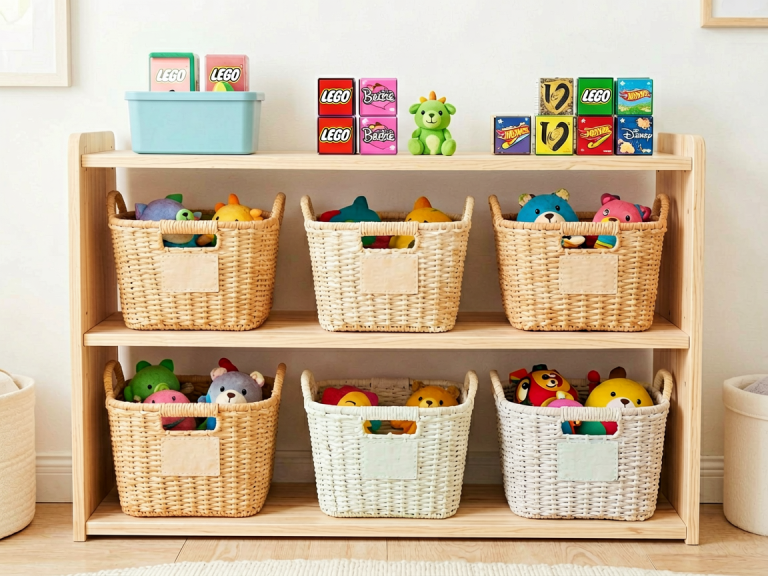
An 8-year-old’s building experience can be ruined by a messy pile of bricks. Good organization keeps the creative process smooth. Invest in a storage system with compartments—tackle boxes, drawer units, or stackable clear bins. Sort bricks by color, by type (plates, bricks, slopes, wheels), or by size depending on the child’s preference.
Teach your child to sort after each building session. This instills responsibility and makes future building faster. For sets with many small pieces, consider using a large tray or a felt mat to prevent pieces from rolling off the table.
Also, keep the instruction booklets in a dedicated folder. Many children enjoy rebuilding old sets months later, and lost instructions can be a deal-breaker. Fortunately, official LEGO provides free PDFs online, but third-party sets may not.
—
8. Final Recommendations
To wrap up, here is a concise checklist for choosing LEGO style bricks for an 8-year-old:
- Complexity: 300–600 pieces; avoid sets labeled for ages 12+.
- Safety: Verify product certifications; avoid unknown brands with no quality marks.
- Theme: Pick what the child loves—space, vehicles, fantasy, or licensed characters.
- Education: Prefer sets with moving parts, alternative builds, or STEM descriptions.
- Brand: LEGO is safest; trusted third-party brands are okay for supplementary pieces.
- Budget: $20–40 per main set; add a bulk bucket for free play.
- Storage: Compartmentalized bins; teach sorting habits.
Remember, the ultimate goal is to foster creativity, patience, and joy. A well-chosen set can ignite a lifelong passion for engineering, art, and problem-solving. Take your child to a store or browse online together, discuss the options, and let them have a voice in the decision. When they feel ownership of the choice, they will build with twice the enthusiasm.
Happy building!