The Perils of Premature Obsolescence: Why Choosing Toys Children Outgrow Fast Is a Problem
Introduction
Walk into any toy store, and you will be greeted by a dazzling array of brightly colored boxes promising the latest interactive features, trending characters, and “age-appropriate” challenges. Parents, often overwhelmed by marketing messages and the desire to please their children, frequently purchase toys that are specifically targeted at a narrow developmental window. A puzzle for a two-year-old, a character-themed playset for a preschooler, or an electronic gadget that requires simple button presses—these items are designed to be momentarily engaging but are quickly abandoned as the child’s skills, interests, and cognitive needs evolve. The phenomenon of selecting toys that children outgrow rapidly is not merely a minor household nuisance; it is a multifaceted problem with significant economic, environmental, psychological, and developmental consequences. This article explores why such purchasing habits are detrimental and why a more thoughtful approach to toy selection is essential for families and society.
The Economic Drain: Dollars Spent, Value Lost
The most immediate consequence of buying toys that children outgrow quickly is financial waste. According to consumer data, the average American family spends several hundred dollars on toys each year, with a substantial portion of that money going toward items that are used for only a few weeks or months. This is particularly problematic in an era of rising living costs, where every dollar counts. When a parent buys a toy that is specifically designed for a child’s current age—for instance, a shape-sorter intended for toddlers—the child might master the skill within a week, after which the toy holds no further challenge or interest. The result is a short-lived burst of play, followed by the toy’s relegation to a bin or donation pile. Over time, this pattern accumulates into a significant financial loss.
Moreover, the economic burden extends beyond the initial purchase. Many such “fast-outgrow” toys require batteries, replacement parts, or complementary accessories that are also quickly outdated. The cost of constantly replenishing a child’s toy collection can strain a family budget, diverting money that could be used for more durable goods or enriching experiences like books, museum memberships, or outdoor activities. In contrast, investing in high-quality, open-ended toys—such as building blocks, art supplies, or simple dolls—that remain engaging across multiple developmental stages offers far better return on investment. The choice to buy transitory toys is therefore not just an indulgence; it is an economically inefficient decision that undermines long-term family financial health.
Environmental Impact: A Heavy Footprint on the Planet
The environmental cost of fast-outgrow toys is staggering. The vast majority of modern toys are made of plastic, derived from fossil fuels, and manufactured through energy-intensive processes. When children quickly lose interest, these toys often end up in landfills, where they can take hundreds of years to decompose. According to a report by the Ellen MacArthur Foundation, the toy industry contributes significantly to plastic waste, much of it non-recyclable due to mixed materials, small parts, and embedded electronics. The sheer volume of discarded toys—millions of tons annually worldwide—represents a huge waste of resources and a persistent pollution problem.
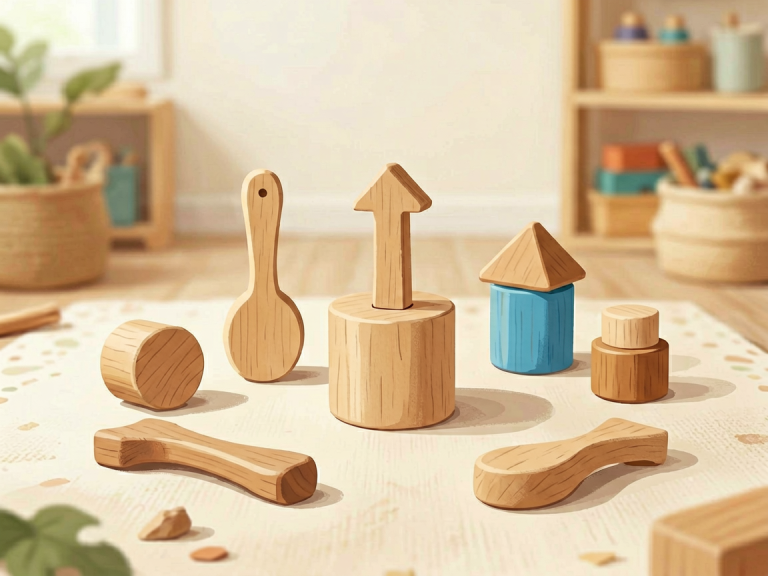
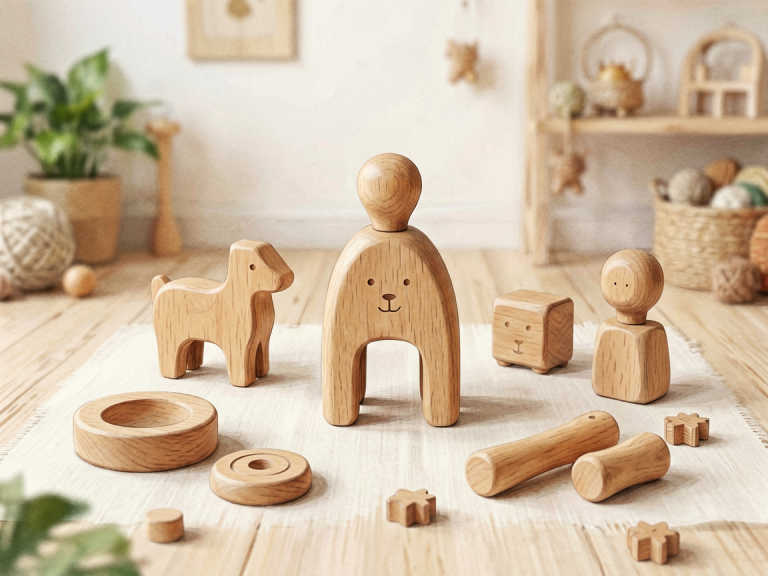
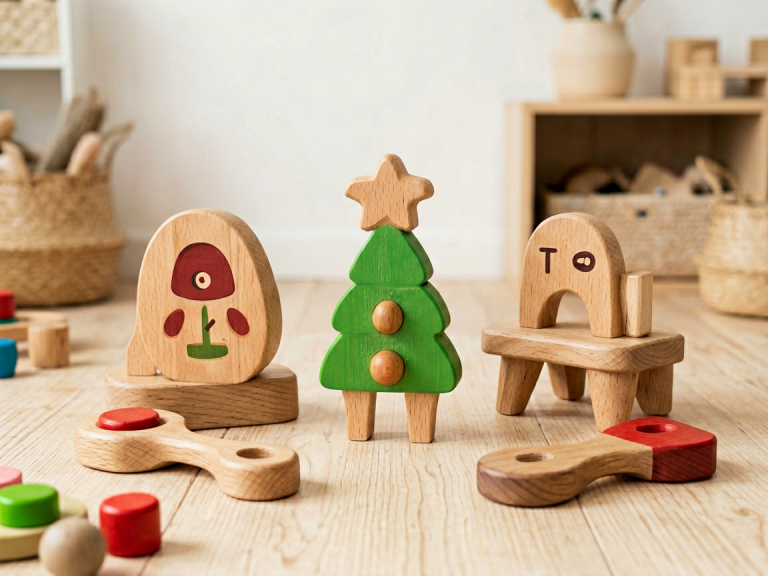
Furthermore, the rapid turnover of toys encourages a throwaway culture. Instead of passing toys to siblings, friends, or charity, many families simply discard them because they are perceived as obsolete or irrelevant. This is exacerbated by the fact that many fast-outgrow toys are designed with short-term trends in mind, such as movie tie-ins or seasonal fads, which have no lasting play value. The carbon footprint of producing, packaging, transporting, and disposing of these toys is enormous. By choosing toys that grow with the child—like modular construction sets, classic board games, or durable wooden trains—parents can dramatically reduce their household’s environmental impact. Such a shift aligns with the principles of sustainable consumption and teaches children valuable lessons about resource stewardship.
Stifling Developmental Growth: The Missed Opportunity for Deep Learning
Perhaps the most insidious harm is the effect on a child’s cognitive and social development. Toys are not mere entertainment; they are tools for learning and exploration. A toy that is quickly outgrown fails to provide the sustained challenge that children need to develop problem-solving skills, creativity, and resilience. For example, electronic toys with pre-programmed responses often limit a child’s imagination because they dictate the play scenario. Once the child has memorized the sequences or solved the simple puzzles, there is nothing left to discover. In contrast, open-ended toys like building bricks or modeling clay allow children to continuously adapt and create new challenges for themselves as their abilities grow.
Moreover, the habit of replacing toys frequently can inadvertently train children to expect constant novelty, which undermines their ability to engage in deep, sustained play. The developmental psychologist Lev Vygotsky emphasized the “zone of proximal development”—the sweet spot where a child can learn with appropriate support. A toy that is too easy is boring; one that is too hard is frustrating. But a toy that can be used in increasingly complex ways across different stages offers a perfect scaffold for growth. By selecting toys that are outgrown quickly, parents miss the chance to foster this natural progression. Children may become accustomed to superficial engagement, leading to shorter attention spans and a diminished capacity for imaginative thinking.
Encouraging a Disposable Mentality: Lessons in Wastefulness
The choice of fast-outgrow toys also sends a powerful message to children about the value of objects and relationships. When toys are replaced as soon as novelty fades, children learn that items are disposable and that satisfaction comes from acquisition rather than from creating, repairing, or repurposing. This can translate into a broader mindset of wastefulness and dissatisfaction in later life. Research in consumer behavior suggests that children who are accustomed to frequent toy turnover may develop a higher tolerance for material disposability, making them more susceptible to the culture of fast fashion and planned obsolescence as adults.
Furthermore, the emotional attachment to toys can be stunted. Children who never have the chance to truly bond with a toy—because it is abandoned before any meaningful connection forms—miss out on the comfort and security that a well-loved object can provide. Classic examples like a favorite teddy bear or a set of building blocks often become cherished companions precisely because they endure through multiple stages of a child’s development. The disposable mentality encouraged by fast-outgrow toys undermines this emotional anchoring, potentially affecting a child’s sense of stability and belonging.
Clutter and Household Stress: The Hidden Toll on Family Life
On a practical level, the accumulation of quickly outgrown toys leads to physical clutter that can overwhelm a home. Many parents complain about constant tidying, tripping over toys, and the struggle to find storage space. This clutter creates a visually stimulating but chaotic environment that can actually increase stress levels for both adults and children. Research in environmental psychology indicates that excessive clutter impairs focus, elevates cortisol, and contributes to feelings of anxiety. When a child has too many toys, they may also have difficulty choosing what to play with, leading to shorter engagement and more frequent demands for new items.
The cycle of buying, discarding, and replacing toys creates a logistical burden on parents as well. Sorting through outgrown toys, deciding whether to donate, sell, or trash them, and then dealing with the emotional negotiation with a child who has lost interest but may later regret the loss—this is a recurring chore that adds to the mental load of modern parenting. By contrast, families that intentionally select a smaller number of high-quality, long-lasting toys report feeling less overwhelmed and more able to enjoy playtime. The reduction of physical clutter is a tangible benefit that directly improves daily life.
The Social and Psychological Consequences: Peer Pressure and Insecurity
Social dynamics among children also play a role. In a culture where fast-outgrow toys are often tied to media franchises (e.g., every new movie release brings a wave of action figures or playsets), children may feel pressure to possess the latest item to fit in with peers. This can create a cycle of envy, one-upmanship, and social comparison that is damaging to a child’s self-esteem. When a toy becomes “old” as soon as the next trend appears, children are constantly chasing a moving target, never feeling satisfied. Moreover, children who do not receive new toys as often may feel left out, while those who do may become materialistic.
The rapid obsolescence of toys also affects how children perceive their own growth. Instead of viewing development as a gradual, natural process, they may associate it with the discarding of old things. This can foster a subtle insecurity about change itself—as if growing up means leaving behind not just toys but parts of oneself. In contrast, toys that are cherished over time provide continuity and a tangible link to earlier childhood memories, helping children feel grounded in their personal history.
Conclusion
Choosing toys that children outgrow quickly is far more than a minor parenting misstep; it is a problem that ripples through family finances, environmental sustainability, child development, and even the emotional health of the home. The allure of the bright, shiny, and instantly gratifying is understandable, but the costs are too high to ignore. Parents, educators, and society as a whole would benefit from shifting toward a philosophy of “slow toys”—items that are durable, open-ended, and adaptable to multiple stages of growth. By investing in quality over quantity and in longevity over novelty, we not only save money and reduce waste but also cultivate deeper play, stronger attachments, and more resilient children. The next time you reach for a toy that promises to be “just right for this age,” pause and consider: will it still be meaningful next year? If not, the problem is not just the toy—it is the choice that created it.