A Parents Guide: How to Choose Building Blocks for 7-Year-Olds
Choosing the right building blocks for a 7-year-old is a decision that goes far beyond simply picking the brightest colors or the biggest box. At this age, children are transitioning from basic imaginative play to more structured, goal-oriented activities. Their cognitive abilities, fine motor skills, and attention spans have developed significantly, making building blocks an ideal tool for fostering creativity, problem-solving, and even early engineering concepts. However, with the vast array of options on the market—from classic wooden bricks to complex electronic kits—selecting the perfect set can feel overwhelming. This guide will walk you through the essential factors to consider, ensuring that your child’s playtime is both enjoyable and educational.
Safety First: Materials and Size
Safety is the non-negotiable foundation of any toy choice, and building blocks are no exception. For a 7-year-old, the primary concerns are the quality of materials and the absence of choking hazards. Unlike toddlers, 7-year-olds have outgrown the stage of putting everything in their mouths, but that doesn't mean you can ignore small components. Look for blocks that are made from non-toxic, BPA-free plastics or sustainably sourced, splinter-free wood. Many high-quality brands use food-grade dyes and rounded edges to minimize risk.
The size of the blocks is also critical. While traditional small bricks (like those from major brands) are perfectly safe for a 7-year-old, ensure that there are no pieces smaller than 3 centimeters in any dimension unless they are part of a supervised kit. Pay special attention to sets that include tiny decorative elements, such as wheels, hinges, or figurines. Check for proper labeling: reputable manufacturers will indicate the recommended age range on the packaging. For a 7-year-old, a set marked "ages 6+" or "7+" is usually appropriate, as these have been tested for both safety and developmental suitability.
Educational Value: STEM and Creativity
By age 7, children are capable of understanding cause-and-effect relationships and basic physics principles. Building blocks offer a hands-on way to explore these concepts. When evaluating a set, consider its potential for STEM (Science, Technology, Engineering, and Mathematics) learning. For example, gear-based blocks teach simple mechanics and motion. Magnetic tiles introduce concepts of polarity and structural stability. Even classic interlocking bricks can be used to build bridges, towers, and vehicles, giving children a practical understanding of balance, weight distribution, and symmetry.
Creativity is equally important. The best building sets intentionally avoid rigid instructions. While a picture guide can provide inspiration, the blocks should allow for open-ended construction. A 7-year-old who is told exactly how to build a specific model may become frustrated if they make a mistake, or conversely, may rely too heavily on directions and lose the opportunity to invent. Look for sets that come with basic ideas but encourage children to create their own designs. Some kits even include blank tiles or connectors that invite customization. Remember: the goal is not to replicate a perfect model, but to nurture a child’s imagination and confidence in their own ideas.
Complexity and Challenge: Age-Appropriate Sets
One of the biggest mistakes parents make is buying building blocks that are either too simple or too advanced for their child’s developmental stage. A 7-year-old is in a sweet spot: they have the patience for multi-step projects but still need a sense of accomplishment. If the set is too easy, the child may lose interest quickly. If it is too difficult, they may become discouraged.
Look for sets that offer a moderate challenge. For instance, a 300-piece brick set with a variety of colors and shapes can lead to an afternoon of focused building. On the other hand, a 1,000-piece set with intricate technical parts may overwhelm a typical 7-year-old. A good rule of thumb is to check the model complexity: sets designed for children aged 7–10 often feature constructs that require 30–60 minutes to complete. Some sets also offer "graduated difficulty," where the included instructions show simpler builds first, then progress to more complex ones. This allows the child to grow with the set.
Another useful feature is the ability to combine multiple sets. Many building block systems are modular, meaning that pieces from different kits can be used together. This extends the life of the toy and encourages children to think about how different components interact. For a 7-year-old, having a "starter" set that can later be expanded is often more valuable than a single, massive box.
Types of Building Blocks: Which Ones Work Best?
Not all building blocks are created equal. At age 7, children can benefit from a variety of types, each offering unique skills. Here are some popular categories:
Plastic Interlocking Bricks (e.g., LEGO, Mega Bloks): These are the gold standard for many families. They offer endless versatility, and the pieces click together with satisfying precision. For 7-year-olds, the "Classic" or "Creator" lines are excellent because they combine large quantities of basic bricks with a few specialized pieces. Avoid sets that are heavily themed around a specific movie or character unless your child is especially passionate about it, because those sets often limit creative reuse.
Magnetic Building Tiles (e.g., Magna-Tiles, PicassoTiles): These are fantastic for teaching geometry and spatial awareness. The magnets make it easy to build 3D structures that would be unstable with traditional bricks. Many 7-year-olds enjoy constructing castles, rockets, and geometric shapes. Magnetic tiles also promote collaboration, as multiple children can work together on a large structure.
Wooden Blocks (e.g., Unit Blocks): While often associated with younger children, high-quality wooden blocks can still captivate a 7-year-old, especially when used for architectural projects. They are heavier and less precise than plastic, which means children have to develop a better sense of balance and friction. Some wooden sets include arches, cylinders, and ramps, which are perfect for building marble runs or simple machines.
Construction Beams and Connectors (e.g., K’Nex, Strawbees): These are more advanced and focus on creating frameworks. They are ideal for children who are interested in how things are built—bridges, cranes, and even working models of vehicles. The connectors are small, so ensure your child has good fine motor control. For a 7-year-old, starting with a kit that includes clear picture instructions is usually best.
Electronic or Programmable Blocks (e.g., littleBits, LEGO Boost): If your child is tech-savvy, consider sets that incorporate lights, motors, or simple coding. These turn building blocks into interactive toys. However, they tend to be more expensive and require supervision or adult involvement. A 7-year-old with some experience in building may love the challenge of making a block robot move or a light flash.
Interests and Themes: Engaging a 7-Year-Old
A child’s personal interests can dramatically influence how much they enjoy building blocks. While a generic set can be fun, a themed set related to dinosaurs, space, vehicles, or animals often sparks deeper engagement. If your child is fascinated by construction vehicles, a set with bulldozers and cranes will hold their attention longer than a box of assorted bricks. Similarly, a space-themed set with rocket parts and astronaut figures can inspire stories and role-play.
However, be cautious of sets that are too narrative-driven. Some theme sets have specialized pieces that are only useful for one specific model. This can limit the child’s ability to reuse the blocks for original creations. A good compromise is to choose a set that includes both themed elements (like a unique window or wheel) and a generous number of generic pieces. That way, the child can follow the instructions to build their favorite vehicle or castle, and then later dismantle it to build something entirely new.
Also consider the child’s social context. Many 7-year-olds enjoy building with friends or siblings. Look for sets that are easy to share, with enough pieces for two or more children. Some sets even come with multiple instruction booklets for different builds, so each child can work on their own project simultaneously.
Budget and Quality: Making a Smart Purchase
Building blocks can range from very affordable to eye-wateringly expensive. While price is not always a measure of quality, there are some general guidelines. Cheap, off-brand blocks often have poor clutch power (the ability of bricks to stick together), uneven edges, or colors that fade quickly. They can also contain harmful chemicals. For a child of 7, a mid-range set from a reputable brand is usually the best value. You get durable pieces that fit together well, clear instructions, and often a warranty or satisfaction guarantee.
You don’t have to buy everything at once. Many parents find it more effective to purchase a moderate-sized core set (200–400 pieces) and then add smaller expansion packs based on the child’s evolving interests. This also helps the child appreciate each new addition. Keep an eye out for sales, especially during holiday seasons, and consider second-hand sets from trusted sources. Just be sure to inspect the pieces for wear or damage.
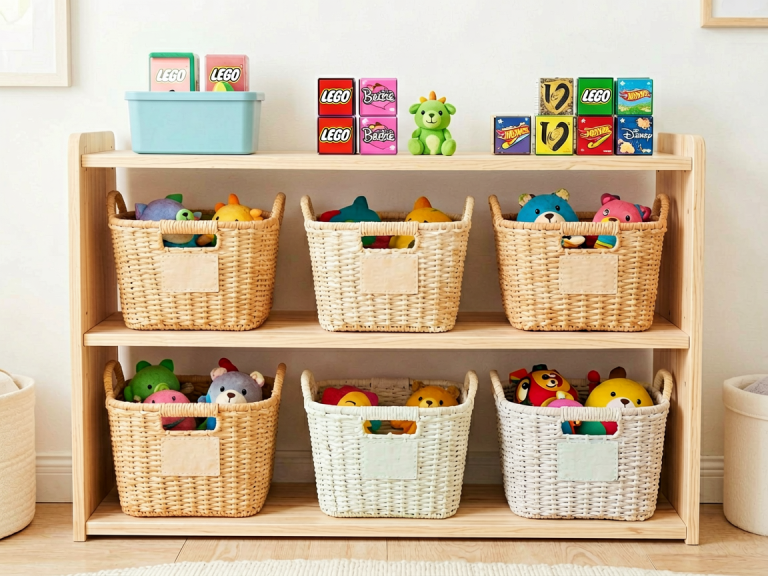
Finally, think about storage. A 7-year-old can be taught to organize and sort their blocks, but it helps to have a system in place. Some sets come with plastic bins or dividers. If not, invest in a simple storage solution like a tackle box or compartmentalized container. Teaching a child to care for their toys is a life skill in itself.
Conclusion
Choosing building blocks for a 7-year-old is an opportunity to support their development in a playful, hands-on way. Safety, educational value, appropriate complexity, type, personal interests, and budget all play important roles in making the right decision. The best building block set is one that challenges without frustrating, inspires without imposing, and grows with the child. Whether you choose classic bricks, magnetic tiles, or a themed construction kit, the ultimate goal is to provide your child with a tool for exploration and creation. Watch how they build, what they design, and how they solve problems—you will likely be amazed at what a 7-year-old can imagine and achieve with just a handful of blocks.