Maximizing Play and Learning: A Comprehensive Guide on How Parents Can Use Toy Rotation
Introduction
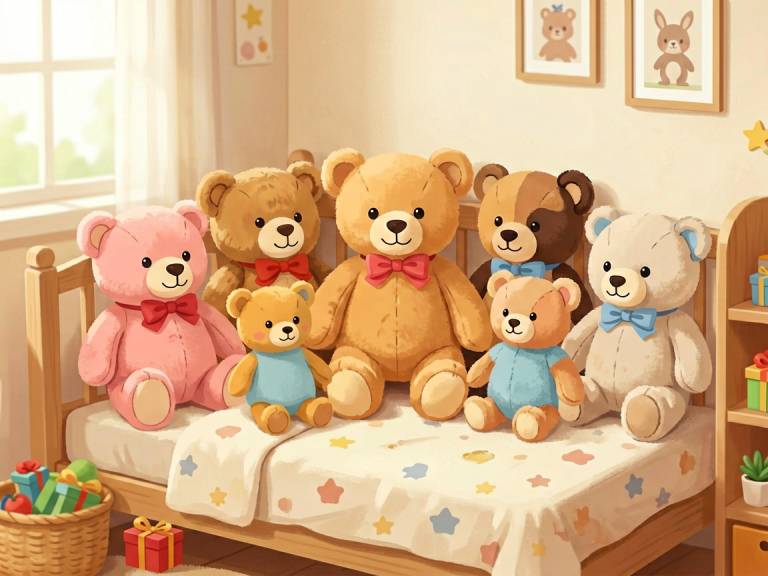
In modern households, the sheer volume of toys can quickly overwhelm both parents and children. A cluttered playroom often leads to short attention spans, messy spaces, and abandoned toys. One powerful yet simple strategy that parents can adopt is toy rotation — the practice of periodically swapping out a subset of toys while storing the rest out of sight. This method is not just about tidiness; it is a developmental tool that enhances a child's creativity, focus, and appreciation for what they own. This article will explore how parents can effectively use toy rotation, backed by research and practical advice, to transform playtime into a richer, more meaningful experience.
What Is Toy Rotation?
Toy rotation involves dividing your child's complete toy collection into several smaller groups or "bins." Only one group is available for play at a time, while the others are stored away. After a set period — often one to two weeks — the current toys are swapped for a new group. The concept draws from Montessori education principles, which emphasize a prepared environment that is orderly, limited, and accessible. By reducing the number of choices, children are encouraged to engage deeply with each toy rather than flitting from one to another.
Why Toy Rotation Works: The Psychological and Developmental Benefits
1. Reduces Overstimulation
Young children, especially toddlers and preschoolers, can become easily overwhelmed by too many visual and physical choices. A surplus of toys sends their senses into overdrive, leading to frustration, whining, or aimless wandering. Toy rotation limits these stimuli, allowing the brain to focus. Neurodevelopmental research suggests that when the environment is less cluttered, children are more capable of sustained attention and imaginative play.
2. Increases Play Depth and Creativity
When a child has fewer toys, they are forced to explore each item more thoroughly. A set of wooden blocks might be used to build a castle, then a spaceship, then a road — rather than being abandoned for a flashier electronic toy. Deep play is essential for problem-solving, spatial awareness, and storytelling skills. Parents often report that after implementing rotation, children suddenly "discover" new ways to play with familiar objects.
3. Teaches Gratitude and Responsibility
In a consumer-driven culture, children often expect endless new toys. Rotation helps them appreciate what they have. When a favorite toy reappears after being stored for a few weeks, it feels fresh and exciting again. Additionally, children learn to take care of their toys because they know they will be rotated back. This also reduces the "gimme" mentality around birthdays and holidays.
4. Simplifies Clean-Up and Routine
Fewer toys in circulation mean quicker, more manageable clean-up times. Children can learn to put away their toys independently without feeling overwhelmed. This builds a sense of order and responsibility. Parents also benefit from a less cluttered living space, which can reduce household stress.
How to Implement Toy Rotation: A Step-by-Step Guide for Parents
Step 1: Audit and Declutter
Before starting, take an honest inventory of your child's entire toy collection. Remove any broken, missing-pieces, or age-inappropriate toys. Discard or donate those that your child has genuinely outgrown. This initial purge is crucial: rotation works best with quality over quantity. Aim to keep only the toys that truly spark joy, learning, or creativity.
Step 2: Categorize the Toys
Group toys by type, theme, or developmental domain. For example, categories might include:
- Building and construction (blocks, Legos, magnetic tiles)
- Pretend play (kitchen sets, dolls, costumes)
- Art and craft (crayons, clay, stickers)
- Puzzles and games (jigsaw puzzles, memory cards)
- Sensory toys (playdough, sand, water toys)
- Books and quiet activities (picture books, soft toys)
You can also sort by "high-energy" versus "calm" toys, or by the child's current interests.
Step 3: Create Rotation Bins
Divide the toys into 4–6 groups. Each group should contain a balanced mix from different categories — perhaps one building toy, one pretend-play item, one puzzle, one art activity, and a few small toys. Use clear plastic bins or labeled baskets so that each group is easily identifiable. Store the bins in a closet, garage, or under a bed — out of the child's reach and sight.
Step 4: Set a Rotation Schedule
The ideal rotation frequency depends on your child’s age and attention span. For infants and young toddlers (6–18 months), a weekly rotation might be best because their interests shift quickly. For preschoolers (2–4 years), every two weeks works well. For older children (5+), monthly rotation can keep things novel without causing disruption. Some parents use a calendar or reminder app to prompt them.
Step 5: Introduce the System to Your Child
Explain the concept in simple terms: "We're going to have a special box of toys for this week. Next week, we'll put these away and get new ones!" Let your child help choose which bin comes out first. For older children, you can even allow them to decide the rotation order. This gives them a sense of control and buy-in.
Step 6: Observe and Adjust
Pay attention to how your child interacts with the toys. If they consistently ignore certain items, consider swapping them out sooner or donating them. Conversely, if they are deeply engaged with a particular toy, you might extend the rotation period. Keep notes on which categories seem most engaging.
Tips for Successful Toy Rotation
Involve Your Child in the Process
Make rotation a collaborative activity. Let your child help pack away the old toys — this can be a game in itself. You might say, "Let's say goodbye to the blocks and welcome the puzzles!" This builds enthusiasm and reduces resistance.
Rotate Books, Puzzles, and Art Supplies Too
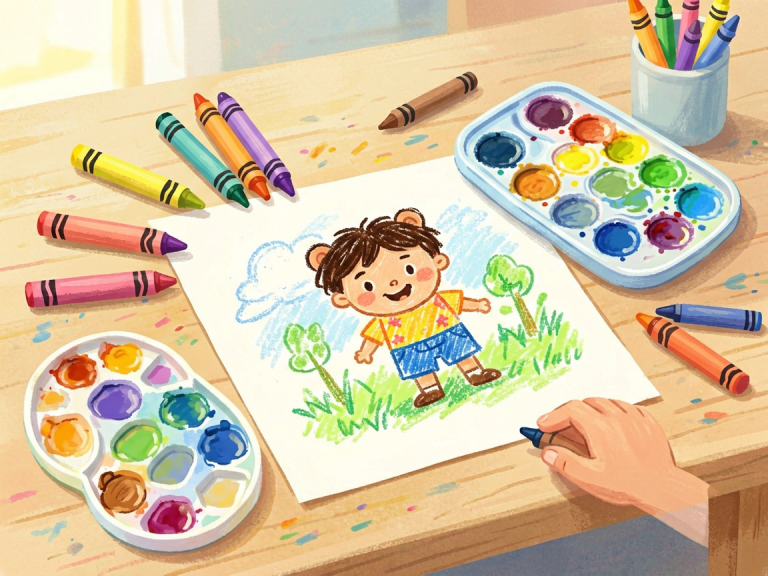
Toy rotation is not limited to plastic playthings. Rotating books keeps the reading corner interesting. Rotating art materials (e.g., watercolors one week, chalk another) encourages varied creative expression. Even puzzles become more challenging and rewarding when you see them anew.
Keep a "Favorites" Bin
Some toys are comfort objects — a special stuffed animal, a beloved car, or a blanket. These should remain accessible at all times. Do not rotate them away. Otherwise, the child may feel anxious or insecure.
Use the Switched-Out Toys for "Surprise Returns"
When you rotate a bin back in, treat it as a small surprise. You might say, "Look what's back! Remember how much fun you had with this?" This reinforces the excitement of rediscovery.
Don't Rotate Everything at Once
If you have a very large collection, consider rotating only a portion each week. For instance, keep three bins permanently accessible (e.g., books, art supplies, a few classic toys) and rotate the other bins. This provides stability while still offering novelty.
Age-Specific Considerations for Toy Rotation
Infants (0–12 months)
For babies, rotation should focus on sensory exploration. Group toys by texture (soft, crinkly, rubbery), sound (rattles, bells), or visual contrast (black-and-white cards, mirrors). Keep only a few items visible at once — too many can overstimulate an infant. Rotate every 3–4 days as babies develop rapidly.
Toddlers (1–3 years)
Toddlers thrive on cause-and-effect play and simple pretend scenarios. Rotation groups might include stacking cups, animal figures, a small push-pull toy, and a shape sorter. Avoid too many electronic or battery-operated toys; open-ended items work best. Rotate weekly to match their short attention spans.
Preschoolers (3–5 years)
Preschoolers enjoy more complex narratives. Include dress-up clothes, building sets, simple board games, and art projects. Rotation every two weeks works well. This age also benefits from "themed" rotations — for example, a dinosaur week, then a princess week, then a space week. Theme-based rotation deepens imaginative play.
School-Age Children (6+)
Older children may have more specific hobbies (science kits, craft projects, advanced building sets). Rotation can be monthly or even seasonally. Involve them in planning: let them choose which bin to open next. At this stage, toy rotation also teaches valuable organizational skills that carry into schoolwork.
Common Pitfalls and Solutions
Pitfall: The Child Demands a Toy That Is Currently Stored
Solution: Acknowledge the desire but explain the system. "I know you miss the fire truck. It will come back in two weeks. Let's find something fun in our current bin." If the child is very upset, offer to let them choose a special toy to keep out permanently (the "favorites" bin).
Pitfall: The Parent Becomes Overwhelmed by the Organization
Solution: Start small. You don't need to sort every single toy at once. Begin with just one category, like puzzles and blocks. As you see the benefits, you can expand. Use simple labels and avoid perfectionism.
Pitfall: The Child Loses Interest in the Rotated Toys Quickly
Solution: Re-evaluate the toy selection. Are the toys age-appropriate? Are they truly engaging? Sometimes parents keep toys that children have outgrown. Also, try mixing toys from different categories to encourage cross-play (e.g., adding animal figures to a building set).
Pitfall: Siblings Disagree on Which Bin to Use
Solution: For multiple children of different ages, create separate rotation systems tailored to each child's developmental stage. Alternatively, have a "community bin" with toys that all siblings enjoy, and rotate that bin alongside personal bins.
Conclusion
Toy rotation is far more than a cleaning hack — it is a mindful parenting strategy that nurtures a child's cognitive, emotional, and social growth. By streamlining the play environment, parents give their children the gift of deeper focus, creative problem-solving, and genuine gratitude. The implementation may require an initial investment of time, but the long-term rewards are immense: a calmer home, a happier child, and a parent who feels more in control. Start today by choosing just one small bin. As you watch your child rediscover the joy of a forgotten toy, you will understand why toy rotation has become a cornerstone of intentional parenting around the world.