Are Subscription Toy Boxes Worth It? A Comprehensive Analysis
Introduction
In recent years, subscription toy boxes have become a booming trend in the parenting and gift-giving market. Services like KiwiCo, Lovevery, Little Passports, and countless others promise to deliver curated, age-appropriate toys to your doorstep every month, saving parents the hassle of shopping and claiming to foster developmental skills. But with prices ranging from $20 to over $50 per box, and with many families already drowning in plastic playthings, the question is pressing: are subscription toy boxes worth it? This article will dissect the pros and cons, analyze the true cost-benefit ratio, consider environmental and developmental factors, and help you decide whether these monthly surprises are a clever investment or just another consumer trap.
The Allure of Convenience and Curation
The primary selling point of subscription toy boxes is convenience. For busy parents, the idea of having a professional select developmentally appropriate toys based on a child’s age is incredibly appealing. Instead of scrolling through endless Amazon reviews or wandering aimlessly through toy aisles, a package arrives with activities that require minimal preparation. Many boxes also include detailed guidebooks or online videos explaining the educational benefits, which can be a lifeline for parents who want to engage in purposeful play but lack the time or expertise.
Another aspect of the appeal is the element of surprise. Children often respond with genuine excitement to a new box each month, which can reduce the “gimme” syndrome associated with toy-store visits. Subscription services also claim to reduce clutter by providing a limited number of high-quality items rather than accumulating cheap, single-use toys. Brands like Lovevery emphasize the Montessori-inspired, open-ended design of their toys, promising that each piece will be used in multiple ways over months. For parents who value minimalism and educational rigor, this curated approach seems like a dream.
The Hidden Costs and Drawbacks
Despite the surface-level appeal, subscription toy boxes come with significant costs—both financial and practical. First, let’s talk about money. A monthly box that costs $40 per month adds up to $480 per year. For that amount, you could purchase several durable, classic toys (like wooden blocks, art supplies, or a good-quality tricycle) that would last for years rather than months. Moreover, many boxes contain items that your child may already have or that are similar to toys you already own. The “age-appropriate” curation is often based on averages, but every child develops differently. A box designed for a 12-month-old might include a stacking ring, but your 12-month-old might already be bored with stacking rings and more interested in pushing cars.
Another overlooked drawback is the pressure to use every item. Parents may feel guilty if their child ignores a $30 activity kit, leading to forced play sessions that are neither fun nor educational. Additionally, the subscription model creates a cycle of consumption: even if your child loves the first box, the novelty can wear off, and soon you are accumulating toys that are used once and forgotten. The “clutter-free” promise often fails because parents are reluctant to discard expensive curated items, so the boxes end up in closets or donation piles anyway.
Evaluating the Value: Quality vs. Quantity
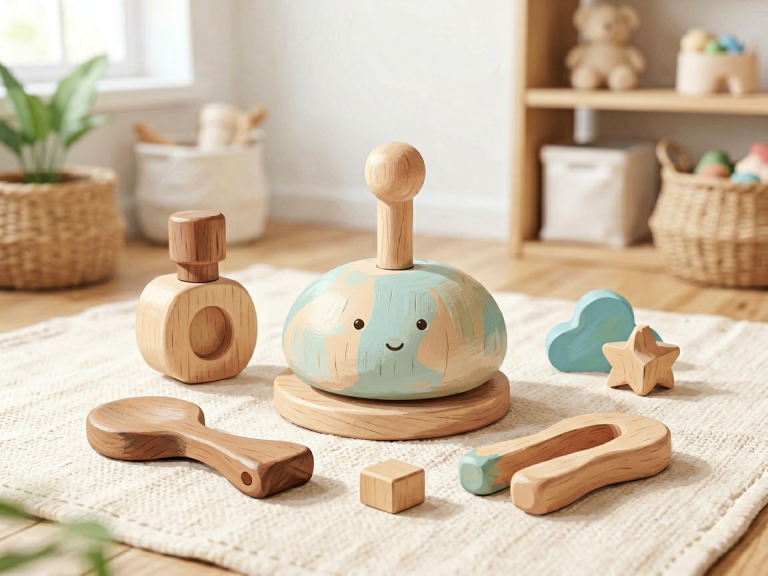
One crucial metric for assessing whether subscription toy boxes are worth it is the quality-to-quantity ratio. High-end services like Lovevery or Monti Kids focus on materials—solid wood, nontoxic paints, and thoughtful design. These toys can indeed be passed down to siblings or sold secondhand, which improves their long-term value. In contrast, cheaper subscription boxes (e.g., some offerings from Amazon or generic “surprise” boxes) often contain plastic trinkets that break easily or have limited play value. The latter are almost certainly not worth the recurring expense.
However, even premium boxes can fall short. A well-made wooden puzzle might cost $20 in a store, but the same puzzle included in a $50 subscription box is hardly a bargain when you consider the other items that may be less useful. The real value lies in the curation and the “whole package” experience—if the box includes a science experiment, an art project, and a reading activity, each aligned with a theme, that integrated learning experience might justify the cost. Parents must ask themselves: would I independently purchase these specific items? If the answer is no, the subscription is essentially paying for someone else’s decision-making.
Environmental and Ethical Considerations
In an era of climate anxiety and overconsumption, subscription toy boxes raise environmental red flags. Each month, a new box is packaged, shipped, and delivered—often with layers of cardboard, plastic wrap, and bubble mailers. Even if the toys themselves are eco-friendly, the cumulative carbon footprint of monthly shipping is substantial. Moreover, many toys in subscription boxes are designed to be “age-specific” and quickly outgrown, encouraging a throwaway culture. While some services offer recycling programs or use compostable packaging, the core business model still relies on frequent delivery and planned obsolescence.
Ethically, we must also consider labor practices and material sourcing. Not all subscription companies are transparent about where their toys are made. Cheaper boxes may come from factories with questionable working conditions, while premium brands often tout fair-trade and sustainable production. As a conscious consumer, researching the company’s values is essential. If you value sustainability, a subscription box might still be worthwhile if the company uses FSC-certified wood, soy-based inks, and carbon-neutral shipping. But if the ethics are murky, better to buy locally or make your own toy kits.
Age-Appropriateness and Child Development
Developmental psychologists generally agree that simple, open-ended toys—blocks, balls, art supplies, pretend play items—are the most beneficial for children. Subscription boxes often include these, but they also include many single-purpose items like craft kits that yield a specific outcome (e.g., a painted birdhouse). While completing a craft can be satisfying, the learning is often more about following instructions than about creative exploration. For very young children (0–2 years), subscription boxes can be a great way to rotate toys and introduce new sensory experiences. However, for older children (3+), the value is more variable.
A child who loves building may get more out of a monthly LEGO subscription than a general toy box. Niche subscription services—like those focused on STEM experiments, coding, or geography—can be excellent for sparking passions. The key is matching the subscription to the child’s interests, not just their age. Many parents also report that the “surprise” element loses its magic after a few months, and children start to view the box as a chore rather than a treat. In that case, the money might be better spent on a single, high-quality toy that aligns with a deep interest.
Making an Informed Decision
So, are subscription toy boxes worth it? The answer is not a simple yes or no—it depends on your family’s circumstances. Here are some practical guidelines:
- Budget: If you have disposable income and value the convenience of curated toys, a subscription can be worthwhile. If money is tight, you can achieve similar developmental benefits by DIY kits from dollar-store items or by visiting the library.
- Clutter tolerance: If you live in a small space or hate toy clutter, a subscription that offers a rotating toy library (some companies let you swap items) might be better than a one-time purchase.
- Child’s age and temperament: For infants and toddlers, subscription boxes can be an excellent way to introduce novelty without overbuying. For preschoolers, choose a service that aligns with their current obsession (dinosaurs, space, art). For school-age kids, consider a service that teaches a skill, like coding or gardening.
- Environmental guilt: If you worry about waste, choose a carbon-neutral company that offers a subscription with fewer items per month, or opt for a service that uses only secondhand or upcycled toys.
- Comparison with other expenses: Would you rather spend $40 on a subscription toy box or on a family outing to a children’s museum? The latter might create stronger memories and experiences.
Ultimately, the best approach is to try one month before committing to a full year. Many services offer single-box purchases. Evaluate the quality, your child’s engagement, and whether the box sparks independent play or just passive consumption. Keep track of how long the toys are used. If your child plays with the items for weeks, the box might be worth it. If they are ignored after one day, cancel.
Conclusion
Subscription toy boxes are a modern convenience that blend entertainment, education, and marketing. For some families, they are a delightful monthly ritual that reduces parental stress and enriches a child’s play environment. For others, they are an expensive source of clutter that undermines the very goal of mindful parenting. The deciding factor lies in careful evaluation: understand your child’s developmental stage, your budget, your values regarding consumption and sustainability, and your own tolerance for recurring commitments. By asking the right questions and avoiding the hype, you can determine whether a subscription toy box is a valuable tool or just another monthly bill. In the end, the best toy for any child is the one that inspires joy, curiosity, and connection—whether it comes in a curated box or from a simple cardboard tube.