Should I Buy Building Blocks for 11-Year-Olds? A Comprehensive Guide for Parents
Introduction: Beyond the Toy Aisle
As children grow, the question of what to buy them becomes increasingly complex. At age 11, a child stands at a fascinating crossroads—too old for simple baby toys, yet not quite ready for the full independence of teenage years. When I first considered buying building blocks for my 11-year-old nephew, I hesitated. Would he consider them “babyish”? Would they collect dust in a corner? Or could these colorful plastic pieces hold unexpected value for a pre-teen mind?
After extensive research, conversations with educators, and personal experimentation, I have come to a clear conclusion. Yes, you absolutely should buy building blocks for an 11-year-old—provided you choose the right type and approach them with the right mindset. This article explores the developmental, educational, and emotional reasons why building blocks remain a powerful tool for children in this age group, while also addressing potential pitfalls and offering practical advice for parents.
The Developmental Power of Building Blocks for Pre-Teens
Cognitive Growth: From Concrete to Abstract Thinking
At age 11, children are transitioning from Piaget’s concrete operational stage to formal operational thinking. They begin to handle abstract concepts, hypothetical reasoning, and systematic problem-solving. Building blocks—especially advanced sets like LEGO Technic, magnetic tiles, or architectural model kits—perfectly align with this cognitive leap.
When an 11-year-old sits down to assemble a complex structure, they are not just following instructions. They are engaging in spatial reasoning, sequential logic, and planning. For instance, building a motorized crane requires understanding gears, levers, and force transfer. This is not play; it is applied physics. Research from the University of California found that children who regularly engage in construction play score significantly higher on tests of spatial visualization—a skill strongly correlated with success in STEM fields (science, technology, engineering, and mathematics).
Moreover, building blocks encourage trial-and-error learning. When a tower collapses, the child must analyze why: Was the base too narrow? Did I skip a support beam? This iterative process mirrors the scientific method and teaches resilience. Failure becomes a stepping stone rather than a dead end.
Fine Motor Skills and Hand-Eye Coordination
Some parents mistakenly believe fine motor development ends in early childhood. In reality, pre-teens continue to refine these skills, which are crucial for handwriting, drawing, and later for technical tasks like soldering or surgery. Advanced building blocks require precise finger movements—snapping small pieces together, aligning axles, or tightening screws in LEGO Technic sets. These actions strengthen the small muscles of the hand and improve dexterity.
For an 11-year-old who struggles with handwriting or typing, building blocks can serve as a therapeutic tool. Occupational therapists often use construction toys to improve bilateral coordination (using both hands together) and motor planning. Even children without diagnosed difficulties benefit from this low-stress fine motor workout.
Creativity and Divergent Thinking
One common misconception is that building blocks stifle creativity because children follow instructions. The truth is more nuanced. Following a blueprint teaches structured creativity—a skill that engineers, architects, and designers use daily. After mastering a set, most children then modify it, combine it with other sets, or build entirely original creations.
For 11-year-olds, open-ended building sets like K'NEX, Magna-Tiles, or generic brick packs are particularly valuable. These allow for divergent thinking: generating multiple solutions to a single problem. "How can I build a bridge that supports 500 grams?" The child might try arches, suspension cables, or trusses. Each attempt stretches their imagination and engineering intuition.
Social and Emotional Benefits for the Pre-Teen Years
Fostering Patience and Delayed Gratification
In an era of instant gratification—video games, streaming, social media—building blocks stand as a quiet counterforce. A complex set may take hours or even days to complete. This teaches sustained focus and patience. When I watched my nephew spend three consecutive afternoons assembling a LEGO Harry Potter castle, I saw him learn something that no school worksheet could teach: the joy of incremental progress.
Psychologists note that the ability to delay gratification is a stronger predictor of adult success than IQ. Building blocks provide a safe, rewarding environment to practice this skill. The child experiences the dopamine rush of completing one section, but must resist the urge to rush through the entire project.
Building Confidence and a Sense of Achievement
Finishing a 1,500-piece architectural model or a motorized vehicle gives an 11-year-old a genuine sense of accomplishment. Unlike many school tasks where success depends on external validation (grades, teacher praise), building blocks offer intrinsic rewards. The child sees their creation, touches it, and says, "I made this." This bolsters self-efficacy—the belief in one's ability to achieve goals.
For children who struggle academically, building blocks can be an especially powerful confidence builder. A child who feels "bad at math" might excel at spatial challenges, discovering a hidden talent. This success can then spill over into other areas of life.
Encouraging Collaborative Play
By age 11, peer relationships become paramount. Building blocks offer a screen-free way for friends to interact. Two or three children can work together on a giant set, negotiating roles, sharing pieces, and solving problems collectively. This builds communication skills, compromise, and teamwork.
I have observed groups of 11-year-olds spend an entire afternoon building a cityscape. They argue about zoning—"The hospital should be near the police station!"—and celebrate together when a bridge finally stands. These interactions teach social dynamics far more effectively than a classroom lecture.
Addressing Common Parental Concerns
"Won't He Think Blocks Are Babyish?"
This is the most frequent objection I hear. The solution is simple: choose age-appropriate sets. Avoid the large, chunky blocks designed for toddlers. Instead, opt for:
- LEGO Technic (e.g., car engines, cranes, robots)
- Architectural models (e.g., Frank Lloyd Wright's Fallingwater)
- Magnetic building sets (e.g., Geomag, Magformers)
- 3D puzzle blocks (e.g., wooden brain teasers)
- Programmable blocks (e.g., LEGO Boost or Spike Prime)
These sets have a sophisticated look and challenging complexity. An 11-year-old will likely feel proud to display a working forklift or a detailed replica of the Taj Mahal. Many children this age even enjoy collecting rare sets or trading pieces online, turning building blocks into a hobby with subculture appeal.
"But He Already Has Too Many Screens"
Ironically, building blocks can be integrated with technology. Programmable robot kits like LEGO Mindstorms combine physical building with coding, appealing to tech-savvy pre-teens. The child builds a robot, then writes code to make it move, respond to sensors, or perform tasks. This hybrid play bridges the digital and physical worlds, teaching programming concepts in a hands-on way.
"What If He Loses Interest After a Week?"
This is a valid concern for any toy. The key is to rotate building block sets and encourage open-ended play. Instead of buying one massive set, purchase several smaller ones that can be combined. A child might tire of a specific car model but later repurpose its pieces to build a spaceship.
Additionally, consider joining a local LEGO club or online community (with parental supervision). Sharing creations on platforms like Rebrickable can sustain interest over months or years. Some children even start selling their own custom designs, turning a hobby into an entrepreneurial venture.
Practical Recommendations: How to Choose the Right Building Blocks
Age and Skill Level Considerations
For 11-year-olds, look for sets labeled ages 9–14 or 10+. The piece count should be substantial—typically 500 to 2,000 pieces. Avoid sets with too many tiny pieces that could frustrate a beginner. If the child is new to building blocks, start with a medium-complexity set (around 800 pieces) and gradually increase difficulty.
Themed Sets vs. Open-Ended Sets
Themed sets (e.g., Star Wars, Harry Potter, Marvel) often appeal to interests. If your child loves a specific franchise, a themed set can be a powerful motivator. However, these sets are often built once and then displayed. For long-term value, supplement with open-ended sets like a basic brick collection (e.g., LEGO Classic boxes) that allow endless creativity.
Budget and Sustainability
Building blocks can be expensive. Consider buying used sets from online marketplaces or garage sales. LEGO bricks are durable and hold value well. Some brands like Mega Bloks or Cobi offer compatible pieces at lower prices. Alternatively, look for educational construction kits from brands like Engino or Thames & Kosmos, which often include curriculum guides.
Safety and Maintenance
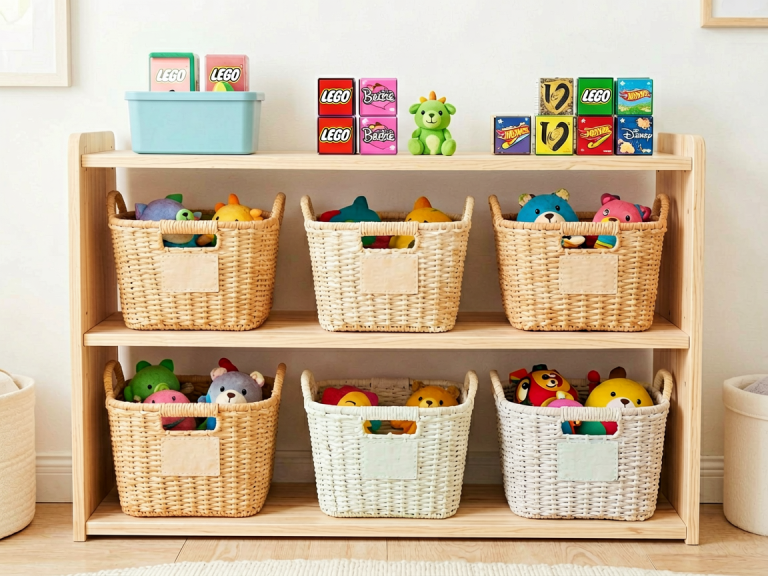
At age 11, safety concerns are minimal, but ensure no small pieces are present if younger siblings are around. Store blocks in labeled bins or sorting trays to prevent loss. Some parents find that a dedicated building table or mat helps contain the mess.
Conclusion: A Timeless Investment in Growth
So, should you buy building blocks for an 11-year-old? The evidence is overwhelming: yes. Far from being a childish pastime, building blocks offer a unique blend of cognitive challenge, creative expression, and social engagement that perfectly suits the pre-teen developmental stage. They teach patience, problem-solving, and perseverance—skills that no app or video game can replicate.
My nephew, now 12, still pulls out his LEGO sets when he needs a break from homework or wants to unwind. He has moved on from simple cars to motorized machinery and even designed his own marble run. When his friends come over, they often end up building together rather than staring at screens. The blocks have become a fixture of his childhood, a quiet anchor in a noisy world.
In a market flooded with disposable toys and passive entertainment, building blocks stand as a testament to the power of hands-on learning. They are not just toys; they are tools for building minds. And for an 11-year-old on the brink of adolescence, there is no better gift than the chance to build something—literally and metaphorically—with their own two hands.