The Ultimate Guide to Choosing LEGO-Style Bricks for 18-Month-Olds: Safety, Development, and Fun
Introduction: Why Bricks Matter at 18 Months
At 18 months old, a child is stepping into a world of newfound mobility, curiosity, and cognitive leaps. They are no longer passive infants but active explorers who crave tactile stimulation, cause-and-effect play, and the joy of creation. LEGO-style bricks—affordable, colorful, and compatible with the iconic interlocking system—are a fantastic tool for this stage. However, not all bricks are created equal. The wrong size, material, or design can pose choking hazards, frustrate tiny hands, or fail to engage a toddler’s developing mind. This guide walks you through every critical factor—from safety certifications to developmental benefits—so you can confidently purchase the perfect set of LEGO-style bricks for your 18-month-old.
Why Size Matters: Big Blocks for Little Hands
The most fundamental rule when choosing bricks for an 18-month-old is size. At this age, children are still mastering fine motor skills like pincer grasp and hand-eye coordination. They cannot manipulate standard-sized LEGO bricks (the classic 2×2 or 2×4 studded pieces) because those are too small to grip firmly and too easy to swallow. Instead, you must look for jumbo-sized or Duplo-compatible bricks.
- Minimum dimensions: Each brick should measure at least 3–4 centimeters (about 1.2–1.6 inches) in any direction. The chunky design ensures that even a toddler with clumsy fingers can grab, stack, and pull apart the blocks without frustration.
- Avoid micro-blocks: Any set labeled “micro” or “mini” is dangerous for this age group—they are intended for children aged 6 and up. Always check the packaging for an age recommendation of 18 months or older.
- Why Duplo style is ideal: LEGO Duplo bricks are twice the length, width, and height of standard LEGO bricks. Many generic “LEGO-style” brands (like Mega Bloks, Mould King, or Bristle Blocks) replicate this large format. Look for sets that explicitly mention “big blocks,” “jumbo blocks,” or “toddler blocks.”
Safety First: Materials, Edges, and Testing
Safety is non-negotiable. An 18-month-old puts everything in their mouth, throws toys, and may try to bite or break them. Here’s what to check:
- Non-toxic materials: Ensure the bricks are made from 100% food-grade ABS plastic free from BPA, phthalates, and lead. Reputable brands always mention this on the packaging. For generic bricks, look for certifications like ASTM (American Society for Testing and Materials) or EN71 (European safety standard for toys).
- Smooth edges and no sharp corners: Run your fingers over the bricks. They should feel soft and rounded, with no rough seams or pointy protrusions that could scrape a baby’s delicate skin or gums.
- Choking hazard test: A standard choke tube test (a cylinder about 3.17 cm or 1.25 inches in diameter) determines if a small part can block an airway. Bricks should be too large to fit entirely inside a toddler’s mouth. Avoid sets with small accessories, such as tiny wheels, miniature figures, or detachable decorations, unless they are permanently attached and large enough.
- Durability under chewing: Toddlers will inevitably gnaw on bricks. The plastic should be thick and sturdy so it doesn’t crack, splinter, or chip if bitten. Cheap, brittle plastics can break into sharp shards—a serious hazard.
Material and Durability: What to Look for in Construction
Beyond safety, the physical quality of the bricks determines how long they will last and how well they connect.
- Interlocking tightness: 18-month-olds have limited strength. Bricks that are too tight to pull apart will cause frustration and tears. On the other hand, bricks that are too loose will topple easily, discouraging play. Test the clutch power: after stacking a few bricks, you should be able to separate them with a gentle twist. Good-quality generic brands (like MEGA Bloks or Hape) achieve a balance similar to LEGO Duplo.
- Weight: Bricks should be lightweight. Heavy blocks can hurt if dropped or thrown. A typical large brick should weigh about 10–15 grams.
- Washability: Toddlers are messy. Choose bricks that are dishwasher-safe (top rack, low heat) or can be easily wiped clean with soap and water. Avoid wooden or cardboard bricks for this age, as they absorb moisture and harbor bacteria.
Color and Visual Stimulation: Designing for Development
The visual appeal of bricks is more than just a marketing gimmick—it directly impacts a toddler’s cognitive growth.
- High-contrast colors: At 18 months, a child’s color vision is still developing, but they can distinguish basic colors like red, blue, yellow, green, and white. Bricks in these bold, primary hues attract attention and help with early color recognition.
- Avoid overly complex patterns: Some bricks feature printed letters, numbers, or cartoon characters. While these seem fun, they can overwhelm a toddler’s visual system. Opt for solid-colored bricks or simple shapes (like animals or cars made from large, attached pieces). Simplicity encourages creativity—the child will imagine what the block represents rather than being told.
- Matte versus gloss finish: A matte finish reduces glare and is easier for little eyes to focus on. Glossy, shiny bricks can be distracting and slippery.
Educational Value: More Than Just Stacking
Even though it seems like simple stacking, play with bricks at this age builds foundational skills. Choose sets that promote:
- Fine motor development: The act of grasping, lifting, and aligning the studs strengthens finger muscles. Look for bricks with slightly larger studs that provide a clear tactile target.
- Hand-eye coordination: As they try to place one brick on top of another, toddlers refine their visual tracking and spatial awareness. Wide, flat base plates are excellent for this—they offer a stable surface.
- Cause and effect: Bricks that make a satisfying “click” when connected, or that include simple mechanisms (like a large gear or a push-button that makes a sound), teach toddlers that their actions produce results. However, avoid electronic sounds for this age—they can be overstimulating. Mechanical sounds (like a rattle inside a brick) are better.
- Language and social play: Use bricks to name colors, count pieces, or describe actions (“Up! Down! Stack tall!”). Some sets include large animal or vehicle figures that enable storytelling. This fosters vocabulary growth and imaginative pretend play.
Tips for Buying: Where to Shop and What to Avoid
The market is flooded with LEGO-style bricks. To make an informed purchase:
- Brand reliability: While LEGO Duplo is the gold standard, it can be expensive. Reliable budget alternatives include MEGA Bloks (First Builders series), Mould King (toddler series), and Play22 jumbo blocks. Always read customer reviews focusing on “ease of connection” and “no sharp edges.”
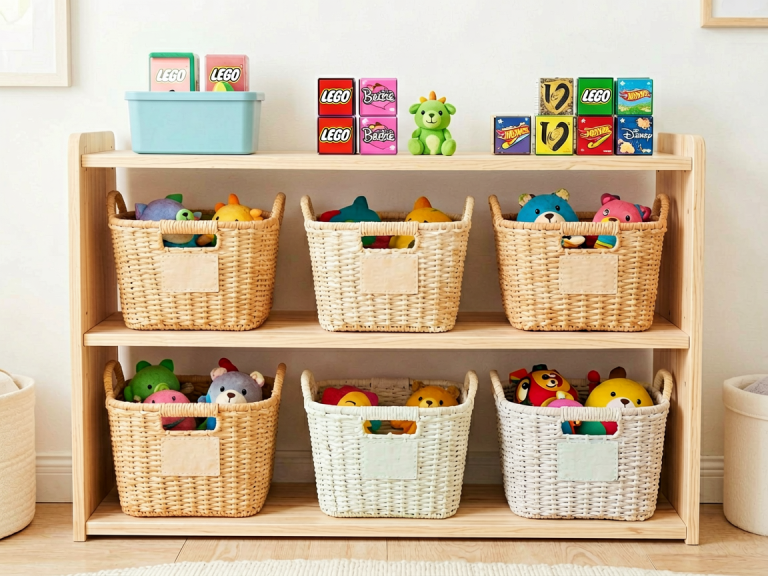
- Set size: For an 18-month-old, a set of 20–40 large blocks is plenty. Too many bricks can overwhelm their attention span. Look for sets that come with a storage bag or box—this teaches cleanup habits.
- Avoid sets with batteries: Battery-operated bricks (light-up or sound-producing) often have small battery compartments that can open during play, posing a chemical or swallowing hazard. If you do choose a light-up brick, ensure the battery is secured by a screwdriver-only compartment.
- Check for compatibility: If you already own LEGO Duplo, you’ll want generic bricks that are fully compatible with the Duplo stud-and-tube system. Most reputable brands are, but some cheap knockoffs use slightly different stud sizes or spacing, causing frustration. Test a single brick before buying a large bundle.
Top Recommendations for 2025
To save you time, here are three solid options that meet all the criteria for an 18-month-old:
- MEGA Bloks First Builders Big Building Bag – 80 large, colorful blocks in a reusable bag. BPA-free, easy to connect and disconnect, and compatible with Duplo. Excellent value.
- Hape Colorful Bead & Block Set – This combines large wooden beads with soft plastic blocks for added texture. Wood blocks are safe (non-toxic paint) and encourage multi-sensory play.
- Play22 Big Building Blocks for Toddlers – A 100-piece set with bricks, wheels, and a storage tub. All pieces are oversized and ASTM-certified. The wheels are large enough not to be a choking hazard. Note: The included string for threading may be a strangulation risk, so remove it for 18-month-olds.
Conclusion: Trust Your Instincts and Your Child
Choosing LEGO-style bricks for an 18-month-old is ultimately about balance: you want a toy that is safe, durable, engaging, and developmentally appropriate. Don’t be swayed by flashy packaging or promises of “advanced” features. The best bricks are simple, chunky, and colorful. Before buying, ask yourself: Can my child hold it easily? Is it too heavy? Could any part come off and go into the mouth? Does it spark curiosity without causing frustration? Remember, at 18 months, play is not about building a masterpiece—it’s about the process of exploring, dropping, chewing, and stacking. So choose well, play alongside your child, and watch those tiny fingers grow stronger and smarter one brick at a time.