A Parent’s Guide to Selecting Safe and Stimulating LEGO-Style Bricks for 1-Year-Olds
Introduction
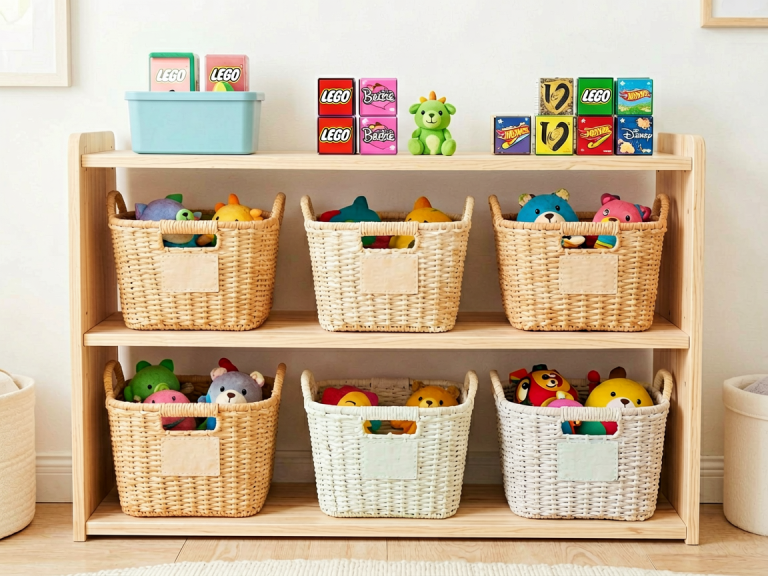
The first year of a child’s life is a whirlwind of sensory exploration, motor development, and burgeoning curiosity. By the time they reach their first birthday, most toddlers are eager to grasp, mouth, bang, and stack anything within reach. LEGO-style building bricks—those colorful, interlocking plastic blocks—can be an excellent tool for nurturing fine motor skills, hand-eye coordination, and early problem-solving. However, choosing the right bricks for a 1-year-old is not as simple as grabbing the first box off the shelf. Standard LEGO bricks are a choking hazard for infants, and even many “junior” sets contain pieces too small or too sharp for this age group. This article provides a comprehensive, evidence-based framework for selecting safe, developmentally appropriate, and engaging LEGO-style bricks for children who have just turned one. We will explore safety standards, material composition, size requirements, educational benefits, cleaning considerations, and recommended product lines, ensuring you make an informed choice that supports your toddler’s growth without compromising safety.
Safety First: Non-Toxic Materials and Choking Hazard Prevention
The paramount concern when choosing any toy for a 1-year-old is safety. At this age, children explore the world primarily through their mouths—a behavior known as oral exploration. Therefore, every brick must be made from non-toxic, BPA-free, phthalate-free, and lead-free materials. Look for certifications such as ASTM F963 (American Standard) or EN71 (European Standard), which indicate that the product has undergone rigorous testing for chemical safety, sharp edges, and small parts.
Choking hazard is another critical issue. According to the U.S. Consumer Product Safety Commission, any toy or part that can fit entirely inside a standard choke test cylinder (approximately 1.25 inches in diameter) is prohibited for children under three years old. For 1-year-olds, even that threshold is too lenient. The ideal brick size should be at least 1.5 inches (about 4 cm) in all dimensions, with no detachable components smaller than a toddler’s fist. LEGO’s own Duplo line, designed for ages 1.5 to 5, meets this criterion, but many third-party “LEGO-style” bricks do not. Always check product descriptions for “large blocks” or “toddler-safe” labels, and avoid sets advertised for ages 3+ or those that include wheels, eyes, or other small accessories that could break off.
Furthermore, examine the brick’s surface for burrs, sharp corners, or rough seams. High-quality injection-molded bricks will have smooth, rounded edges that prevent cuts or scratches. If a brick feels abrasive to your own fingers, it is not suitable for a baby’s delicate skin and gums.
Size Matters: Why Bigger Blocks Are Better for Tiny Hands
A 1-year-old’s fine motor skills are still in the early stages. Their pincer grasp (thumb and forefinger) is developing, but they primarily use a palmar grasp—holding objects by pressing them against the palm with all fingers. Small standard LEGO bricks (the classic 2×2 size is about 0.6 inches) are not only a choking risk but also frustratingly difficult for a toddler to manipulate. Oversized, lightweight blocks, typically measuring 1.5 to 2 inches (4–5 cm) per side, are far more ergonomic. These blocks allow the child to hold them with both hands, stack them without precise alignment, and enjoy immediate success.
The weight of the blocks also matters. Very dense bricks can be heavy for a toddler to lift, leading to frustration or accidental drops on toes. Look for hollow-core or lightweight plastic designs. Many Duplo-compatible brands, such as Mega Bloks First Builders, use a slightly softer, air-injected plastic that is easier to grip and less prone to causing injury when thrown. Additionally, consider the shape variety. For a 1-year-old, stick to basic shapes: cubes, rectangular prisms (2×2 or 2×4 studs), and perhaps a few arches or half-circles. Avoid sets with many specialty pieces like hinges, gears, or minifigures, as these often have small protrusions or moving parts that can pinch tiny fingers.
Material and Durability: Plastic Quality, Softness, and Longevity
Not all plastic is created equal. The best LEGO-style bricks for toddlers are made from high-density polyethylene (HDPE) or polypropylene (PP)—both are food-safe, dishwasher-safe (top rack), and resistant to cracking when dropped. Avoid bricks made from cheap, brittle ABS plastic (common in knock-off “mini” blocks) because they can shatter into sharp shards if stepped on or chewed.
A notable trend in toddler blocks is the rise of “soft” or “flexible” bricks. These are made from thermoplastic elastomer (TPE) or silicone. While they are gentler on gums and less likely to cause injury if thrown, they have a different tactile feel and do not snap together as securely. Some parents prefer them for the earliest stages (12–15 months) because they are easy to clean and fully dishwasher-safe. However, soft bricks may not hold a stack well, which can be disappointing for a child who wants to build a tower. A compromise is to choose a set that combines soft, grippy “base” blocks with standard hard plastic large blocks.
Durability is also key. A 1-year-old will likely throw, drop, and even attempt to bite these bricks. Ensure the plastic does not crack or peel after repeated impact. Read reviews for phrases like “withstood chewing,” “no sharp edges after months of use,” and “colors don’t fade after washing.” The paint or dye should be molded into the plastic, not applied as a coating, to prevent peeling and ingestion.
Educational Value: Encouraging Sensory Play and Early Cognitive Skills
Beyond safety, the best bricks stimulate development. For a 1-year-old, the primary benefits are sensory exploration, cause-and-effect learning, and spatial awareness. Choose bricks with high-contrast colors (red, blue, yellow, green) to attract visual attention. Some sets include textured surfaces—ridges, bumps, or fabric inserts—that offer tactile variety. This is excellent for sensory integration.
Stacking is the first building milestone. A 1-year-old can typically stack two to four blocks by around 18 months, but at 12 months they may only be able to place one block on top of another with help. Therefore, the bricks should be easy to connect and disconnect. The stud-and-tube interlocking mechanism should require light pressure—not so tight that a toddler cannot separate them, and not so loose that they fall apart at a touch. Test this yourself: if you can easily connect two bricks with one hand, the tension is likely appropriate.
Also consider bricks that incorporate simple cause-and-effect features, such as a bell inside a hollow block or a rattle effect when shaken. However, avoid sets with batteries, lights, or sounds—these can overstimulate and distract from pure building play. The goal is to foster open-ended creativity, not passive entertainment.
Ease of Cleaning: Hygiene Considerations for Mouthing Toys
Let’s face it: bricks that go into a toddler’s mouth will quickly become slimy, dirty, and covered in bacteria. It is essential to choose bricks that are easy to sanitize. Hard plastic bricks can be washed in warm, soapy water or placed in a mesh laundry bag and run through the dishwasher’s top rack (avoid high heat settings that might warp the plastic). Soft silicone bricks are also dishwasher-safe. Avoid bricks with fabric or felt parts—they absorb moisture and are difficult to fully disinfect.
Additionally, consider the shape of the block. Bricks with deep crevices, holes, or internal cavities can trap saliva and food particles, leading to mold growth over time. Simple, solid shapes are best. If you buy used bricks, clean them thoroughly before letting your child play. A mixture of white vinegar and water (1:1) is a safe, non-toxic disinfectant for plastic toys.
Recommended Products and Brands: What to Look For
While the term “LEGO-style bricks” encompasses many brands, not all are suitable for 1-year-olds. Here are some highly recommended options that meet the criteria outlined above:
- LEGO Duplo (Classic Bricks sets, ages 1½+) – The gold standard. While officially recommended from 18 months, many parents start at 12 months under supervision. The bricks are large (2×2 Duplo is about 1.6 inches), made from durable ABS plastic, and tested to strict safety standards. Opt for the “My First” series, which features fewer small accessories.
- Mega Bloks First Builders – Specifically designed for ages 1–5. These blocks are slightly larger and lighter than Duplo, with a softer feel. The “Big Building Bag” is a great starter set.
- Meland Toddler Blocks – A popular budget alternative. These come in a storage bucket and are made from BPA-free, non-toxic plastic. The blocks are large and connect easily. However, check for quality control—some batches may have rough edges.
- B.Toys B. One Two Three Blocks – Textured, colorful blocks made from recycled plastic. They are slightly smaller than Duplo but still safe for 12-month-olds if supervised. The set includes sensory bumps and patterns.
- Lovevery Block Set – Part of the Montessori-inspired Lovevery play kits. These are wooden, not plastic, but they are large and smooth. They offer a different building experience and are excellent for stacking. Wooden blocks do not interlock, so they require a different skill set.
When purchasing, avoid “no-name” brands from discount online marketplaces. These often use recycled or unknown plastics that may contain heavy metals. Stick to reputable toy manufacturers with transparent safety certifications.
Conclusion: Balancing Safety, Development, and Joy
Choosing LEGO-style bricks for a 1-year-old is a rewarding process that requires careful attention to size, material, and safety features. The ideal set should feature large, lightweight, non-toxic bricks with smooth edges, easy connectivity, and simple shapes. Brands like Duplo and Mega Bloks First Builders set the industry standard, but many well-reviewed alternatives exist. Remember that supervision is crucial—even the safest bricks can become a hazard if a child manages to break off a small piece or decides to gnaw on one for an extended period.
Ultimately, the best bricks are those that spark joy, curiosity, and a sense of accomplishment. Watching your toddler’s face light up as they successfully stack two blocks for the first time is a milestone worth celebrating. By investing a little time in research upfront, you can provide a safe, stimulating, and long-lasting building experience that lays the foundation for future learning. Happy building!
*(Word count: approximately 1,240 words)*