Should You Buy LEGO Style Bricks for an 18-Month-Old? A Parents Guide to Safe Play
As your baby approaches 18 months, you may be browsing toy aisles and wondering which items will stimulate their growing curiosity. LEGO style bricks—those colorful, interlocking plastic blocks—often catch parents’ eyes. They promise creativity, fine motor skill development, and hours of quiet play. But are they suitable for a toddler who is still exploring the world mouth-first? This article will help you weigh the pros and cons, examine safety risks, and offer practical advice so you can make an informed decision for your one-and-a-half-year-old.
Understanding the Developmental Stage of an 18-Month-Old
At 18 months, children are in a period of rapid physical, cognitive, and emotional growth. They are typically walking independently, climbing onto low furniture, and using their hands to manipulate objects with increasing precision. However, their impulse control remains minimal. The mouth is still a primary tool for exploration—toddlers of this age will put almost anything in their mouths, from toy wheels to remote controls. Their fine motor skills are developing: they can stack two or three blocks, scribble with crayons, and turn the pages of a board book. But they cannot yet coordinate tiny pieces with ease. Moreover, their attention span is short; they flit from one activity to another within minutes. Any toy introduced at this stage must be safe, durable, and forgiving of rough handling.
The Appeal of LEGO Style Bricks: Why Parents Consider Them
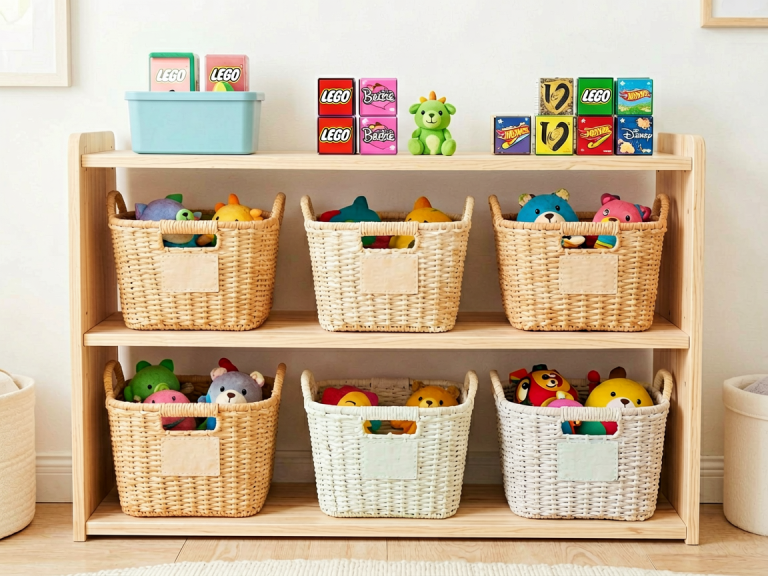
LEGO style bricks, or generic compatible bricks, are marketed as open-ended building toys that foster creativity, problem-solving, and spatial reasoning. For older children, they are excellent. But for an 18-month-old, the appeal is often more about parental nostalgia than developmental appropriateness. Many parents remember their own childhood joy with LEGO and want to share that experience early. The bright colors and satisfying click of interlocking bricks can be captivating even for a toddler. However, the classic LEGO brick—approximately 1.5 cm in length, with sharp corners and a small diameter—poses significant risks for this age group.
Safety Concerns: Choking Hazards and Material Safety
The most pressing concern with LEGO style bricks for an 18-month-old is choking hazard. Standard LEGO bricks and many generic mini-bricks are small enough to become lodged in a toddler’s airway. The American Academy of Pediatrics recommends that children under 3 years should not play with toys that have parts small enough to fit inside a toilet paper tube (or a standard choke-test cylinder). Most LEGO bricks easily pass this test. Even if your child is not actively mouthing objects, they may accidentally drop a brick and then pop it into their mouth out of habit. In addition, the sharp edges of some generic bricks can cause cuts or bruises when thrown or stepped on. Another concern is material quality: low-cost imitations may contain harmful chemicals such as phthalates or lead. While reputable brands (including LEGO itself) adhere to strict safety standards, many unbranded "LEGO style" bricks sold online may not. For an 18-month-old, you cannot risk toxic materials being chewed.
Are There Age-Appropriate Alternatives? The Duplo Solution
Fortunately, there is a product line that bridges the gap between safety and building fun: LEGO Duplo. Duplo bricks are twice the size of standard LEGO bricks—about 3 cm long. They are designed specifically for toddlers aged 18 months to 5 years. Duplo bricks are too large to fit into a choke tube, and they often have rounded edges. They are made from the same high-quality, non-toxic ABS plastic as standard LEGO, and they are easy for small hands to grasp, stack, and pull apart. Duplo sets typically include figures, animals, and simple vehicles that spark imaginative play without overwhelming a toddler. Because Duplo bricks are compatible with standard LEGO (they interlock with the larger studs), you can later incorporate them into bigger creations as your child grows. If you want the "LEGO style" experience for your 18-month-old, Duplo is the safe, recommended choice. Many generic brands also produce "large building blocks" that mimic Duplo’s dimensions—again, check for safety certifications.
The Benefits of Building Blocks for 18-Month-Olds (When Age-Appropriate)
If you choose large blocks like Duplo, the benefits are real. Building activities support:
- Fine motor development: Picking up, aligning, and pressing blocks strengthens the small muscles in hands and fingers.
- Hand-eye coordination: Toddlers learn to line up studs and place bricks accurately.
- Cognitive skills: Cause and effect (push a block, it stays; push harder, it may fall), problem-solving (how to make a tower taller), and spatial awareness.
- Language development: While building, parents can narrate actions (“You put the red block on top!”), introduce colors and shapes, and encourage turn-taking.
- Creativity: Even simple stacking allows toddlers to make choices about which colors to use or how high to go.
For an 18-month-old, the process is more important than the end product. They will enjoy knocking down towers as much as building them—and that is perfectly fine.
Recommendations for Parents: What to Buy and What to Avoid
Given the evidence, here is a clear set of guidelines:
- Do not buy standard LEGO bricks or generic mini-bricks for an 18-month-old. Even with constant supervision, the risk of choking or injury is too high. Many parents mistakenly believe that “supervision” prevents accidents, but a toddler can grab and swallow a piece in a split second while you turn to answer the phone.
- Do buy Duplo blocks or large-block alternatives that are explicitly labeled for ages 1½+. Look for sets with 20–30 pieces—fewer is better at this age to avoid overwhelming the child. Avoid sets with tiny accessories (e.g., small flowers, tiny wheels) that may be separate from the bricks.
- Check for safety certifications: Ensure the blocks are ASTM (American Society for Testing and Materials) or EN71 (European standard) certified. Avoid products with a strong chemical smell or rough edges.
- Introduce building time as a shared activity: Sit with your toddler and model how to stack two blocks. Let them explore freely. Praise their efforts even if the tower falls after one block. Never force them to build “correctly.”
- Be prepared for mouthing: Even large blocks may be chewed. Wash them regularly with warm soapy water. Avoid second-hand Duplo that may be chipped or damaged.
- Store blocks safely after play: For a toddler, all blocks should be kept in a closed container out of reach to prevent unsupervised access. As your child grows, you can gradually introduce smaller bricks around age 3 or 4.
Conclusion: The Verdict
To answer the question directly: No, you should not buy LEGO style bricks (the standard small size) for an 18-month-old. The choking hazard and potential for toxic materials far outweigh any developmental benefits. However, the concept of building blocks is excellent. Invest in Duplo or other large, toddler-safe building sets instead. They provide all the advantages of creative construction—fine motor skills, cognitive growth, and shared family fun—without the danger. As your child matures into preschool age, you can transition to standard LEGO bricks and watch their building skills flourish. For now, keep the tiny bricks on the shelf and let your little one explore big blocks in a safe, joyful way. Your peace of mind is worth more than any premature lesson in engineering.