Should You Buy Engineering Kits for Babies? A Balanced Look
Introduction
Walking through a modern toy store, you will likely encounter shelves labeled with bold promises: “STEM for Tots,” “Baby Engineer Kit,” or “First Building Blocks for Future Architects.” These products are part of a growing market that aims to introduce infants and toddlers to science, technology, engineering, and mathematics. The pitch is compelling: give your baby an early head start in problem-solving, spatial reasoning, and creativity. But before you reach for your wallet, a fair question deserves a careful answer: should you actually buy engineering kits for babies? This article explores what these kits really offer, weighs their potential benefits against their risks and limitations, and suggests alternative ways to support early development.
What Are Engineering Kits for Babies?
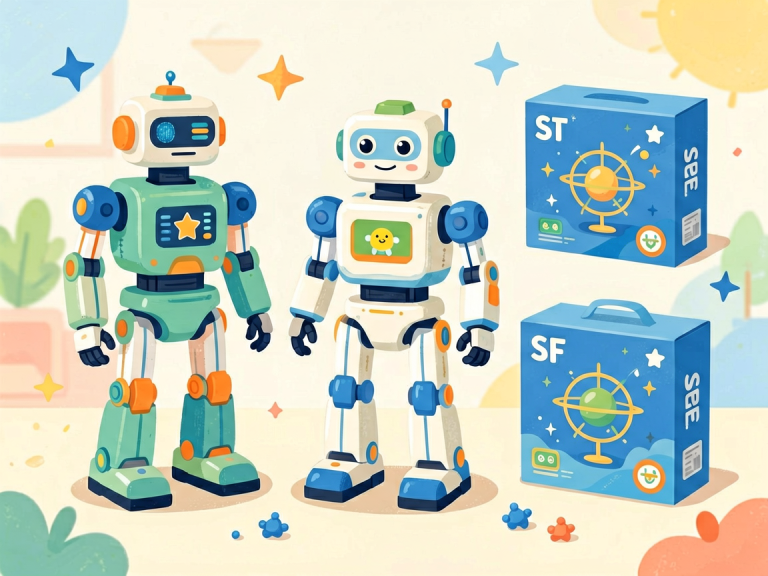
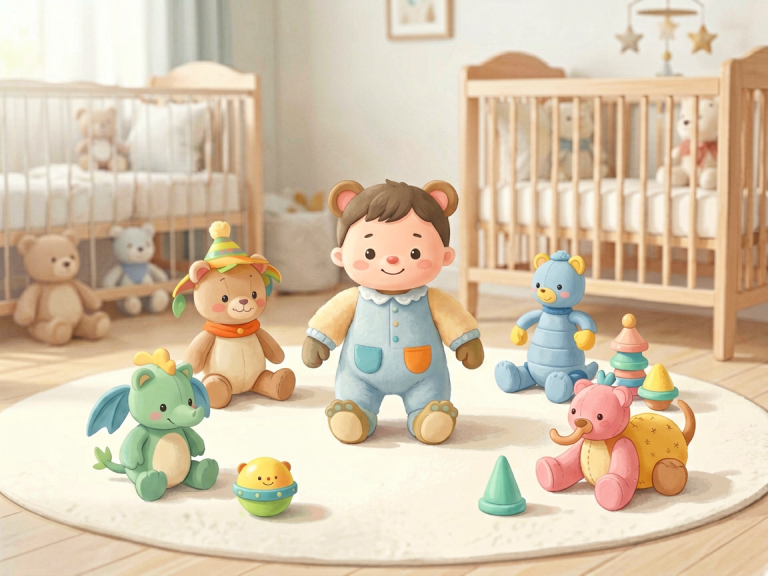
Engineering kits for babies are not, of course, miniature circuit boards or tiny cranes. In most cases, they are colorful, soft, or oversized sets of interlocking blocks, stackable rings, magnetic shapes, or simple gears that can be manipulated by small hands. Some kits include balls that roll down ramps, pop-up components, or shape sorters designed to illustrate basic cause-and-effect relationships. Unlike traditional construction toys meant for older children, these baby-version kits prioritize safety: no sharp edges, no small detachable pieces, and materials that are non-toxic and chewable. The underlying idea is that by allowing infants to explore, stack, and knock down structures, they will begin to grasp foundational engineering concepts like balance, force, and stability long before they can speak the words.
The Potential Benefits
Advocates for engineering kits often point to several genuine advantages. First, these toys encourage active, hands-on exploration. At an age when babies learn primarily through their senses, manipulating objects helps them build neural connections. Picking up a block, testing how it feels, and discovering that it falls when placed at an angle are all rich sensory experiences. Second, such kits can nurture spatial awareness. Rolling a ball through a tube or fitting a triangle into a triangular hole teaches infants about shape, size, and position in physical space. Third, these toys may foster persistence and curiosity. When a tower tumbles, a baby observes the result; with adult encouragement, they may try again. That loop of action, failure, and repetition is a crude but powerful precursor to the engineering design process.
Moreover, engineering kits can create meaningful moments of shared attention between caregiver and child. Sitting on the floor, stacking blocks together, and narrating what is happening (“The red block is on top, now it fell!”) supports language development and emotional bonding. The social context of play often matters more than the toy itself. In a world dominated by passive screens, a physical kit invites real-time interaction and conversation, which are critical for early cognitive growth.
The Risks and Limitations
Despite these appealing benefits, there are important concerns. The most obvious is developmental readiness. Most engineering kits for babies are marketed for ages six months to two years, but a six-month-old’s motor skills and a two-year-old’s abilities are vastly different. A kit that is too advanced can frustrate an infant, leading to tears or disinterest. Conversely, a kit that is too simple may bore a toddler. Finding the exact “just right” level is difficult, and many packaging labels overstate the age range.
Another risk is the potential for overstimulation. Many baby engineering kits come with loud beeping sounds, flashing lights, and dozens of pieces. While these features are designed to attract attention, they can overwhelm an immature nervous system. Babies learn best in calm, orderly environments where they can focus on one aspect at a time. A noisy, chaotic kit may actually reduce deep concentration rather than enhance it.
Safety is another crucial limitation. Even when marketed as safe, any kit with multiple parts requires vigilant supervision. Babies mouth everything, and a piece that breaks loose could become a choking hazard. Magnets, in particular, are dangerous if swallowed, so kits containing magnetic components are best reserved for older children. Furthermore, some cheaply made toys contain phthalates or BPA in their plastics. Parents must carefully research materials and certifications, which adds time and effort to a purchase that might not even be necessary.
A subtler drawback is the “educational” pressure these kits place on parents and babies. When a toy is labeled as an engineering tool, caregivers may feel compelled to structure play around intended outcomes, correcting the baby or pushing them to build “correctly.” Such pressure undermines the natural, open-ended play that is truly developmentally beneficial. Babies do not need a curriculum; they need freedom to experiment without performance expectations. The irony is that a simple cardboard box or a set of wooden spoons can offer more authentic engineering insights than a glossy, overpriced kit.
Age-Appropriate Alternatives
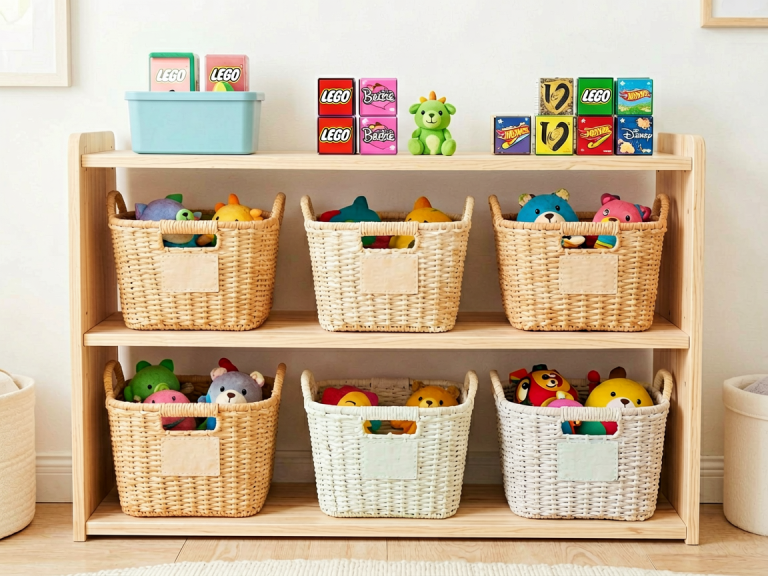
If you are wondering whether to buy an engineering kit for your baby, consider what everyday items can already provide. Household objects like plastic cups, empty containers, soft balls, and stackable bowls are excellent for exploring balance, gravity, and spatial relationships. These are free, safe, and infinitely adaptable. You can also create a simple “ramp” using a piece of cardboard and roll cars or balls down it. That basic activity teaches cause and effect and trajectory far more effectively than most commercial kits.
If you do want to purchase something, look for simple, high-quality sets that emphasize open-ended play. Classic wooden blocks, large interlocking bricks designed for toddlers, and nesting cups rank among the best options. These toys are not marketed specifically as “engineering kits,” but they support the very same cognitive skills. They also tend to last longer and can be used in different ways as your child grows. Another excellent choice is a set of chunky, non-toxic gears that snap onto a base plate; these are engaging for older toddlers (around 18 months and up) and clearly demonstrate mechanical connections.
The most important “engineering kit” for a baby is a responsive caregiver. When you narrate your actions, ask simple questions (“Where did the ball go?”), and allow your child to lead the play, you are building a powerful foundation for future problem-solving. Your voice and presence are more valuable than any plastic gadget.
Making an Informed Choice
So, should you buy engineering kits for babies? The answer is: not necessarily, and certainly not as a must-have. If a particular kit is simple, safe, and genuinely fascinating to your child, and if you can afford it without strain, then buy it with realistic expectations. Use it as a tool for shared play, not as a structured lesson. Observe your baby’s reactions; if they show sustained interest and joy, great. If they prefer the box it came in, do not be surprised. Their natural curiosity will guide them to whatever objects offer the richest opportunities for exploration.
On the other hand, if the purchase is driven by anxiety about falling behind or by clever marketing, skip it. Your baby will not be at a disadvantage because they never owned a “STEM baby toy.” They will benefit far more from time outdoors, simple sensory bins (like a bowl of water with safe cups), and your undivided attention. Scientific thinking emerges from everyday experiences: splashing in the bath, dropping a spoon from the highchair, stacking pillows on the couch. These are the true engineering kits of infancy.
Conclusion
The question “Should I buy engineering kits for babies?” does not have a single yes-or-no answer. It depends on the kit, the baby, and the parent’s approach. The best toys are those that respect a child’s developmental pace, invite curiosity, and spark joyful interaction. Engineering kits for babies can occasionally meet those criteria, but they are by no means essential. As a parent or gift-giver, your greatest contribution is not the toy itself but the intention and attention you bring to play. Choose wisely, play gently, and remember that every child is born an engineer of their own world—whether or not they ever touch a commercial building set.